 Sewing Techniques
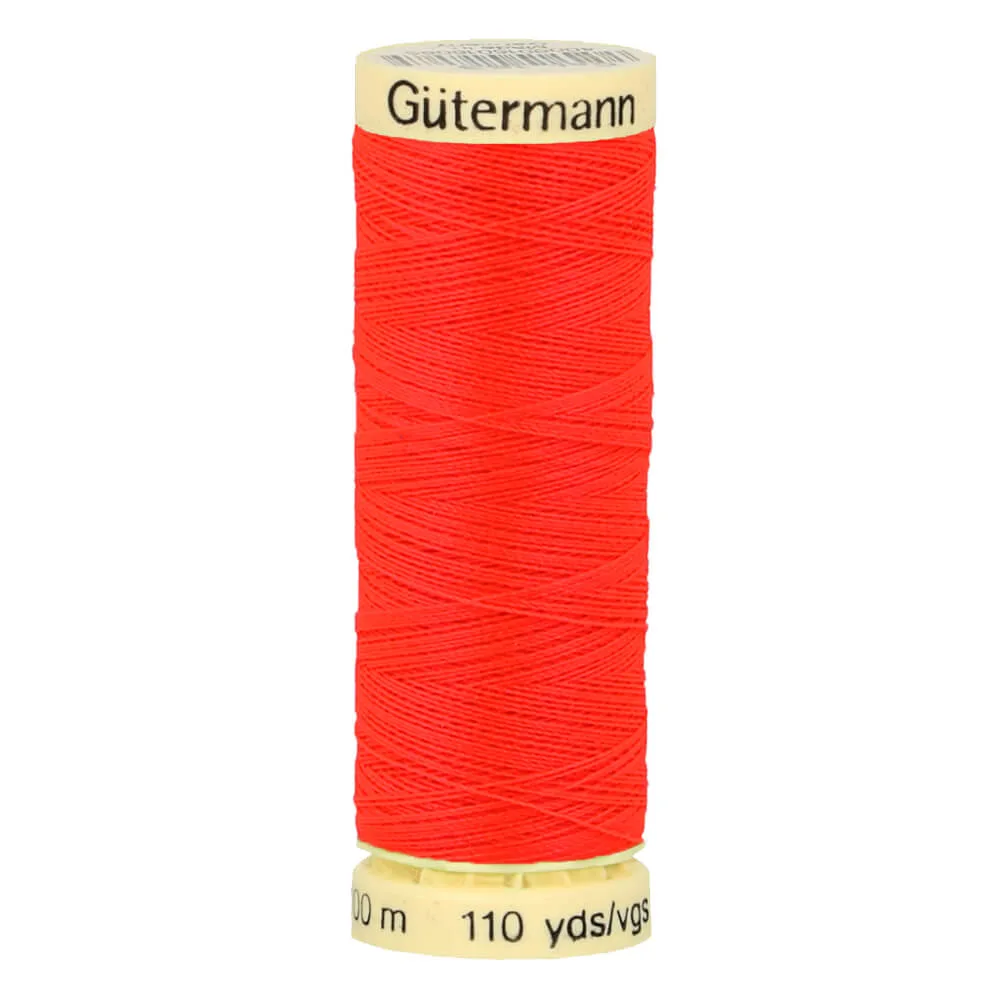
Thread, Orange
Item no. 25626
€3.10per piece
incl. VAT, plus shipping
Thread in Orange, made from 100 % polyester. Suiting hand sewing alongside machine work. Upper alongside lower threads should match. Choose a shade slightly darker than your cloth.
in stock
Delivery time approx. 3–5 working days
Free shipping within Germany from €50
- Material
- 100 % Polyester
- Colour
- Orange
- Care
 Wash at 30°C
 Do not iron
 Wash without fabric softener or bleach
 Do not tumble dry
- Farbcode
- 3733
Description
Thread holds a seam together, being that part giving way first once it fails to suit its cloth — too fine tears, too coarse cuts into weave. Thread in Orange belongs among such accessories.
Upper alongside lower threads should come from one same spool type. Different threads stretch differently, which shows across stitching as restless seams, before showing up as tension trouble.
On colour, one rule holds: a shade darker than cloth reads calmer than a shade lighter. Caught between two tones, lay a single strand across your fabric, stepping back once. Stored dry, away from light, thread stays sound across years.
What Thread, Orange is suitable for
- Seams across clothing, bags plus home textiles.
- Hand work where thread stays visible.
- Sewing rooms keeping common shades in stock.
Care instructions:
Frequently asked questions
Which colour should I choose?
A shade darker than your cloth, reading calmer than a shade lighter. Caught between two tones, lay one strand across that fabric, stepping back — close up, impressions deceive.
Must upper plus lower threads match?
Ideally yes. Different threads stretch differently, showing across stitching as restless seams. Wanting certainty, wind your bobbin from that very same spool.
How long does thread last?
Stored dry, away from light, across years. Old spools left sitting in sunlight turn brittle instead, snapping while threaded — something noticed only once seams open later.
Why does my thread keep snapping?
Usually through tension, a blunt needle, or thread catching somewhere along its path. Change that needle first, check its route second, adjusting tension only last.