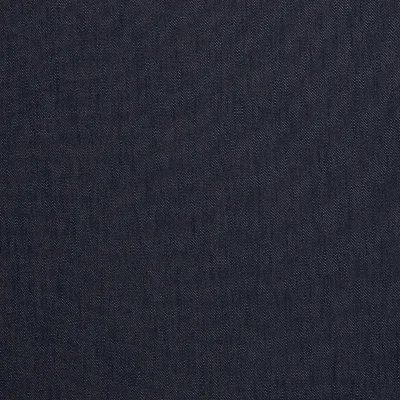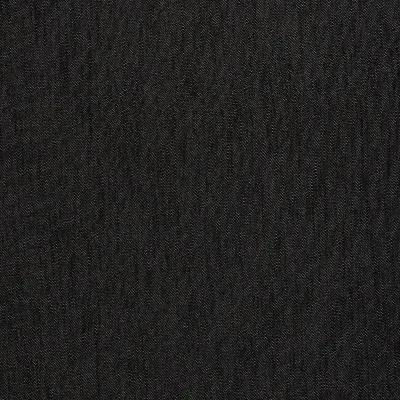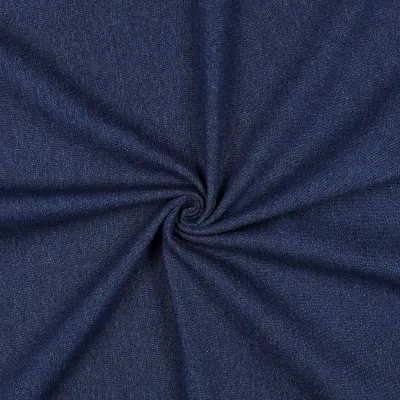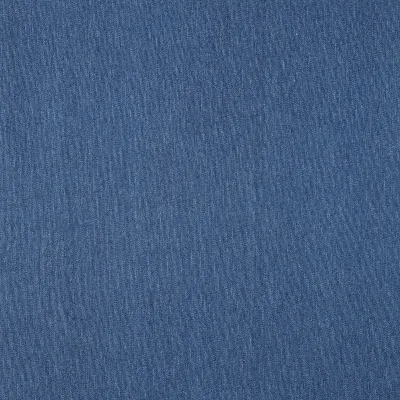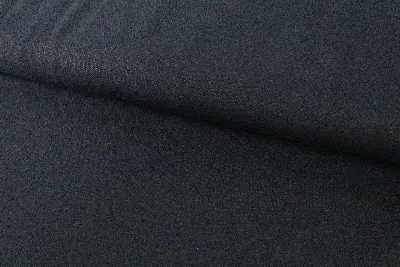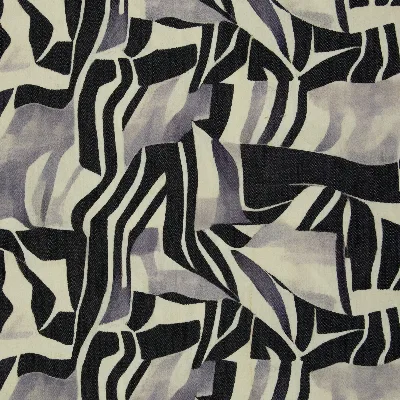
Denim Abstract in Black/Grey Tones
€9.45per 0.5 m
Unit price €18.90 / m
Free shipping within Germany from €50 · Pay securely with PayPal and Klarna

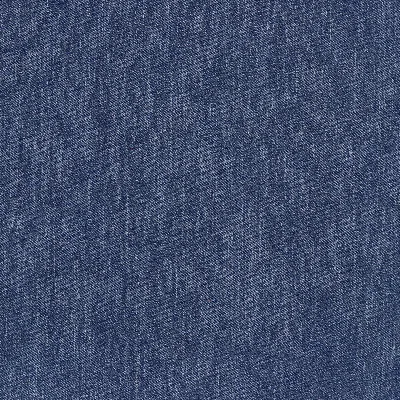
Denim is woven in a twill, which you can see in the fine diagonal lines. This weave makes the fabric hard wearing and lets it mould to the body over time. Typical projects are trousers, jackets, skirts and bags.
€9.45per 0.5 m
Unit price €18.90 / m
€8.95per 0.5 m
Unit price €17.90 / m
€8.95per 0.5 m
Unit price €17.90 / m
€7.95per 0.5 m
Unit price €15.90 / m
€6.45per 0.5 m
Unit price €12.90 / m
€6.95per 0.5 m
Unit price €13.90 / m
€7.95per 0.5 m
Unit price €15.90 / m
€7.95per 0.5 m
Unit price €15.90 / m
€6.95per 0.5 m
Unit price €13.90 / m
Classic denim is heavier and stiffer, while modern qualities often contain a little elastane and give way as you wear them. For trousers that is comfortable because the fabric moves with you; for bags and skirts the firm version without stretch is the better choice.
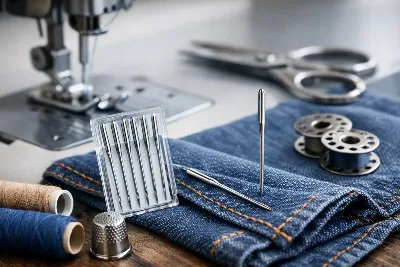
For sewing you need a denim needle: its strong point goes through several layers without breaking. At bulky spots, where the waistband meets the side seam for instance, a height compensation tool under the presser foot helps. Use strong thread and secure stress points with a bar tack.
A denim needle, usually size 90 or 100. It has a particularly sturdy point and goes through several layers without bending. Universal needles break more easily or skip stitches in this fabric.
Dark denim releases some dye at first, which is normal. Wash the fabric separately before cutting, then less colour transfers later onto light furniture or other garments.
A small proportion of elastane makes the fabric stretchy without losing its shape. Trousers fit more comfortably as a result. Make sure your pattern allows for that stretch, otherwise the garment turns out too loose.