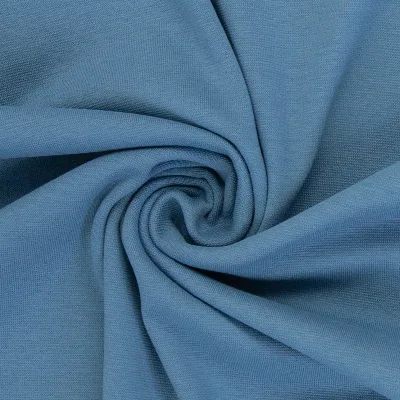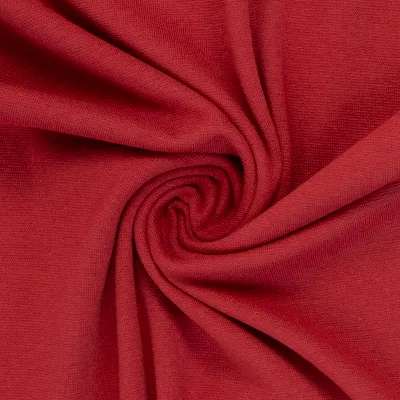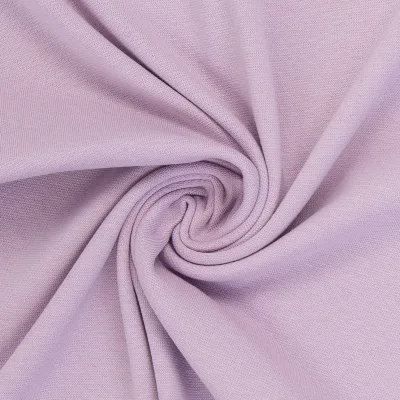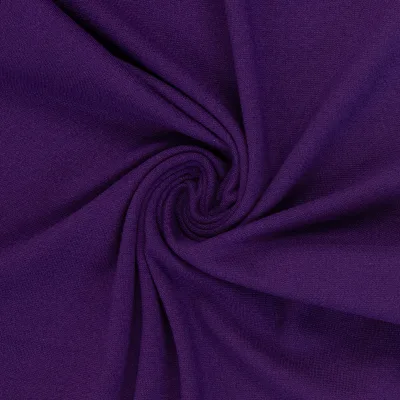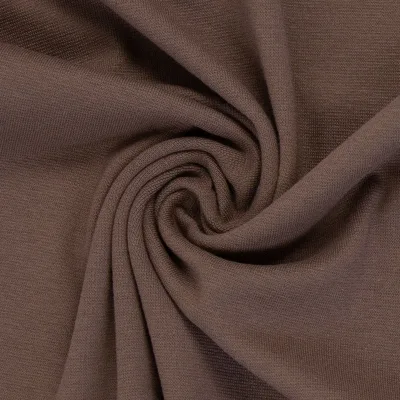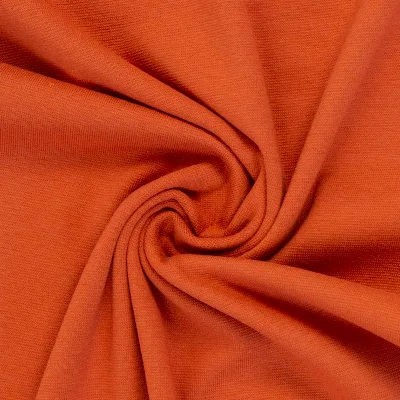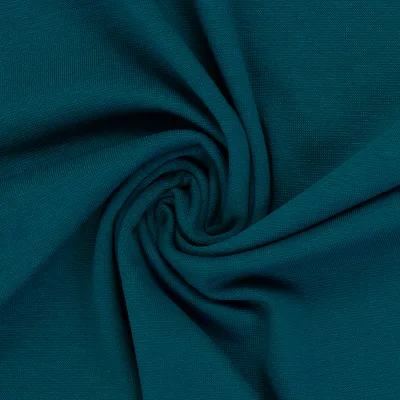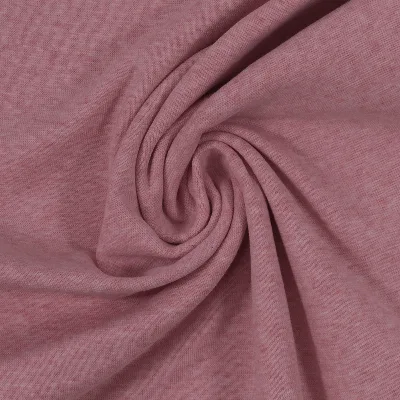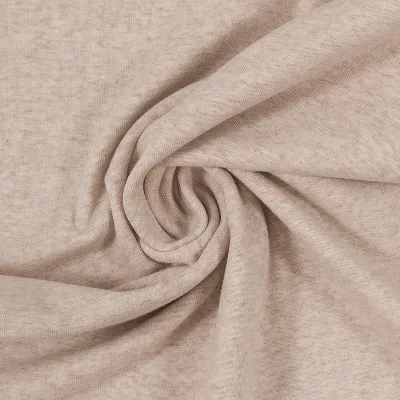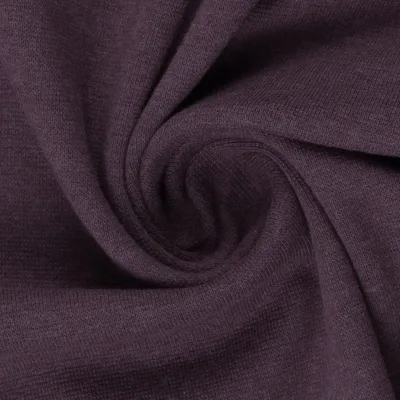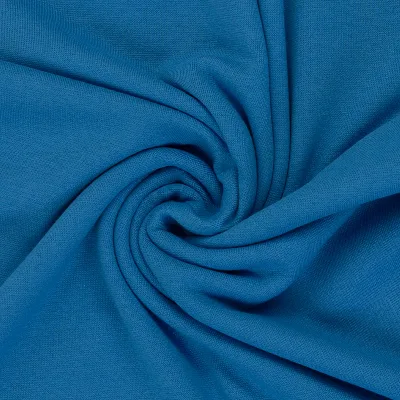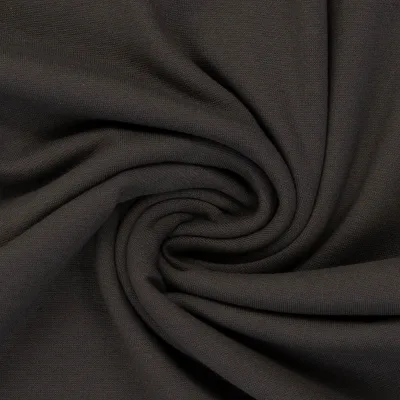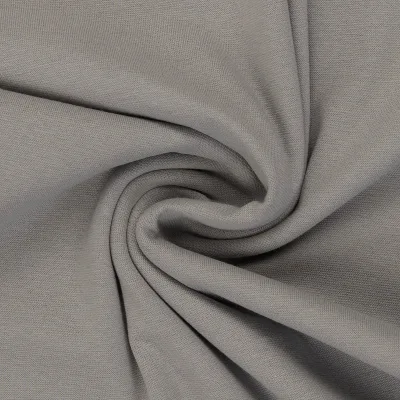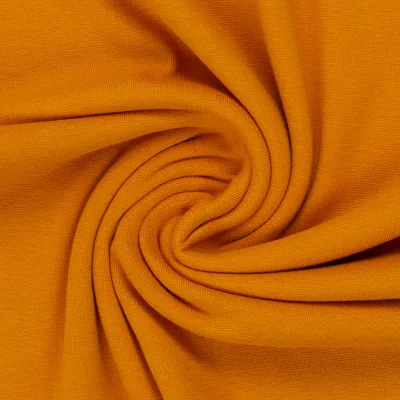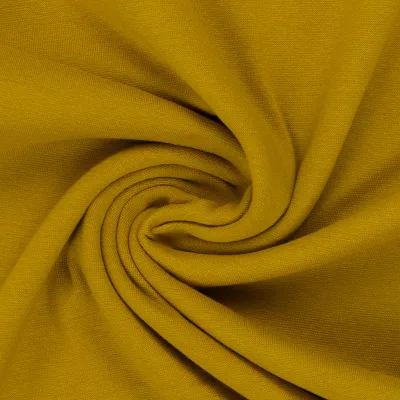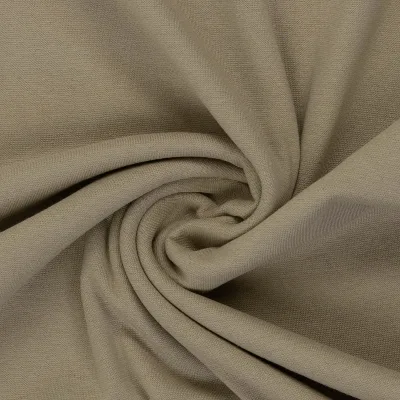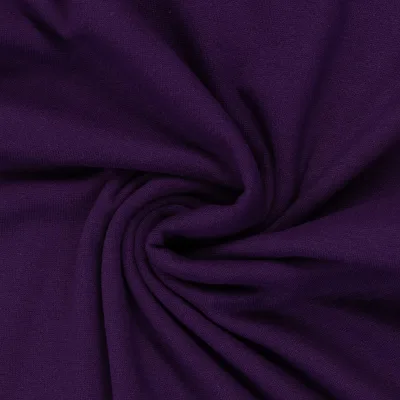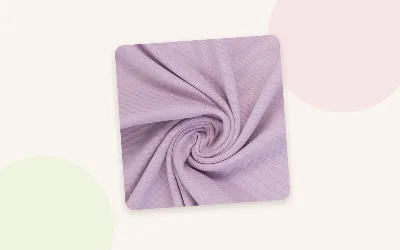

Swafing Heike Fine Rib Ribbing Naturweiß 009
€4.75per 0.5 m
Unit price €9.50 / m
Free shipping within Germany from €50 · Pay securely with PayPal and Klarna

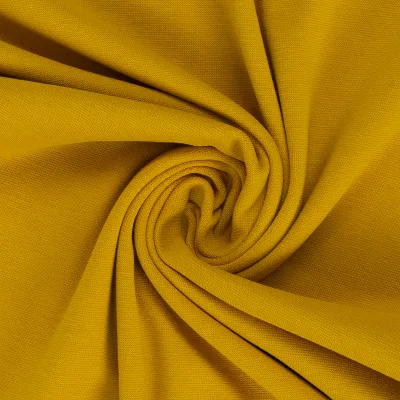
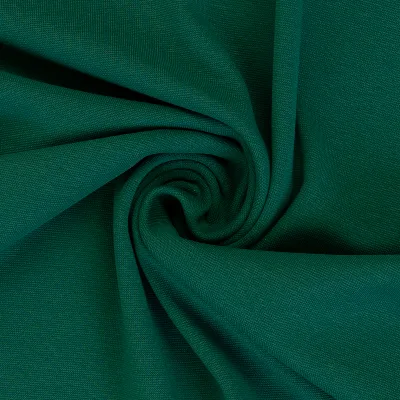
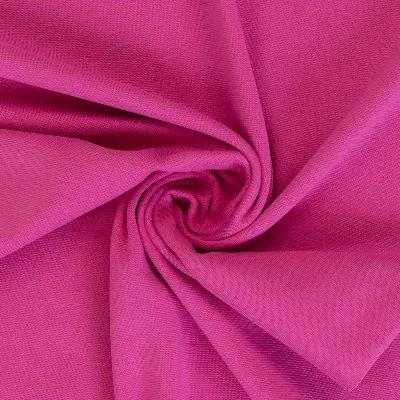
Cuffing provides the elastic finish at sleeves, hems and necklines. It stretches considerably more than the main fabric and always pulls back together again. Here you will find fine rib, coarse rib and chunky knit, plain and striped.
€4.75per 0.5 m
Unit price €9.50 / m
€4.75per 0.5 m
Unit price €9.50 / m
€4.75per 0.5 m
Unit price €9.50 / m
€4.75per 0.5 m
Unit price €9.50 / m
€4.75per 0.5 m
Unit price €9.50 / m
€4.75per 0.5 m
Unit price €9.50 / m
€4.75per 0.5 m
Unit price €9.50 / m
€4.75per 0.5 m
Unit price €9.50 / m
€6.25per 0.5 m
Unit price €12.50 / m
€4.75per 0.5 m
Unit price €9.50 / m
€6.25per 0.5 m
Unit price €12.50 / m
€4.75per 0.5 m
Unit price €9.50 / m
€4.75per 0.5 m
Unit price €9.50 / m
€6.25per 0.5 m
Unit price €12.50 / m
€6.25per 0.5 m
Unit price €12.50 / m
€4.75per 0.5 m
Unit price €9.50 / m
€4.75per 0.5 m
Unit price €9.50 / m
€4.75per 0.5 m
Unit price €9.50 / m
€4.75per 0.5 m
Unit price €9.50 / m
€4.75per 0.5 m
Unit price €9.50 / m
€4.75per 0.5 m
Unit price €9.50 / m
€4.75per 0.5 m
Unit price €9.50 / m
€4.75per 0.5 m
Unit price €9.50 / m
€4.75per 0.5 m
Unit price €9.50 / m
Cuffing is knitted so that raised and recessed ribs alternate. This structure works like a concertina: the fabric gives way strongly and then returns to its original shape. That is why a sleeve cuff stays snug even though a hand fits through it.
Fine rib is the most common type and suits shirts, jumpers and children's clothes. Coarse rib shows wider ribs and feels sturdier, ideal for waistbands and wide finishes. Chunky knit is the thickest and is often used for jackets and cardigans where the cuff is a visible part of the design.
Cuffing is cut shorter than the opening it is sewn to, otherwise it hangs loose. As a rule of thumb it is noticeably shorter than the edge and is stretched evenly while being attached. How much exactly depends on the elasticity and is stated in the sewing pattern.
The sewing pattern gives the length, because it depends on how elastic the cuffing is. In principle the cuff is cut shorter than the opening and stretched while sewing, so that it sits snugly afterwards and does not go slack.
Fine rib has narrow, densely spaced ribs and lies close to the body – the classic choice for sleeves and necklines. Coarse rib shows wider ribs, feels firmer and keeps wide cuffs and waistbands in shape.
Only to a limited extent. Jersey does stretch but it does not recover as strongly. A sleeve would go slack after a few hours of wear. For clean finishes proper cuffing is the better choice.