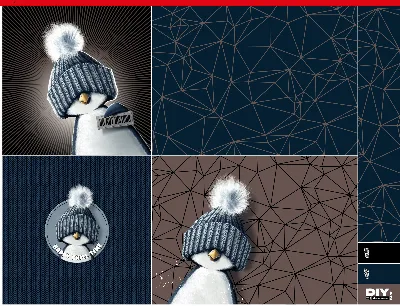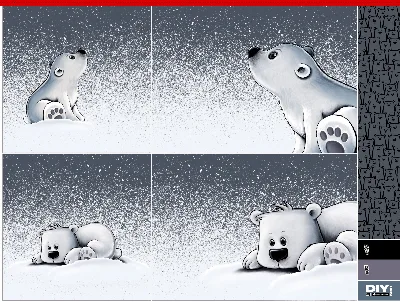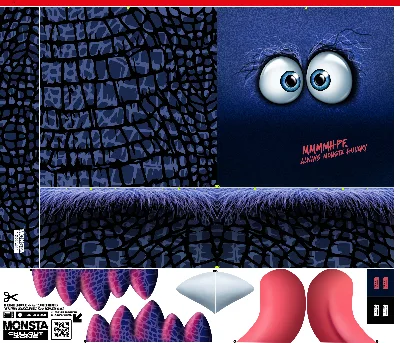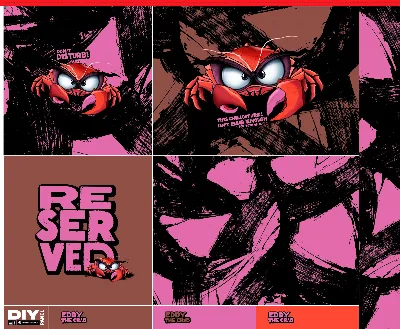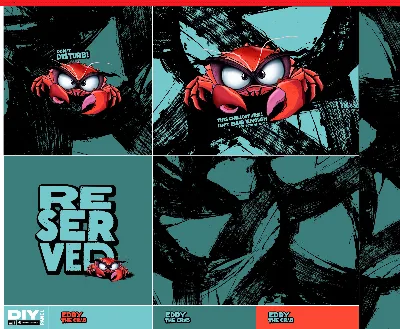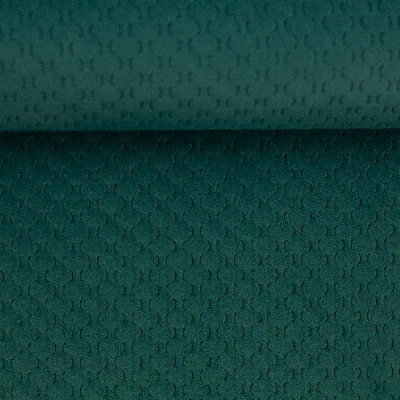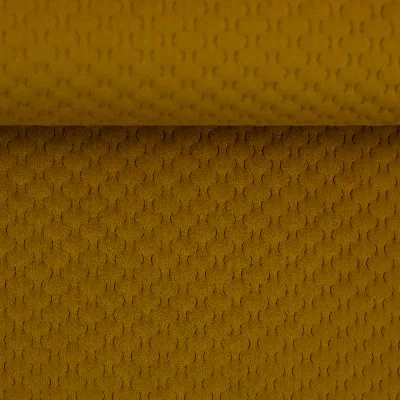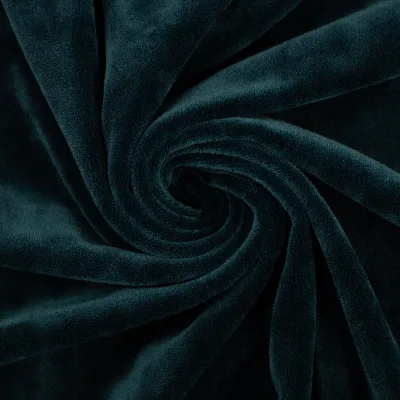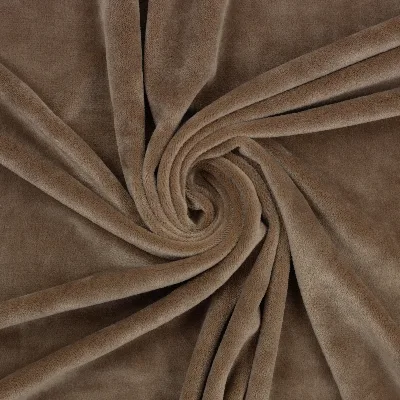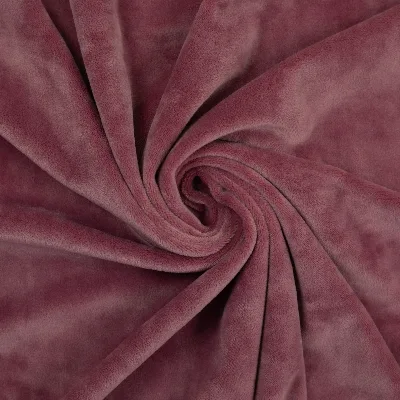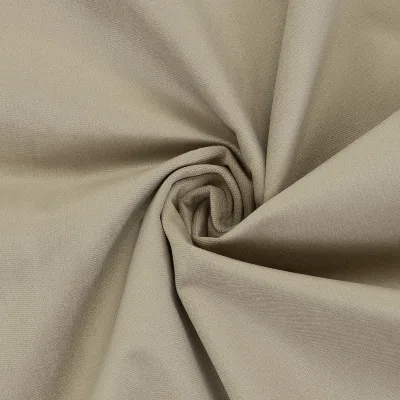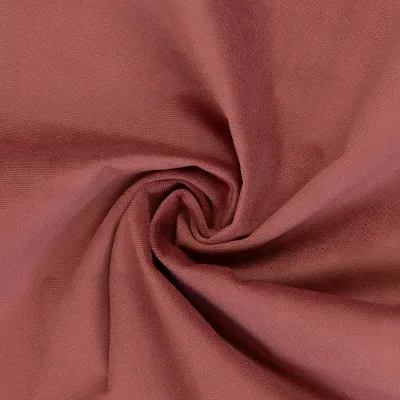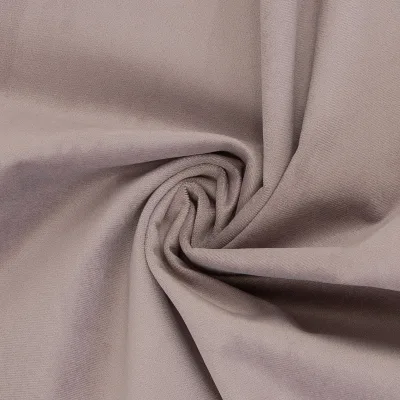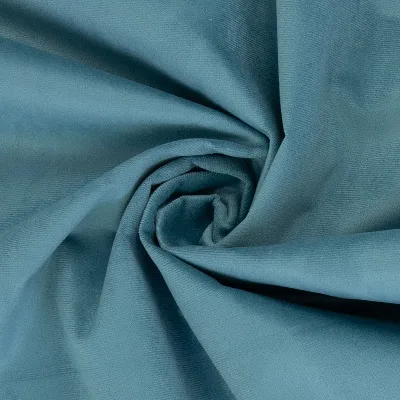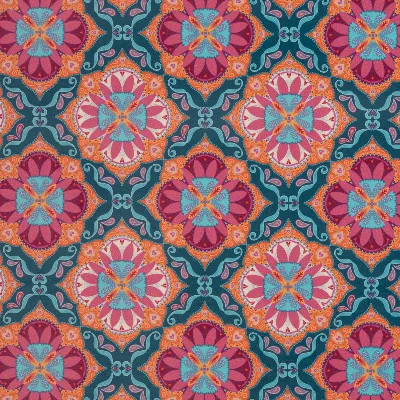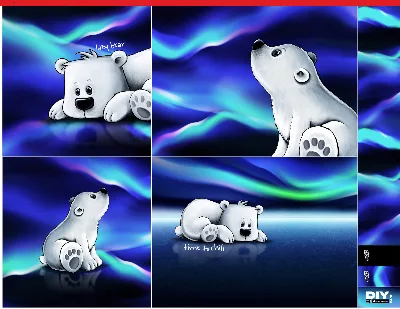
Velvet Chenille Cushion Panel Polar Bear Aurora
€19.90per piece
Free shipping within Germany from €50 · Pay securely with PayPal and Klarna

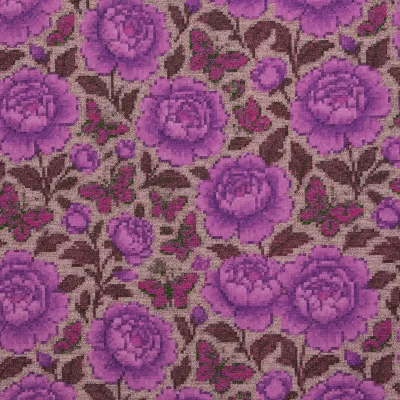
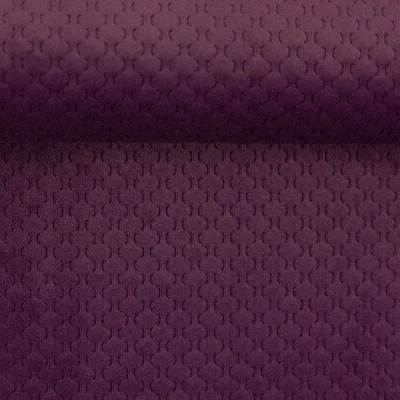
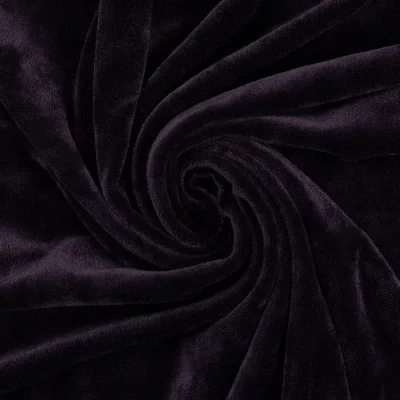
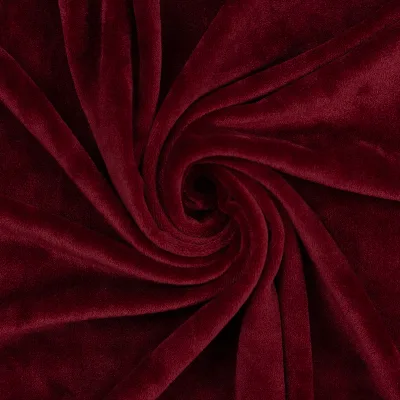
Velvet is recognised by its dense, short pile that reflects light softly. Classic velvet is firmer and heavier, while panne velvet is thin and flowing because the pile has been pressed in one direction. Both look festive.
€19.90per piece
€19.90per piece
€19.90per piece
€19.90per piece
€8.95per 0.5 m
Unit price €17.90 / m
€25.00per piece
Unit price €21.74 / m
€20.90per piece
Unit price €18.17 / m
€20.90per piece
Unit price €18.17 / m
€20.90per piece
Unit price €18.17 / m
€8.95per 0.5 m
Unit price €17.90 / m
€8.45per 0.5 m
Unit price €16.90 / m
€8.45per 0.5 m
Unit price €16.90 / m
€8.45per 0.5 m
Unit price €16.90 / m
€6.45per 0.5 m
Unit price €12.90 / m
€6.45per 0.5 m
Unit price €12.90 / m
€6.45per 0.5 m
Unit price €12.90 / m
€6.45per 0.5 m
Unit price €12.90 / m
€6.45per 0.5 m
Unit price €12.90 / m
€6.45per 0.5 m
Unit price €12.90 / m
€7.95per 0.5 m
Unit price €15.90 / m
€7.95per 0.5 m
Unit price €15.90 / m
€7.95per 0.5 m
Unit price €15.90 / m
€7.95per 0.5 m
Unit price €15.90 / m
€8.95per 0.5 m
Unit price €17.90 / m
As with corduroy, the pile of velvet lies in one direction. Seen from above the colour looks darker and richer, from below lighter. Cut all pieces with the same nap and mark the direction on the reverse before cutting.
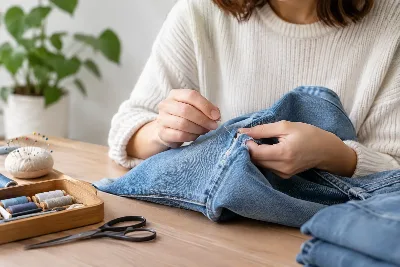
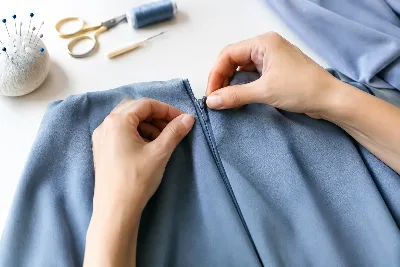
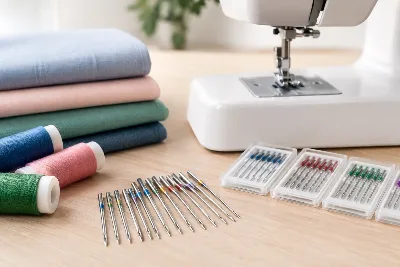
While sewing the layers shift easily because the pile slides on itself. Tacking or a walking foot solves this. Press only from the wrong side on a needle board or towel, otherwise permanent marks remain. Panne velvet is stretchy and needs a jersey needle.
Classic velvet has an upright, dense pile and feels heavy and luxurious. In panne velvet the pile is pressed in one direction, which makes the fabric thinner, shinier and much more fluid.
Only from the reverse and with as little pressure as possible, ideally on a towel or needle board. Placing the fabric directly on the ironing board and pressing flattens the pile and the mark stays visible.
The pile surfaces glide over each other like two brushes. Tack the pieces before sewing or use a walking foot so that the upper and lower layers are fed evenly.