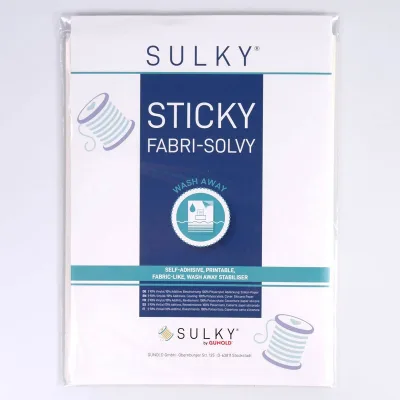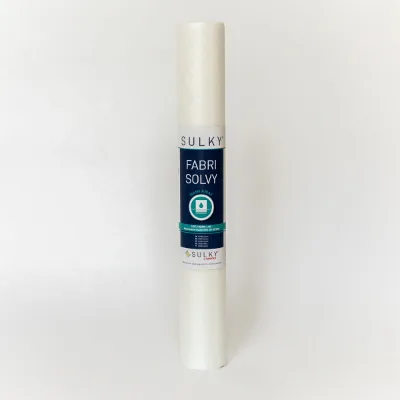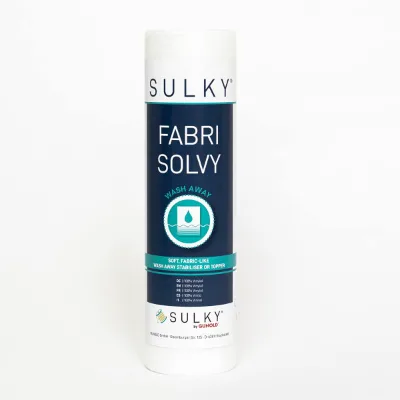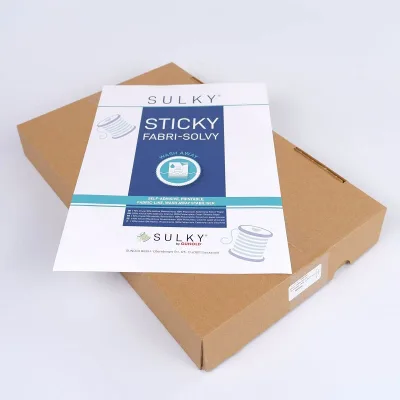
Sulky Sticky Fabri-Solvy 108 sheets 21.5 × 28 cm in White
€159.00per piece
Unit price €24.46 / m²
Free shipping within Germany from €50 · Pay securely with PayPal and Klarna

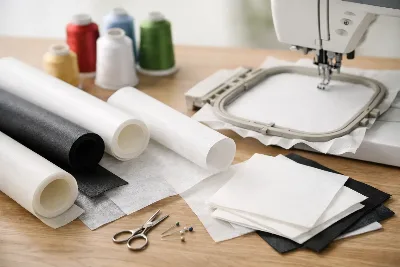
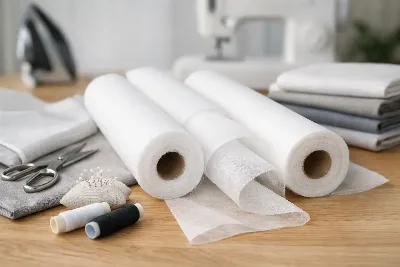
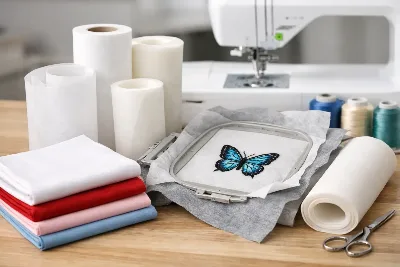
Stabiliser holds the fabric in shape while stitching so the design does not pucker. Which one you need comes down to one question: how should it come out afterwards – torn away, cut away or washed away?
€159.00per piece
Unit price €24.46 / m²
€24.50per piece
Unit price €34.03 / m²
€63.00per piece
Unit price €5.04 / m²
€22.00per piece
Unit price €8.80 / m²
€11.00per piece
Unit price €15.07 / m²
€65.00per piece
Unit price €5.20 / m²
€16.00per piece
Unit price €6.40 / m²
€14.00per piece
Unit price €11.20 / m²
€80.00per piece
Unit price €6.40 / m²
€21.50per piece
Unit price €8.60 / m²
€80.00per piece
Unit price €6.40 / m²
€21.50per piece
Unit price €8.60 / m²
€15.90per piece
Unit price €12.72 / m²
€15.90per piece
Unit price €12.72 / m²
€85.00per piece
Unit price €68.00 / m²
€19.50per piece
Unit price €15.60 / m²
€12.00per piece
Unit price €9.60 / m²
€85.00per piece
Unit price €6.80 / m²
€20.50per piece
Unit price €8.20 / m²
€85.00per piece
Unit price €6.80 / m²
€20.50per piece
Unit price €8.20 / m²
€65.00per piece
Unit price €5.20 / m²
€17.00per piece
Unit price €6.80 / m²
€65.00per piece
Unit price €5.20 / m²
We sort our stabilisers the way Gunold sorts its Sulky range: by how the stabiliser is removed after stitching. That is also the most important decision, because it depends directly on the fabric.
Tear away stabiliser is the standard for firm wovens such as cotton, linen or canvas. The excess is torn off after stitching. This group also includes the self-adhesive Filmoplast stabilisers for pieces that will not fit in a hoop, and the heat-soluble film Thermofilm for fabrics that must not get wet.
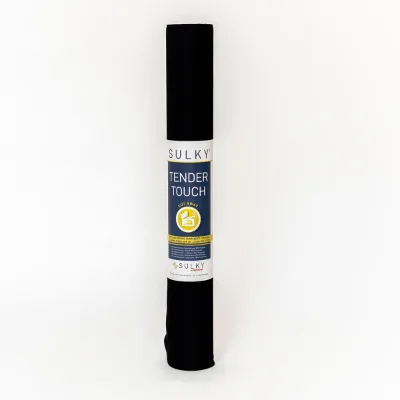
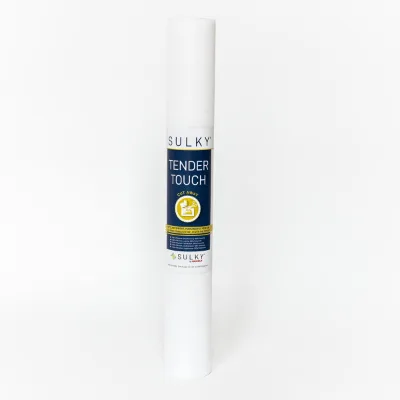
Cut away stabiliser stays beneath the design permanently and is the right choice for jersey, sweatshirting and anything that stretches. Here you will also find the backing cover Tender Touch for the inside, the bonding web Thermofix and the iron-on film BSN for patches.
Water soluble stabiliser disappears completely when rinsed – as a topping on terry, as a backing for sheer fabrics and for freestanding lace.
Fabric and stabiliser belong in the hoop together, flat but without tension. Stretch the fabric and you get ripples after stitching, as soon as it relaxes again.
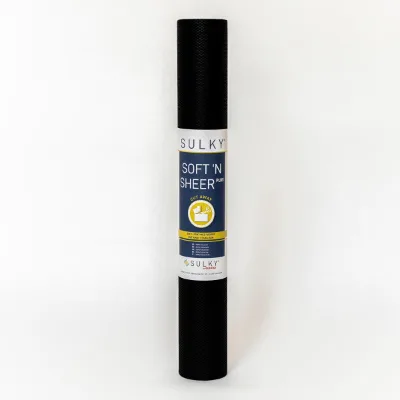
A cut away stabiliser, because it stays in the fabric after stitching and holds the stretch permanently. For shirts and children's clothes a soft one such as Soft´n Sheer Plus works well, for dense designs a heavier one such as Super Strong.
A water soluble film such as Solvy on top, so the stitches do not sink into the pile. Underneath goes a stabiliser that suits the towel. The film rinses out completely afterwards.
Hoop a self-adhesive stabiliser such as Filmoplast on its own, score the backing paper and stick the fabric on. That way collars, pockets or finished garments can be embroidered too.
Usually the stabiliser is missing or too light for the fabric. Fabric hooped too tightly is another common cause, because it relaxes after stitching and forms ripples.