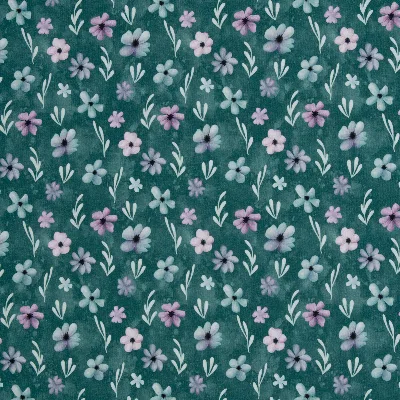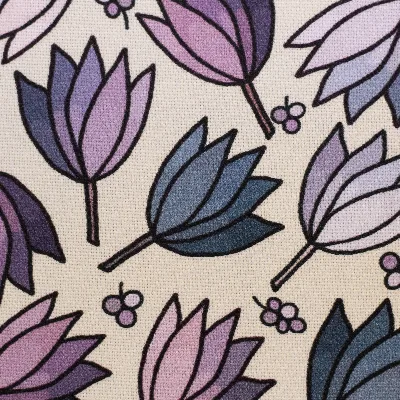
Canvas Floral Tales by Emjo Design Tulips on Cream by Swafing
€7.95per 0.5 m
Unit price €15.90 / m
Free shipping within Germany from €50 · Pay securely with PayPal and Klarna

Here you will find our complete fabric range, from light summer materials through to warm winter sweats. Sorted by material group so you reach the right fabric quickly, whether for clothing, children's wear, bags or home projects. Every fabric is cut in one continuous piece.
€7.95per 0.5 m
Unit price €15.90 / m
€7.95per 0.5 m
Unit price €15.90 / m
€7.95per 0.5 m
Unit price €15.90 / m
€7.95per 0.5 m
Unit price €15.90 / m
€7.95per 0.5 m
Unit price €15.90 / m
€7.95per 0.5 m
Unit price €15.90 / m
€7.95per 0.5 m
Unit price €15.90 / m
€7.95per 0.5 m
Unit price €15.90 / m
€7.45per 0.5 m
Unit price €14.90 / m
€8.95per 0.5 m
Unit price €17.90 / m
€9.45per 0.5 m
Unit price €18.90 / m
€9.45per 0.5 m
Unit price €18.90 / m
€9.45per 0.5 m
Unit price €18.90 / m
€9.45per 0.5 m
Unit price €18.90 / m
€9.45per 0.5 m
Unit price €18.90 / m
€8.45per 0.5 m
Unit price €16.90 / m
€8.45per 0.5 m
Unit price €16.90 / m
€8.45per 0.5 m
Unit price €16.90 / m
€9.45per 0.5 m
Unit price €18.90 / m
€9.45per 0.5 m
Unit price €18.90 / m
€8.45per 0.5 m
Unit price €16.90 / m
€9.45per 0.5 m
Unit price €18.90 / m
€8.95per 0.5 m
Unit price €17.90 / m
€8.95per 0.5 m
Unit price €17.90 / m
Which fabric is right usually depends on the pattern: shirts, dresses and children's clothing call for stretchy knits such as jersey, summer sweat or ribbing. Trousers, skirts, bags and jackets need firmer woven or coated fabrics that hold their shape and take some wear.
Our groups follow exactly that distinction: jersey, alpine fleece and summer sweat cover everything stretchy for everyday wear, cotton, corduroy and denim the classic wovens, softshell, outdoor and rainwear fabrics the functional ones, while faux leather, cork and upholstery fabrics serve bags and interior projects. Specialities such as lace, velvet or sequinned fabrics round things off for festive pieces.
Watch two things when choosing: stretch, because a pattern drafted for knits will not work in woven fabric, and care, since fabrics differ widely in how much they shrink. Wash new fabric before cutting exactly as you intend to wash the finished garment later.
Medium-weight woven cottons and firm cotton jersey are the easiest to handle. Both shift very little, cut cleanly and forgive small inaccuracies. Very thin, slippery or highly stretchy materials such as chiffon, viscose jersey or faux leather are better saved for later projects.
Your pattern states this, and it depends on size and fabric width. As rough guidance, an adult shirt usually takes a good metre, children's clothing considerably less. Allow extra for directional prints, because every piece then has to be laid out facing the same way.
Yes, nearly always. Most natural fibres shrink during the first wash. Washing the fabric beforehand exactly as you will later care for the garment keeps the fit intact. Coated fabrics such as faux leather or oilcloth do not need pre-washing.
We cut from the roll in one piece: order several metres of one colour and you receive them continuous rather than in separate pieces. The minimum quantity is stated with each fabric. Smaller remnants are listed separately under fabric cuts.
Knits such as jersey, sweat or ribbing are knitted and give noticeably across the width; wovens such as cotton, corduroy or denim are woven and barely stretch. The article data names the material group, and many fabrics list their stretch as well. A pattern always specifies which type it needs.