How to Calculate Fabric for Curtains

A curtain can make a room feel calm, cosy or bright, provided it hangs properly. So if you want to work out how much fabric you need for curtains, measuring the width and height of the window isn't enough. The fullness you want, the width of the fabric, the type of heading and the hems all matter too. With a few clear steps, you'll neither run short nor buy far more than you need.
Measure first, then choose your fabric
Don't use the window itself as the basis for the width. Measure the curtain pole or track instead. The curtain should extend beyond the window on each side, so that it doesn't block too much light when open and covers the window reliably when closed. As a rough guide, the pole can extend about 15 to 25 cm beyond the window frame on each side. For wide windows or heavy furnishing fabrics, it can be more.
For the length, measure from the hanging point to where you want the curtain to finish. On a pole, this is usually the bottom of the rings or the point where the tabs begin. On a track, measure from the underside of the track. Note the measurement as precisely as possible and decide beforehand how you want the curtain to fall: just above the windowsill, down to the radiator, just above the floor or pooling slightly.
A floor-length curtain usually stops about 1 to 2 cm above the floor. This looks neat and makes hoovering easier. If you'd like the fabric to rest on the floor deliberately, add 3 to 10 cm depending on the effect you're after. For kitchens, children's rooms or windows with radiators beneath them, shorter versions are often more practical.
Calculating fabric for curtains: the width
The key question is: how full do you want your curtain to be? A flat piece of fabric cut to exactly the width of the window usually looks skimpy and won't draw back nicely. It's the extra width that creates those soft waves or generous folds.
To get this, multiply the width of your pole or track by a fullness ratio. Which ratio is right depends on the fabric and the heading:
- For lightweight net curtains, voiles and sheers, you'll usually allow 2 to 2.5 times the track width.
- For furnishing fabrics with heading tape, 1.5 to 2 times is a good rule of thumb.
- Heavy blackout fabrics often look lovely at just 1.5 times and won't bunch up too bulkily.
- For fixed, hand-made pleats, the amount of fabric depends on the specific pleat style and the spacing between the pleats. Plan especially carefully here.
Example: your curtain track is 200 cm wide and you're sewing two blackout curtain panels from a medium-weight furnishing fabric. With a fullness ratio of 1.5, you need a total of 300 cm of fabric width. As the curtains are split into two panels, each finished panel needs to be 150 cm wide, plus side hems.
Important: this calculation gives you the finished width. Now check how wide your chosen fabric is. Many furnishing fabrics are around 140 cm wide. If one width of fabric isn't enough for a panel, several widths are joined side by side. In our example, a single 140 cm width would be too narrow for a finished panel of 150 cm. You'll need two widths per panel, or you can adjust the planned fullness.
That may sound like a lot of fabric at first, but it avoids a common mistake: two panels that are too narrow will just about cover the window, but they look stretched when closed and can hardly be gathered back attractively.
Checking fabric width and grain direction
With curtain fabrics, the selvedge usually runs along the length. So the number of metres you buy corresponds to the height of the curtain including allowances, while the fabric width determines the width of each drop. A 140 cm wide fabric therefore gives you drops 140 cm wide and as long as you order.
Some furnishing fabrics, particularly those with a pattern repeat or horizontal stripes, are designed differently. In that case it can make sense, or even be necessary, to use the fabric railroaded (turned sideways). For certain window sizes this saves on drops, but it only works if the pattern, drape and fabric width allow it. Also check whether the fabric has a clear top and bottom. With flowers, animals, lettering or directional motifs, you can't simply turn the drops round.
Working out the right length including allowances
Add hem allowances at the top and bottom to your measured finished length. How much you need depends on your heading. A slot heading needs more fabric at the top than simple heading tape, tab tops need extra length for the tabs themselves, and for eyelets you'll need to allow a deep enough header above the eyelets.
As a practical guide, you can add about 8 to 15 cm at the top and 10 to 20 cm at the bottom. At the sides, 2 to 4 cm per edge is usually enough for a neatly turned hem. On heavy curtains, a deeper bottom hem often looks particularly high-quality and helps the fabric hang straight.
If your finished curtain measures 245 cm, for example, you might allow 10 cm for the heading and 15 cm for the bottom hem. You would then order at least 270 cm per drop. For fabrics that tend to shrink, such as unwashed cotton or linen, it's wise to add a little extra. If you wash before sewing, which is recommended for many natural fibres, wash the whole length of fabric before cutting.
Pattern repeat: the extra that often gets forgotten
A pattern repeat is the distance after which a motif repeats itself. It doesn't matter with plain fabrics. With geometric prints, large florals or stripes, however, it can range from a few centimetres to well over half a metre.
Where several drops sit side by side, the pattern should line up at the same height. So rather than simply cutting the remaining drops to the same length, you shift the cut until the motif matches. This can mean up to one full repeat extra per drop. The exact value is often given in the fabric description. With large-scale designs, it's worth planning generously, as a mismatched pattern on a curtain stands out straight away.
Even with two separate panels, it's worth keeping an eye on the pattern. It looks especially harmonious when the motifs start at roughly the same height. This isn't essential with busy all-over prints, but it's highly recommended with clear horizontal lines or symmetrical motifs.
Worked example for two curtain panels
Let's take a 240 cm wide pole and two floor-length panels in a 140 cm wide blackout fabric. The finished length should be 250 cm. You'd like medium fullness, so you work with a ratio of 1.5.
240 cm times 1.5 gives a total width of 360 cm. Divided between two panels, that's a finished width of 180 cm per panel. With 4 cm side allowance on each edge, you need around 188 cm of fabric width per panel. A single 140 cm width isn't enough, so you plan for two widths per panel. In total, you'll cut four drops.
For the length, take the 250 cm finished measurement plus 10 cm at the top and 15 cm at the bottom. That's 275 cm per drop. Four drops of 275 cm come to 11 m of fabric. If the fabric has a 32 cm pattern repeat, round up the drop length sensibly so that the pattern matches. In this case, you should budget for around 11.5 to 12 m. That may seem generous, but it makes sewing much more relaxed later on.
Plan your heading and accessories at the same time
Even the most beautiful fabric only looks right if the heading suits it. Sheer curtains look light and airy with heading tape, smocked tape or a fine slot heading. For blackout curtains, heading tape, hidden tabs, eyelets or rings all work well, depending on whether you want a classic, modern or more relaxed look.
Buy heading tape to match the width of the ungathered fabric edge, in other words before it's pulled up. With several drops joined together, you'll need correspondingly more. Curtain runners, gliders, rings or eyelets should also suit your existing pole or track. If you're unsure, bring a photo or the measurements of your fittings along for advice. At Die Stoffkönigin, we're happy to help you put together fabric, tape and accessories that go together perfectly.
Double-check before you order
Jot your calculation down quickly: track width, chosen fullness ratio, number of panels, fabric width, drops per panel, finished length, hems and any pattern repeat. It's better to round your order up to sensible lengths. A small leftover piece is handy for tiebacks, cushion covers or testing your seams, and far less frustrating than a drop that turns out a few centimetres too short.
So when you're working out how much fabric you need for curtains, take your time over the planning. Measure carefully, check the fabric width and pattern, and choose the fullness that suits your room. Then your fabric will become a curtain that doesn't just cover the window, but truly makes your home more beautiful.
Matching categories
Matching products
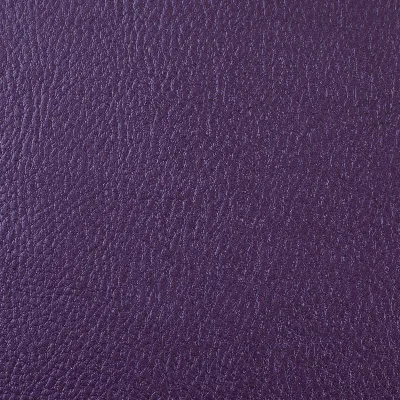
Faux Leather Rex Metallic Solid Purple by Swafing
€7.95per 0.5 m
Unit price €15.90 / m
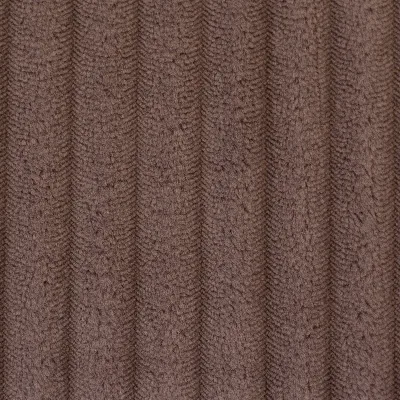
Plush Wide Cord Montevideo by Swafing Taupe
€7.95per 0.5 m
Unit price €15.90 / m
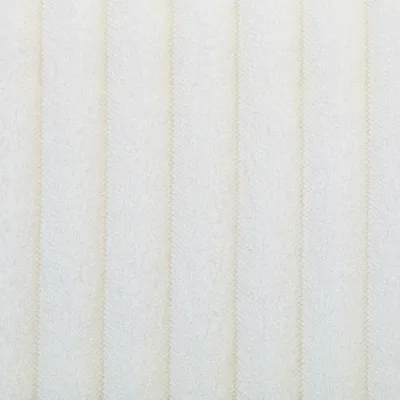
Plush Wide Cord Montevideo by Swafing Natural White
€7.95per 0.5 m
Unit price €15.90 / m
Faux Leather Rex Metallic Solid Black by Swafing
€7.95per 0.5 m
Unit price €15.90 / m
Faux Leather Rex Metallic Solid Natural White by Swafing
€7.95per 0.5 m
Unit price €15.90 / m
Cotton Jersey Nara Tractors on White by Swafing
€8.45per 0.5 m
Unit price €16.90 / m