Choosing the Right Bag Fabrics for Beginners
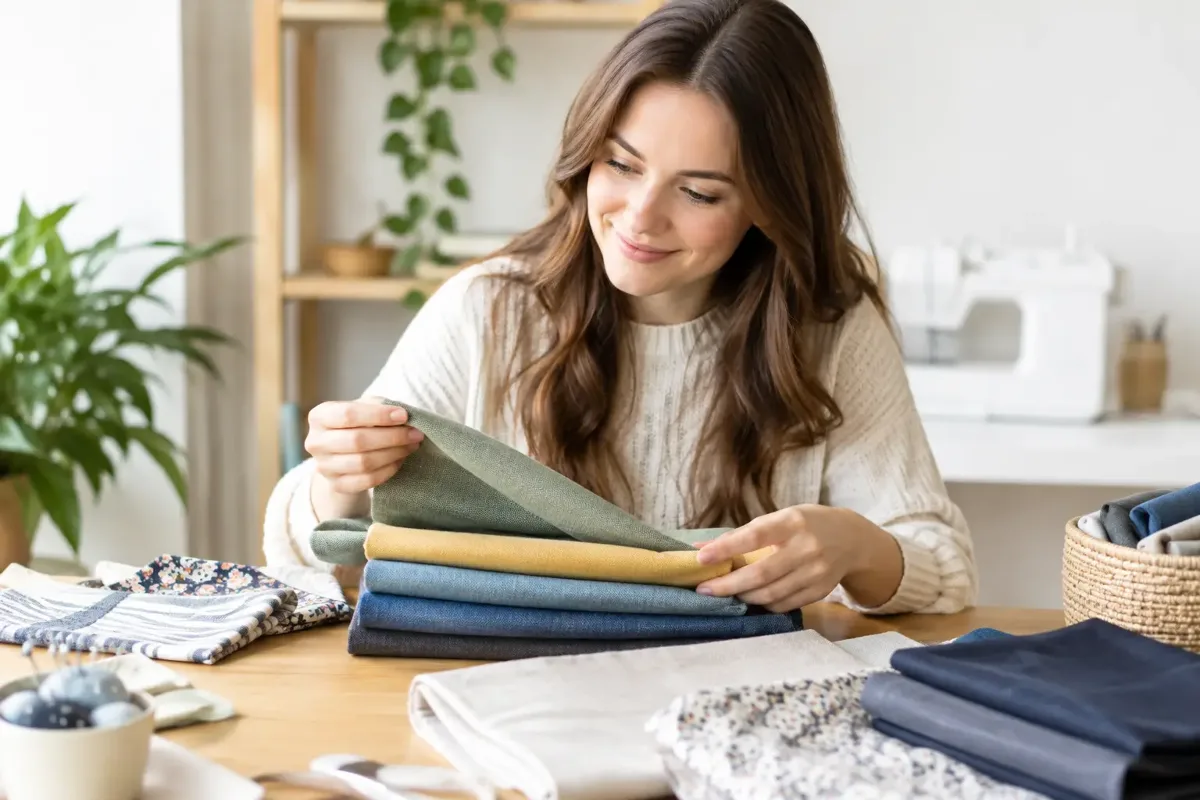
The handles are already cut, the sewing pattern is ready and waiting - and suddenly the crucial question comes up: will the fabric actually do what your planned bag needs it to do? Bag fabrics for beginners don't have to be complicated. When the outer fabric, lining and reinforcement work well together, a simple pattern turns into an accessory that gets carried happily for years.
Especially for your very first bag, it's worth looking beyond a pretty print. A shopping bag, a make-up pouch and a rucksack place completely different demands on the material. The fabric determines whether the bag holds its shape, how easy it is to sew and whether it stays reliable in everyday use.
Bag fabrics for beginners: which fabric suits your project?
When you're starting out, woven, non-stretch fabrics are the most pleasant choice. They distort less than stretchy fabrics when you cut them, can be pinned precisely and are easy to guide through the sewing machine. Tried-and-tested favourites include canvas, sturdy woven cotton, home décor fabrics and coated fabrics - depending on what you'd like to sew.
Canvas: the reliable all-rounder
Canvas is a heavyweight cotton fabric with a distinctive, often slightly rustic texture. It has plenty of body on its own, which makes it wonderful for totes, fabric bags, project and changing bags or simple shoulder bags. For a first bag, canvas is often an excellent choice: it's hard-wearing, easy to sew and available in lots of colours and designs.
With very thick canvas, though, several layers of fabric can get quite bulky at seams, corners or where you attach webbing. A denim needle and a slow sewing speed help here. Always test the seam on a scrap first - especially if you're also working with interfacing or faux leather.
Woven cotton: light, versatile and easy to combine
Regular woven cotton is lighter than canvas and particularly pleasant for small bag projects. It's ideal for make-up pouches, fabric storage baskets, drawstring gym bags, little gift bags or as a lining. It's also a lovely base for patchwork bags, because prints and colours are so easy to mix and match.
As an outer fabric, lightweight cotton usually needs some support. Without reinforcement, a bag quickly turns soft and loses its shape. That's perfectly fine for a foldable shopping bag, but less so for a handbag with a base. So the pattern decides: should the bag drape softly or stand upright?
Home décor and upholstery fabrics: when your bag needs shape
Home décor fabrics are often more densely woven and a little heavier. Many qualities have enough firmness for cushions, baskets, bags or roomy totes. Upholstery fabrics can work well too, as long as they aren't too thick or too coarsely textured. They're a great choice for bags that need to withstand a fair bit and can have a firm feel.
The small catch: very heavy fabrics ask more of a domestic sewing machine. For your first project, a medium-weight décor fabric is usually easier to control than an extremely stiff upholstery fabric. Also check whether the reverse side is neat enough for visible edges or whether you should plan in a lining.
Coated fabrics for on the go and for children
For lunch bags, wash bags, changing bags or bags that might end up on a damp bench, coated cotton, oilcloth or water-repellent fabrics are practical. Splashes can often simply be wiped off. Depending on the quality, however, these materials can stick under the presser foot or show small holes if you unpick a seam.
A Teflon presser foot, tissue paper between the fabric and the foot or a longer straight stitch make sewing easier. With coated fabrics, pins should only go within the seam allowance. Fabric clips are better still, as they don't leave any holes.
Structure doesn't come from the outer fabric alone
A bag doesn't have to be made from a board-stiff fabric to be sturdy. Often the shape you want only comes from the combination of outer fabric, lining and interfacing. That's especially helpful if you've fallen in love with a print on lightweight cotton: with the right reinforcement, it can still become a lovely, practical everyday bag.
Iron-on interfacing is an easy solution for smaller projects and light to medium-weight fabrics. It gives the fabric a little more body without making it completely stiff. For a make-up pouch, a small bag or a simple phone case, that's often all you need.
Fusible fleece adds padding and makes bags soft. It works well for glasses cases, handlebar bags, small pouches or projects that need a little protection. If you use it, trim the seam allowances at bulky points and secure the layers well. That way, less shifts around while you sew.
For bags that really stand up on their own - such as a tote with a base, a handbag or a rucksack - firmer bag interfacings or special stabilisers are the way to go. They give edges and surfaces noticeably more support. These materials are very useful but not always beginner-friendly: several reinforced layers can get thick at the machine. A simple pattern with few panel seams is therefore the better place to start.
A good rule of thumb: the lighter the outer fabric and the bigger the bag, the more likely it is to need reinforcement. With thick canvas, on the other hand, a light lining may be enough. The sewing pattern often gives a specific recommendation, and it's worth taking it seriously. It ensures that the intended measurements, pleats and fastenings actually work in the end.
Don't underestimate the lining and base
The inside of a bag often only becomes important once you start using it. A lining hides seam allowances, protects the outer fabric and gives a neat finish. For many bags, woven cotton is the ideal lining. It's sturdy enough, pleasant to work with and easy to coordinate with the outer fabric in small amounts.
For a bag for wet swimwear or toiletries, a wipe-clean lining can make sense. A lightweight fabric bag, on the other hand, doesn't necessarily need a lining. Fewer layers of fabric mean a simpler project - and that's a real advantage on your first attempt.
The base of a bag carries a lot of weight. If the bag is going to carry books, shopping or sewing supplies, this area can be reinforced more than the sides. Some patterns use a separate base, others boxed corners. Either way, an extra layer of interfacing helps stop the bag from sagging after a short time.
The right notions make sewing easier
Even the best fabric only looks half as good if the needle, thread and fastening don't suit it. For cotton, canvas and décor fabrics, a good-quality all-purpose thread is usually the right choice. On thicker layers, a slightly heavier thread can look lovely, provided your machine handles it cleanly. Check beforehand that the upper and bobbin thread tension is right.
A universal needle is suitable for most bag fabrics. For firm canvas, several layers of interfacing or webbing, a denim needle is often the better choice. It's sturdier and gets through thick fabrics more reliably. Replace blunt or bent needles straight away - they can cause skipped stitches, pulled threads and unsightly holes.
When it comes to fastenings, beginners can happily start simple. A zip may seem tricky at first, but with good instructions it often turns out better than expected. Even easier are press studs, hook-and-loop tape or a drawstring channel. Magnetic snaps look elegant but need reinforcement where they're inserted so the fabric doesn't tear.
With handles, too, it pays to think about the load. Handles sewn from the outer fabric look great, but they need to be wide enough and reinforced. Webbing is quicker to work with and very strong - ideal for totes, sports bags and bags that will regularly carry weight. Make sure you stitch the handles down several times with a box and cross.
Before cutting: a quick plan saves fabric
Pre-wash natural-fibre fabrics if the finished bag is meant to be washable. Cotton can shrink, and dark colours may bleed a little in the first wash. Then press the fabric smooth so you can lay out your pattern pieces accurately.
When cutting, keep an eye on the grain line and, with printed fabrics, the direction of the print. With figures, lettering or flowers, it's instantly noticeable if one side of the bag is upside down. Lay all the pieces out on the fabric as a trial before you cut. That way you'll also see whether you have enough fabric for the outer, lining and any inside pockets.
For a small make-up bag, modest pieces of fabric are often enough. For a tote, how much you need depends heavily on the width, height, lining, base and handles. If you calculate too tightly, there's little room for cutting mistakes or an extra outside pocket. So, especially at the beginning, a little leftover fabric is worth its weight in gold.
Start confidently with a simple project
Your first bag doesn't have to be a rucksack with a zipped compartment, piping and adjustable straps. An unlined fabric bag, a small storage basket or a make-up pouch with a simple zip teaches you the key basics: straight seams, corners, turning through and neat topstitching. After that, you can try out more step by step.
Choose a fabric you genuinely love looking at, but not one where every cutting mistake hurts. A small amount from 20 cm can be really handy for testing colour, feel or reinforcement. Above all, with unfamiliar combinations, sew a test piece using all the layers. Three minutes at the machine saves a lot of frustration on the real project.
Your first bag is allowed to have its little quirks. What matters is that it suits your everyday life and that, for your next project, you know exactly whether you'd like more structure, a different lining or sturdier handles. That's exactly how, bit by bit, a piece of fabric turns into real sewing experience.