Cotton or muslin: choosing the right fabric for clothing
An airy, floaty summer dress, a soft baby top or a blouse with a little more body: when it comes to cotton or muslin for clothing, it isn't just about how the fabric looks on the shelf. Both can be made of cotton, yet they feel completely different, drape differently and need a slightly different approach when cutting and sewing. If you bear this in mind before buying your fabric, you'll get far more joy from the finished garment.
Cotton or muslin for clothing: the key difference
The most important point first: cotton is a fibre, whereas muslin is a type of weave or fabric quality. When fabric shops talk about cotton fabric, they usually mean a smooth woven cotton such as poplin, batiste or other woven fabric. Muslin, on the other hand, is loosely woven and usually made in several layers. Its typical crinkled, slightly irregular surface comes from the loose weave and stays visible even after washing.
In other words, muslin can certainly be made of pure cotton, but it still doesn't behave like a classic cotton fabric. Smooth woven cotton tends to hold its shape better and gives a cleaner, crisper line. Muslin is softer and airier, with a relaxed, natural character. Neither fabric is better as such. What matters is which garment you want to sew and how you want it to feel when you wear it.
When smooth cotton is the better choice
Classic woven cotton is a reliable all-rounder for projects that need some structure. It's usually easy to cut, behaves predictably under the machine and is therefore ideal for beginners too. It really comes into its own on garments with collars, button plackets, facings, pockets or crisp pleats.
For shirts, structured blouses, skirts, aprons or lightweight dresses, cotton poplin is often a great choice. It doesn't drape as softly as viscose, but it has enough body to keep details visible. It's also practical for children's clothing such as harem trousers, dungarees or skirts: the fabric is hard-wearing and stands up well to everyday life.
Depending on the quality, cotton can vary in density and fineness. A light batiste is perfect for delicate summer blouses or linings, while a sturdier woven cotton is better suited to shirts, light jackets or garments with pockets. So don't just look at the “100% cotton” label – check the weight, handle and sheerness of the fabric as well.
One possible drawback: smooth cotton often creases noticeably. That's simply part of the natural material, but it can be a nuisance if you want a very polished look. If you're sewing an everyday garment that you don't want to iron after every wear, muslin is often the more relaxed alternative.
Cotton for precise patterns and details
Cotton is especially pleasant to work with on sewing patterns with lots of pieces. Markings transfer easily, edges are less likely to distort and seam allowances press open neatly. Buttonholes, piping and patch pockets are also usually easier on a more stable woven fabric than on very loose muslin.
If you want to line a garment, such as a skirt or a light waistcoat, smooth cotton is a dependable base too. It doesn't add unnecessary bulk and gives the project structure. For very fluid, flowing designs, however, it isn't always the first choice.
Why muslin is so popular for clothing
Muslin is a real feel-good fabric. It's lightweight, breathable and wonderfully soft against the skin – a big advantage on warm days or for sensitive skin. Its textured surface also means small creases hardly show. The garment is allowed to look casual, and that's exactly where its charm lies.
Muslin is particularly popular for baby and children's clothing, as it's soft and often helps regulate temperature. It's lovely for sewing neckerchiefs, light trousers, tunics, pyjamas and summer dresses. For women and men, muslin shirts, blouses, wide-leg trousers, kaftans and loose oversized dresses work beautifully too.
Muslin looks its best when the pattern picks up on its relaxed nature. Wide sleeves, gathered sections, comfortable fits and simple silhouettes suit the fabric better than heavily fitted or very structured designs. A close-fitting shift dress with lots of darts needs more stability than muslin usually offers.
Know the limits of muslin
As lovely as muslin is, it's important to be realistic about its properties. Because of its loose weave, it's less resistant to abrasion than many more densely woven cotton fabrics. It isn't always ideal for knees that take a lot of wear, very slim-fitting trousers or garments that frequently rub against bags and zips.
With sheer or pale qualities, it's also worth holding the fabric up to the light. Single-layer muslin can be see-through for a dress or blouse. A loose design worn over a slip, a lining or a second layer of fabric can help here. Double gauze – two-layer muslin – is usually more opaque, but not automatically completely see-through-proof.
When sewing, avoid stretching or pulling muslin unnecessarily. A fresh, fine universal needle and a straight stitch are usually a good starting point. Using fabric clips instead of lots of pins helps you avoid visible holes in the loose weave. Seam allowances can be neatly finished with an overlocker, a zigzag stitch or French seams.
Which fabric suits which garment?
When deciding, it helps to start by pinning down how you want the garment to feel. If it should be clearly shaped, hard-wearing and full of details, smooth woven cotton is often the right fit. If it should feel soft, loose, summery and as low-maintenance as possible, there's a lot to be said for muslin.
A shirt with a classic collar, cuffs and button placket often benefits from poplin or a fine shirting cotton. A casual summer shirt with an open collar, on the other hand, can look great in muslin. For children's clothing, both work: dungarees or a skirt with pockets benefit from sturdy cotton, while airy harem trousers or a tunic feel especially cosy in muslin.
For babywear, the question isn't just “soft or firm”. Also make sure the seams won't irritate and the garment is easy to put on and take off. Muslin is wonderful for loose designs, but it can distort more on very small, fiddly pieces. Woven cotton is often easier to handle for precisely sewn popper plackets, little collars or straps.
With skirts and dresses, the pattern makes a particularly big difference. A tiered dress in muslin gets a lovely, light fullness and looks relaxed. A wrap skirt, a shirt dress or a design with a wide waistband can look crisper and smarter in cotton poplin. If you want to sew gathers, expect a little more bulk at the seam with muslin, as the layers are soft but voluminous.
Before cutting: wash, check, adjust
Both cotton and muslin can shrink in the first wash. So pre-wash your fabric in the same way you plan to care for the finished garment. With muslin, the typical texture often becomes even more pronounced after the first wash. That's not a flaw – it's part of its character.
Before cutting, lay the washed fabric out flat without pulling muslin taut. Because of the loose weave, its edges can sometimes look less precise than those of poplin. Take your time and check the grainline. A rotary cutter and cutting mat can be very helpful with muslin if you like working with them.
Checking the fabric width also saves surprises. Depending on the pattern and size, a full dress in muslin often needs more metres than a slim design in smooth cotton. With long sleeves, ruffles or a tie belt, it's worth checking the fabric requirements in the sewing pattern generously. Small quantities from 20 cm are handy if you're planning a test piece, pocket linings or matching details first.
Colour, print and how the fabric looks
Muslin usually shows colours slightly softer and more matt, because its surface reflects light differently from smooth woven fabric. Natural tones, muted colours and small prints show off its relaxed look particularly well. Smooth cotton often brings out graphic patterns, bold colours and fine illustrations more clearly.
So when you choose fabric online, think not only about the colour on your screen but about how it will look in the finished garment. A large-scale print can quickly look busy on a heavily gathered muslin dress. A small print or a plain fabric lets the design details stand out more. With poplin, on the other hand, prints and contrasts can be more precise and eye-catching.
If in doubt, lay the sewing pattern next to your fabric idea and ask yourself: should this garment show off its shape or radiate ease of movement? That's usually where the right decision lies. And if you're torn between cotton and muslin, sew a small test piece first – a few seams, some gathering or a button placket will tell you more than any product photo.
Matching categories
Matching products
Muslin Thea Colourful Triangles White
€7.45per 0.5 m
Unit price €14.90 / m
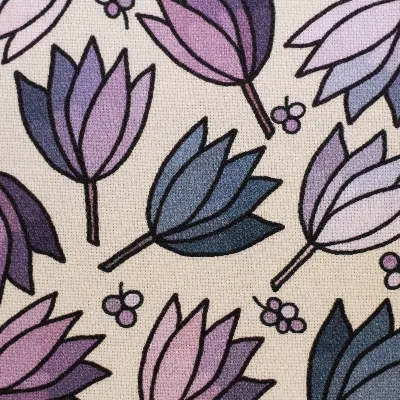
Canvas Floral Tales by Emjo Design Tulips on Cream by Swafing
€7.95per 0.5 m
Unit price €15.90 / m
Muslin Double Gauze Jenke Plain Burgundy
€5.45per 0.5 m
Unit price €10.90 / m
Canvas Doha Leopard in Apricot/Brown by Swafing
€7.45per 0.5 m
Unit price €14.90 / m
Muslin Double Gauze Jenke Plain Emerald
€5.45per 0.5 m
Unit price €10.90 / m
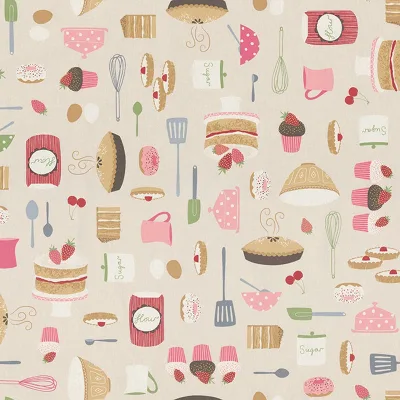
Half panama, baking motifs, natural
€7.45per 0.5 m
Unit price €14.90 / m