 Jersey and Sweatshirt Fabric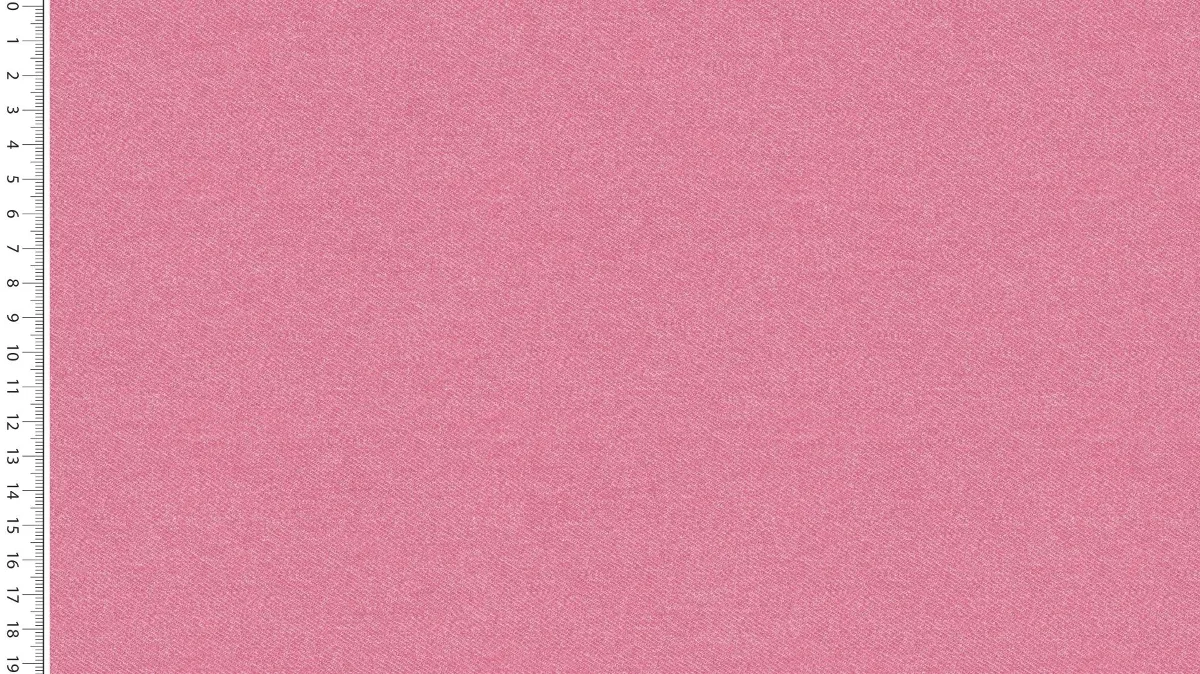
French Terry in Dusty Pink
Item no. 16619
€8.45per 0.5 m
Unit price €16.90 / m · incl. VAT, plus shipping
French Terry in Dusty Pink: 150 cm wide, 250 g/m², made from 95 % cotton and 5 % elastane. Sold by the metre. Wash once before cutting.
in stock
Delivery time approx. 3–5 working days
Free shipping within Germany from €50
- Fabric type
- sweat
- Material
- 95 % Baumwolle, 5 % Elasthan
- Width
- approx. 150 cm
- Weight
- approx. 250 g/m²
- Colour
- Altrosa
- Gewicht
- 250 g/m²
- Breite
- 150 cm
Description
French terry is smooth outside and finely looped inside. It warms noticeably more than jersey without adding bulk. The fabric comes 150 cm wide and brings 250 g/m² to the scale. Its composition reads 95 % cotton and 5 % elastane.
Dusty Pink suits grey and beige particularly well; the pairing reads calmer than with pure white. With cuffing in the same tone you finish sleeves and hem cleanly, without a turned hem adding bulk. A sample answers more questions about handle and drape than any description.
What French Terry in Dusty Pink is suitable for
- joggers
- children's clothes for autumn and winter
- jumpers
Frequently asked questions
Does it suit children's clothes?
Very well. Sweat takes movement, warms and forgives imprecise seams. Because it adds bulk, cutting a size up pays off in children's sizes. The goods also stand up to knees and elbows, the first places children wear through.
How does sweat differ from jersey?
In its inside. Sweat carries loops or a brushed surface there that holds warmth; jersey is smooth on both faces. So sweat is thicker, warmer and more stable, while stretching a little less.
How do I sew over thick spots?
Slowly and with reduced presser foot pressure. Where hood, facing and cuffing meet, turning the handwheel by hand beats pressing the pedal. A tailor's clapper or pliers flattens the spot first, and the needle then passes more easily.
How much fabric does a hoodie take?
For an adult model a little over twice the body length plus sleeves, more on narrow goods. Hood and pockets come on top — allow generously.