Example Viscose Summer Dress to Sew Yourself
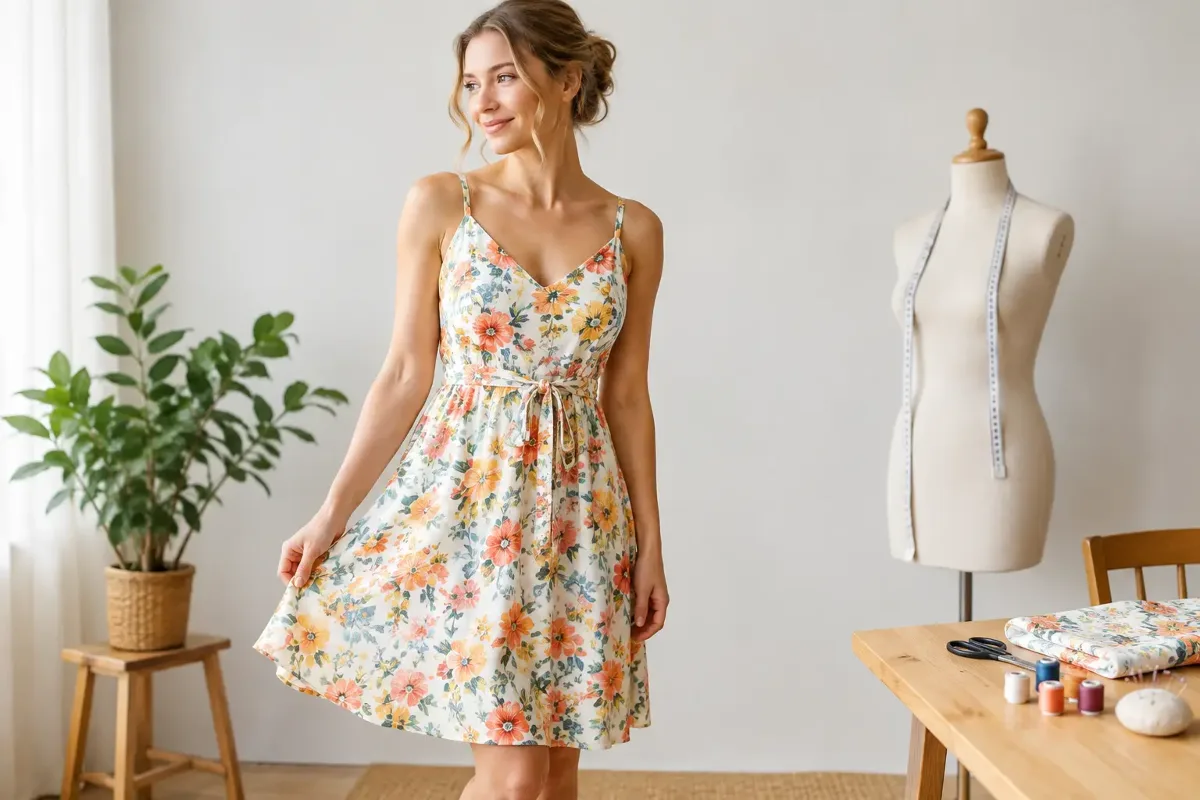
On a warm day, a dress shouldn't feel restrictive or cling to your body, yet it should still move beautifully as you walk. That's exactly what makes viscose so appealing. Our example viscose summer dress shows how a soft, drapey woven fabric becomes a dress that looks effortless but turns out especially neat with the right preparation.
Example viscose summer dress: the idea behind it
Picture a knee-length dress with a gently flared skirt, narrow straps or small grown-on sleeves, and a loose-fitting bodice. A V-neck at the front or a softly rounded neckline works just as well as a full-length button placket. This design doesn't rely on lots of elaborate details – it's all about the drape of the fabric.
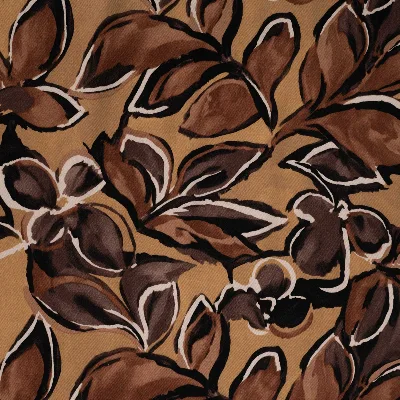
Viscose woven fabric is a lovely choice for summer dresses like this: it usually feels smooth and cool, drapes fluidly and shows off prints and plain colours particularly well. Floral designs look light and feminine, while graphic patterns feel modern. If you prefer something timeless, sew your dress in navy, black, terracotta, sage green or a warm sand shade.
One important point: not all viscose is the same. A lightweight viscose woven of around 115 to 150 g per square metre is wonderful for airy dresses. Very thin qualities can be slightly see-through and, depending on the pattern, may need a lining or a slip. Slightly heavier viscose is still soft but shows less of what's going on underneath, so it's often more comfortable for beginners to work with.
The right pattern for drapey fabrics
For your first viscose summer dress, a pattern with clean lines is the best choice. Loose A-line dresses, wrap styles that are well secured at the neckline, shirt dresses or dresses with a gathered skirt all work especially well. Even a simple dress with grown-on sleeves can look really elegant if the fit at the shoulders and bust is right.
With a close-fitting sheath dress or a design with lots of shaping seams, every small inaccuracy shows more. That doesn't mean such patterns are unsuitable – they simply require more care when cutting and fitting. If you haven't sewn much with slippery woven fabrics yet, it's better to start with a dress that has some ease built in.
Check whether your sewing pattern is specifically designed for woven fabric. Jersey sewing patterns are usually drafted with less ease and can't be used for non-stretch viscose without adjustments. A dress in woven fabric needs a way for you to get into it – such as a zip, a button placket, a slit or a sufficiently wide neckline.
For a sleeveless, knee-length dress in a size 38 to 40, you'll often need around 2 to 2.5 metres of fabric at a width of 140 centimetres. The exact amount is always given in the sewing pattern. With large florals, stripes or a directional print, it's worth buying extra so the pattern flows nicely across the front, back and skirt.
Preparing your fabric properly before cutting
Viscose can shrink a little on its first wash. So wash the fabric before sewing in the same way you plan to care for the finished dress. For many viscose qualities, that means a delicate cycle at 30 degrees with a low spin speed. Then let the fabric dry as smoothly as possible and iron it at a medium temperature, ideally on the wrong side.
Cutting out is the stage where patience really saves time. Lay the viscose on a large, clean surface and smooth it out without pulling. If the fabric shifts when folded, you can cut it in a single layer. It takes a little longer but prevents mismatched pattern pieces. Fine pattern weights are often more practical than lots of pins, as they don't lift or distort the fabric.
Markings for darts, pocket positions and notches should be clearly visible but transferred gently. A chalk pencil, small thread tacks or a washable marker pen all work well. With dark or boldly printed fabrics, always test marker pens on a scrap first.
On a drapey dress, the grainline plays a big part. A skirt cut on the bias hangs especially fluidly but can drop after sewing. Ideally, leave the dress to hang on a hanger for a day before hemming, and only then level the hem. That way you avoid certain areas looking longer after the first wear.
How to sew viscose neatly and stress-free
A new, fine universal needle in size 70 or 80 is a good starting point for most viscose woven fabrics. For very fine qualities, a size 70 Microtex needle can also help. Use a good-quality all-purpose thread and test the stitch length and thread tension on a scrap. A slightly shorter stitch length of around 2.2 to 2.5 millimetres usually gives a neat result.
Viscose doesn't like being pulled as you sew. Guide the fabric loosely and let the feed dogs do the work. If seams start to ripple, reducing the presser foot pressure sometimes helps. A walking foot can also be useful for long side seams or multiple layers. Which settings suit best depends on the fabric weight and your sewing machine, though – a test piece is more reliable than any general rule.
Finish the seam allowances straight after sewing the seams, or beforehand if you're working with fabrics that fray easily. An overlocker is handy but not essential. A narrow zigzag stitch or the overlock stitch on a standard sewing machine does the same job. French seams are particularly pretty and durable on lightweight fabrics. They fully enclose the raw edge but need a little more seam allowance and work best on straight or only gently curved seams.
When pressing, the rule is: press each seam closed first, then carefully press it open. With delicate prints, place a thin cotton cloth between the iron and the fabric. Too much pressure can leave shiny marks. Shoulder, side and dart seams in particular look far more professional when pressed step by step.
Finishing the neckline, straps and hem without frustration
A neat neckline makes a big difference to how high-quality the dress looks. For a sleeveless summer dress, a facing cut from the same fabric is a good option. With very lightweight viscose, stabilise the facing with a suitable lightweight interfacing. It should support the fabric without making it stiff. Always test the interfacing on a scrap, as some viscose fabrics are sensitive to high ironing temperatures.
Narrow straps turn out especially even if you trim the seam allowance closely before turning them through. If you'd rather skip turning altogether, you can also sew straps with neatly folded-in edges. For a dress with wider straps, this option is often a good choice, as it adds stability and hides bra straps better.
For the hem, a narrow double-fold hem is a classic solution. On strongly curved skirts, a rolled hem may sit more nicely because less fabric is folded under. A rolled hem foot is helpful but takes practice. Sew slowly and try out the technique first on a longer strip of scrap fabric. Alternatively, a narrow zigzag hem works surprisingly well on many machines.
Small adjustments turn the dress into a favourite
A summer dress shouldn't only look good on the hanger. So before the final hemming, try it on with the shoes you'll wear it with most often. Check whether the neckline stays closed when you bend over, whether the straps sit in the right place and whether you can sit comfortably. With wrap dresses in particular, a small press stud or an inside tie is worth adding so everything stays where it should.
Pockets are also a question of everyday life. Side-seam pockets are practical but can add bulk on very lightweight viscose or pull the skirt out of shape when your phone is in them. If you want to keep the flowing look completely clean, leave them out. On slightly heavier viscose, however, pockets are a lovely addition.
Wash the finished dress inside out and hang it up as soon as possible after washing. Depending on the quality, viscose creases more or less. A quick burst of steam or a light press brings back its beautiful drape. With good care, the dress won't just be a one-summer project but a firm part of your handmade wardrobe.
If you're unsure about fabric quantity, colour choice or the right interfacing, personal advice can help – from Die Stoffkönigin, just as much as from the cutting layout of your chosen sewing pattern. For your first attempt, choose a fabric in a colour you genuinely love to wear. Then, with every seam, a few metres of viscose become a dress you'll reach for automatically on warm mornings.
Matching categories
Matching products
Viscose Peonies Peonies on Lime Green by Swafing by Cherry Picking
€7.95per 0.5 m
Unit price €15.90 / m
Viscose, leaves, taupe
€7.45per 0.5 m
Unit price €14.90 / m
Woven viscose, black
€6.45per 0.5 m
Unit price €12.90 / m
Woven viscose, navy
€6.45per 0.5 m
Unit price €12.90 / m
Woven viscose, white
€6.45per 0.5 m
Unit price €12.90 / m
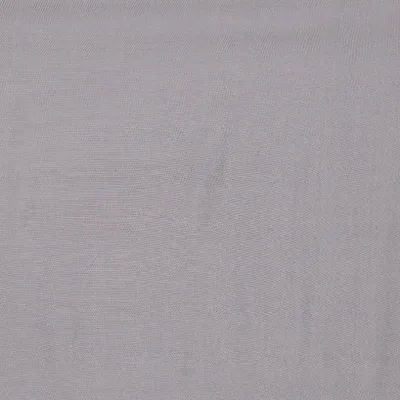
Woven viscose, grey
€6.45per 0.5 m
Unit price €12.90 / m