Guide: choosing the right ribbing fabric
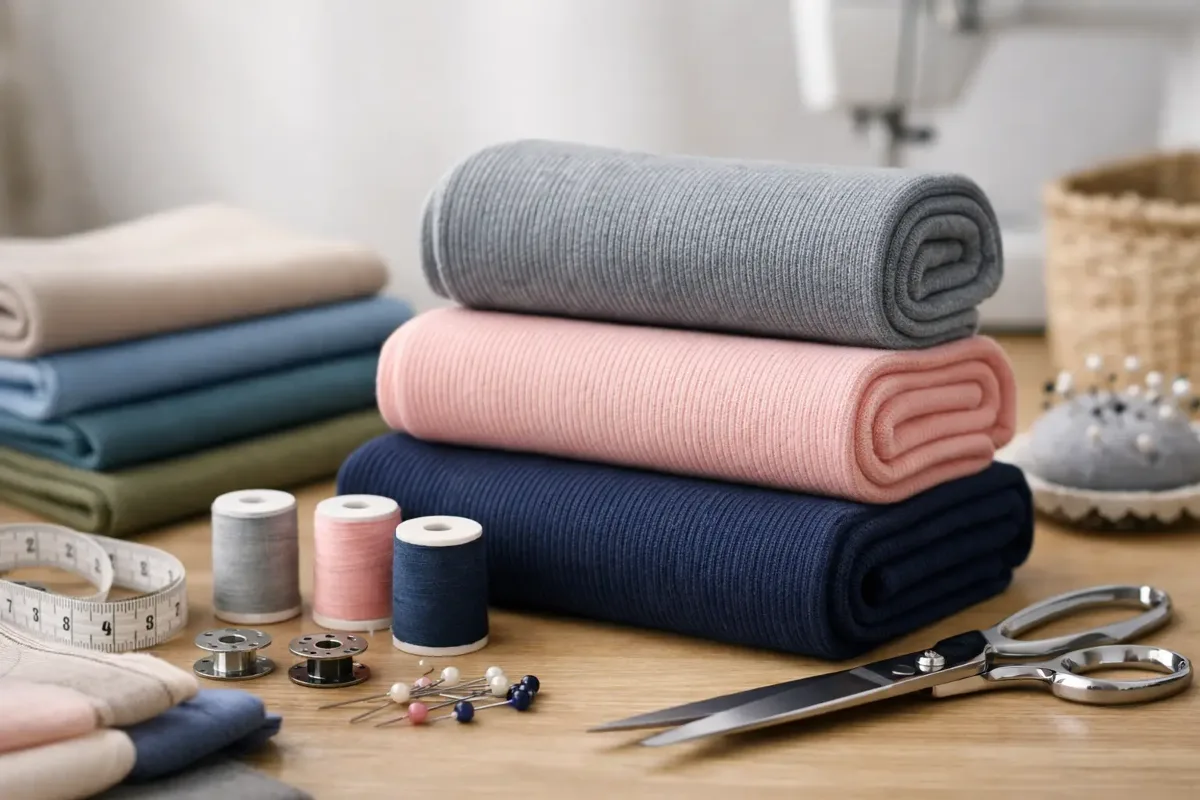
If you've ever sewn a top with a neckline that gaped, or harem trousers whose leg cuffs went baggy after two wears, you'll know that a good guide to choosing ribbing fabric saves not just time but often your nerves too. Ribbing looks straightforward at first glance, but it has a big say in how neatly a sewing project fits, how comfortable it is and how long it keeps looking good.
Why your choice of ribbing makes such a difference
Ribbing has one clear job: to finish edges neatly, stretch with you and then spring back into shape. That's exactly what sets it apart from many other stretch fabrics. Not every jersey automatically works as a substitute for ribbing, and not every ribbing suits every project.
With children's clothes, hoodies, tops, beanies or joggers in particular, you quickly notice how much it matters. If the fabric is too firm, the edge puckers unattractively. If it's too soft or not stretchy enough, the cuff soon looks floppy. So the right choice depends not only on colour but on stretch, recovery, width and the main fabric.
Choosing the right ribbing fabric – what really counts
When you're making your choice, it pays to look beyond the shade. The ribbing needs to suit the project and work well with the main fabric.
Stretch and recovery
The most important factor is elasticity. Ribbing should stretch noticeably and then return nicely to its original shape. This recovery is what stops neckbands, sleeve cuffs and trouser legs from bagging out.
For areas that take a lot of wear, such as on children's clothes, finely ribbed cuffs with good tension are often the best choice. They're comfortable, move with the body and cope well with frequent washing. For relaxed hem bands on casual wear, the ribbing can be a little softer, as long as it still holds its shape.
A simple hands-on test helps: gently pull the fabric apart with your hands. If it feels lively and keeps its shape, that's usually a good sign. If it stays limp after stretching or quickly looks worn out, it won't get any better once it's on the garment.
Fibre content
Many ribbing fabrics are made from cotton with elastane. This blend is very forgiving for most sewing projects, because it feels pleasant against the skin while providing the stretch you need. There are differences in handle and firmness, though.
A high cotton content often feels soft and natural. Elastane provides the stretch. What matters is how the two work together. Too little elastane can mean the ribbing doesn't spring back well. Very firm qualities, on the other hand, can feel too heavy on fine fabrics. For baby clothes, tops and lightweight jumpers, a soft, stretchy ribbing usually works better. For varsity jackets, sweatshirts or sturdier trousers, the fabric can be a bit more substantial.
Ribs, tubular knits and appearance
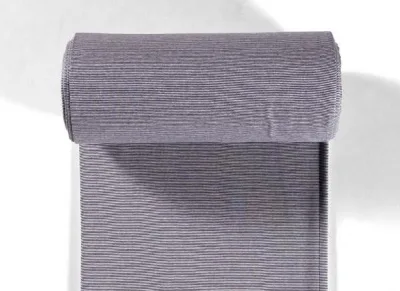
Classic ribbing fabric is usually ribbed. This rib structure adds extra stretch and gives the typical look. Depending on the project, you may want that, or you may prefer something deliberately more understated.
A lot of ribbing is sold as a tubular knit. That's handy, because you can cut sleeve or leg cuffs double straight away. At the same time, keep an eye on the width of the tube. For small children's sizes it's often ideal, but for wide hem bands or adult sizes, the available width can be a deciding factor.
The fineness of the rib also affects the look. A fine rib looks neat and modern, while a more pronounced texture comes across as sporty. Either can be right – it all depends on the style and the project.
Which ribbing suits which sewing project?
There's no hard-and-fast rule here, but there are a few reliable pointers.
For necklines on tops and baby bodysuits, you'll usually need a stretchy ribbing that isn't too thick. It should make the neckline lie flat without weighing it down. On jersey tops, a fine ribbing often looks more balanced than a very heavy quality.
On hoodies, sweatshirts and varsity jackets, the ribbing can be sturdier. At the sleeves and hem, a firmer fabric gives a good fit and that classic sporty finish. If the main fabric is thicker, such as summer sweat or sweatshirt fabric, don't choose a ribbing that's too delicate, or the transition will look uneven.
For harem trousers, baby trousers and leggings, soft, stretchy ribbing is especially popular. It doesn't dig in and, on children's clothes, often allows a bit of room to grow. But this is exactly where quality really shows. A very soft ribbing is comfortable, but it mustn't be so yielding that knee or ankle cuffs quickly go baggy.
Beanies, snoods and accessories have different requirements again. Here, ribbing can serve as a finishing band or a comfortable inner band. The key thing is that it feels nice against the skin and isn't too stiff.
Main fabric and ribbing should go together
A common mistake is choosing by colour alone. Of course the ribbing should look good, but it also has to get along with the main fabric.
A lightweight viscose jersey behaves quite differently from a firm French terry or a thick sweatshirt fabric. If you pair a fine, drapey fabric with a very firm ribbing, the edge can pull unevenly. Conversely, a soft ribbing on heavy sweatshirt fabric often lacks the tension it needs.
The surface finish plays a part too. Matt fabrics often go beautifully with understated ribbing. On sporty fabrics, the rib texture can be on show. If you like a really calm look, choose ribbing in a matching shade. If you want to add accents, you can deliberately play with contrast. On children's clothes in particular, bold cuffs and bands often look great, while on basics a tone-on-tone finish usually looks a little more refined.
The right length is almost as important as the right fabric
Even the best ribbing won't look good if it's cut wrongly. Many sewing patterns give a specific length for the ribbing. If yours doesn't, there's a rule of thumb: ribbing is usually cut slightly shorter than the edge it's being sewn to.
How much shorter depends largely on how stretchy the fabric is. Very stretchy ribbing often needs less length, because it can be pulled in well and then springs back neatly. Less stretchy qualities need to be cut a bit more generously. That's exactly why it's worth doing a quick test on a scrap before you sew it on.
If you're unsure, attach the ribbing with just a few pins or clips at first and check the tension. It should pull the edge into shape without gathering it. This is especially important on necklines.
Colour, combinations and everyday practicality
Choosing a colour for ribbing is often easier if you think not only about the finished garment but also about everyday life. Light-coloured cuffs on hard-wearing children's trousers look fresh but show signs of wear more quickly. Darker shades are often easier to care for.
If the main fabric is patterned, a plain ribbing usually brings a sense of calm to the project. With plain fabrics, on the other hand, the ribbing can be a deliberate eye-catcher. What matters is that the colour doesn't just work on the cutting table but also looks right when worn. A cool grey can look harsh next to a warm beige, whereas a muted shade often blends in more harmoniously.
When choosing online, it's a good idea to look not just at a colour's name but at how it actually comes across. Sand isn't the same as beige, and petrol isn't automatically a dark blue-green. With ribbing that sits right on visible edges, it really pays to take a close look.
Common mistakes when choosing ribbing fabric
Many problems don't start at the sewing machine but when you choose your materials. One of the most common pitfalls is a ribbing that matches in colour but doesn't have enough tension. You often only notice after the first wear.
Just as common is choosing a quality that's too thick for a delicate project. A baby top with a chunky neckband doesn't just wear differently, it often looks less neat too. The other way round, a very soft ribbing on heavy sweatshirt fabric can quickly look lost.
Another point is having the wrong expectations of substitute fabrics. Jersey can work in some cases, but it isn't a full replacement for proper ribbing. If the pattern specifically calls for ribbing, there's usually a good reason.
When it's especially worth asking for advice
If you're torn between two qualities or don't yet have a feel for the right firmness for a new project, a quick question is often worthwhile. Especially when combining a main fabric with ribbing, a small nuance can sometimes make all the difference to the result. At Die Stoffkönigin, this kind of practical support is part of the service for many customers – particularly when you're ordering online and would rather not guess.
How to make a good choice without endless head-scratching
Look at the project first, then at the main fabric, and only then at the colour. Ask yourself: should the ribbing sit softly or give firm shape? Will the garment be worn and washed often? Is the main fabric lightweight, medium-weight or fairly thick? With these three questions, a lot falls into place almost by itself.
If you then also look for good stretch, reliable recovery and a well-matched fabric weight, you're already very close to the right decision. And if you're torn between two options, the better choice is usually the one that doesn't just look good but takes the everyday life of your sewing project into account. That way, the finished piece won't just look lovely in the photo, but every time you put it on.
Matching categories
Matching products
Swafing Heike Fine Rib Ribbing Naturweiß 009
€4.75per 0.5 m
Unit price €9.50 / m
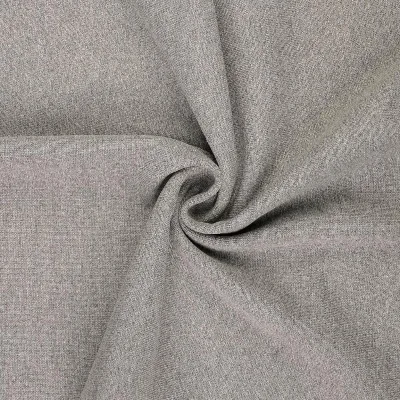
Fine Rib Cuffing Marled in Dark Grey Melange
€3.50per 1 m
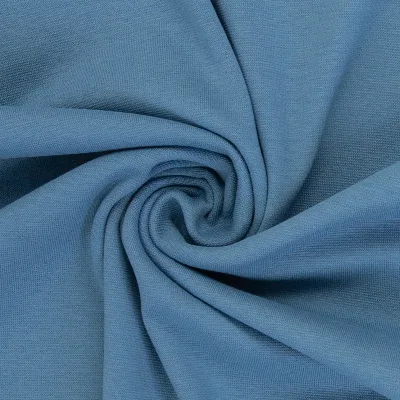
Swafing Heike Fine Rib Ribbing Rauchblau 258
€4.75per 0.5 m
Unit price €9.50 / m
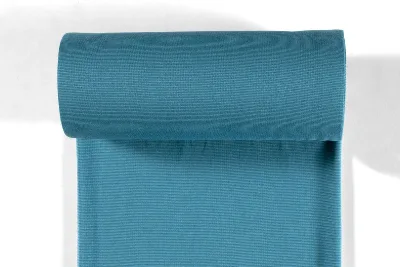
Bündchen Feinripp Petrol/Hellgrau
€5.90per 1 m
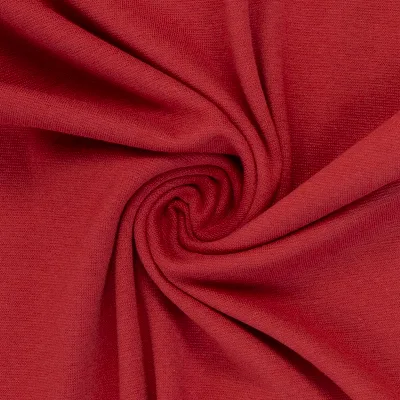
Swafing Heike Fine Rib Ribbing Rot 638
€4.75per 0.5 m
Unit price €9.50 / m
Bündchen Feinripp Dark Blue/White
€5.90per 1 m