Choosing Between Polyester and Viscose Embroidery Thread
A name embroidered on a school cone, a shimmering floral motif on a blouse or a logo on a towel: when it comes to polyester or viscose embroidery thread, colour isn't the only thing that shapes the result. The material affects sheen, feel and strength, and whether your design will still look just as lovely after many washes. Both threads have a firm place in the embroidery basket. What really matters is what you want to embroider and how the finished item will be used.
Polyester or viscose embroidery thread: the key difference
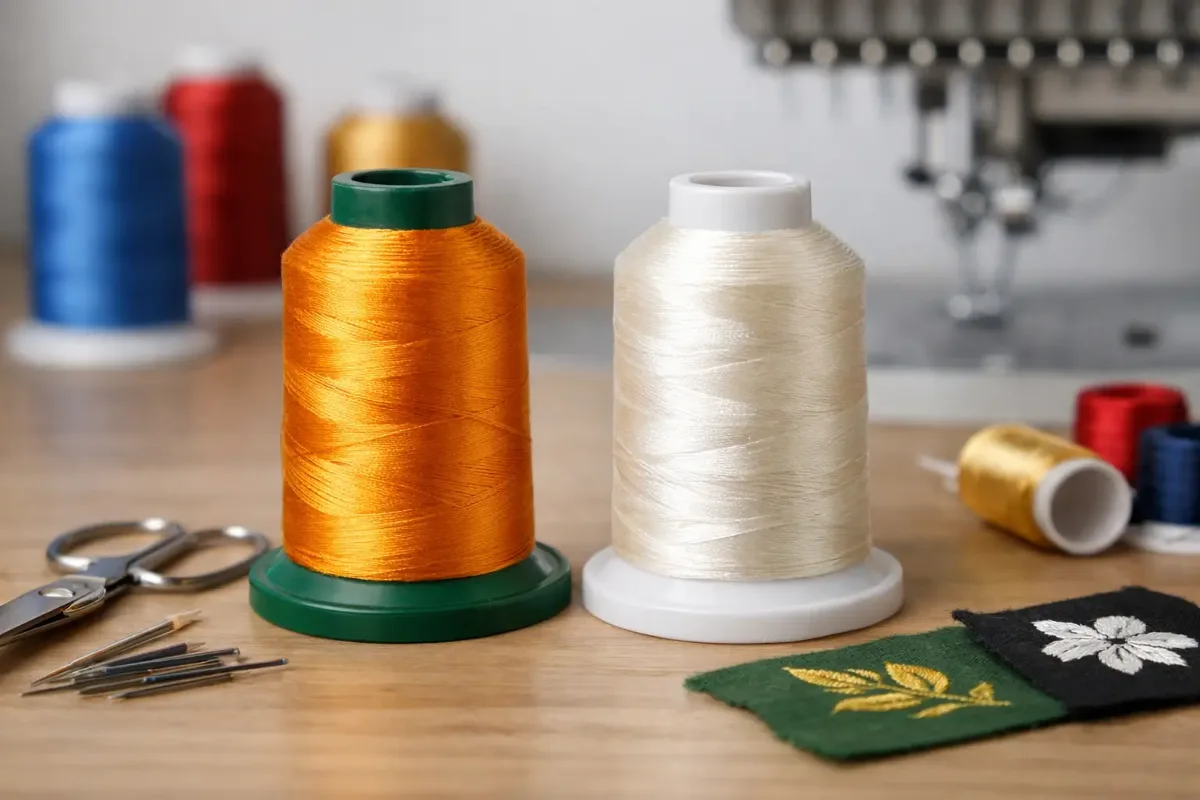
Viscose embroidery thread is often also called rayon embroidery thread. It's made from regenerated cellulose and is best known for its rich, soft sheen. The fibres reflect light beautifully, so fine lettering, floral motifs and decorative embroidery look especially vibrant. Viscose feels pleasantly soft and sits elegantly on many fabrics.
Polyester embroidery thread is a synthetic fibre. It usually looks a little crisper and more technical than viscose, but in return it's exceptionally hard-wearing. It copes better with friction, frequent washing and higher temperatures. Modern polyester embroidery threads are also available with a lovely sheen – at first glance, the difference from viscose is often smaller than you'd expect.
Both work well in an embroidery machine, as long as the needle, bobbin thread and tension suit the project. So there's no blanket answer to which is "better". The right choice depends on what you're making.
Viscose shines on fine, decorative designs
When the embroidery is the star of the show, viscose is often a particularly beautiful choice. The thread adds depth to multicoloured flowers, animal motifs or ornate monograms. Its silky character really comes into its own on adult clothing, special-occasion accessories, cushion covers and home décor.
Viscose also plays to its strengths on highly detailed designs: individual stitches look soft rather than harsh, and colour gradients appear finely graded. On lightweight woven fabrics, viscose fabrics or smooth cotton poplin, you'll get a high-end look.
In return, viscose needs a little more consideration when it comes to care. Very frequent hot washes, heavy friction or products containing chlorine can dull its sheen over time. That doesn't mean viscose embroidery thread is delicate. It will cope perfectly well with a normally cared-for blouse or decorative cushion. For items in constant use, though, it's worth looking at polyester.
Polyester wins for clothing that works hard
Polyester embroidery thread is the practical choice for anything that's worn, washed or used a lot. Think children's clothes, sports tops, workwear, towels, flannels, bags or rucksacks. The thread holds its shape, resists breaking and is colourfast. It stands up well even when a favourite hoodie ends up in the washing machine week after week.
Its excellent colourfastness is a real advantage, especially on dark or brightly coloured fabrics. After all, you want a design to look crisp and fresh even after many washes. Polyester is also very popular for embroidering on towelling: it copes well with the everyday use towels get and stays reliable.
If you sew and embroider children's clothes, you can usually reach for polyester with confidence. An embroidered car on a T-shirt, a name on a PE bag or a motif on a hat doesn't need to look immaculate – it should bring joy and last.
Which thread suits your project?
Before you hoop your fabric, ask yourself two simple questions: what effect do you want the embroidery to have? And what will the finished item have to withstand? The choice of thread often follows almost automatically.
For a party dress, a delicate blouse or a decorative cushion, let viscose shine. On a special gift, such as an embroidered make-up bag or a monogram on a fabric napkin, the soft thread looks especially thoughtful. It's well suited to projects where appearance and a fine feel come first.
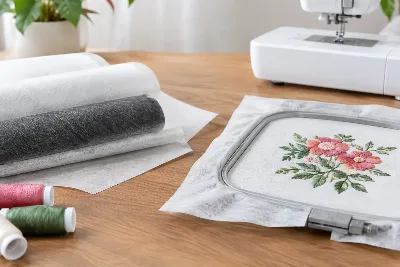
There's no hard-and-fast rule for babywear. On a top that gets washed often, polyester has clear advantages. On a keepsake that's only worn occasionally, viscose can look gorgeous. Also make sure the back of the embroidery is neatly finished. A suitable embroidery stabiliser and, if needed, a soft backing on the inside make the garment much more comfortable to wear.
With bags and accessories, it all depends on how they'll be used. A small clutch for a special occasion can be embellished with viscose. A shopping bag, a nursery rucksack or a well-used bum bag will benefit more from polyester. On sturdy fabrics such as canvas, a dense design is put under more strain anyway, because the fabric and embroidery rub against each other as they move.
The fabric has a say too
It's not just the thread – the base fabric has its say as well. On stretchy fabrics such as jersey or sweatshirt fabric, a good stabilising embroidery backing is essential. Without stabiliser, the stitches can pucker, whether you're using polyester or viscose. On fluffy fleece or towelling, a water-soluble topping on the right side stops fine details from disappearing into the pile.
Lightweight fabrics call for a restrained stitch density. A heavy design covering a large area can distort them or show through. Here, a small viscose motif often looks more elegant than a fully filled design. On sturdy cotton, canvas or softshell, however, designs can be bolder. For outdoor and rainwear, polyester is usually the obvious choice thanks to its durability.
With delicate fabrics, it's always a good idea to stitch a test sample on an offcut. It shows you not only whether you like the colour, but also whether the needle, stabiliser and thread tension work well together. This little test can save a lot of frustration – especially when your favourite fabric is already cut out.
Using it in your embroidery machine
Good-quality embroidery thread runs evenly and produces relatively little lint. Even so, it's worth giving your machine a quick check before starting a big project. Use a fresh embroidery needle, usually size 75/11, and a suitable machine bobbin thread. Bobbin thread is finer than the top thread and stops the back of the embroidery becoming unnecessarily bulky.
If the top thread shows on the back, the top tension may be too loose. If the bobbin thread is pulled up to the front, it may be too tight. Adjust the setting only in small steps and test on the same fabric with the same stabiliser. That way, you'll know for sure which change actually helped.
On some machines, viscose can react a little more sensitively to excessive tension because the thread is softer. Polyester is often more forgiving in everyday use, but it's no substitute for good settings. If your thread keeps breaking, check the threading path, the needle and any burrs on the needle plate first. The cause is often there rather than in the thread itself.
Choosing and combining colours wisely
Embroidery looks its best when thread colour and fabric are chosen to work together. Viscose shows colour especially vividly, and its sheen often gives a slightly shifting impression depending on the light. That's beautiful, but on very matt fabrics it can stand out more than you intended. So lay the reel of thread directly on the fabric and look at it in daylight.
Polyester also delivers intense colours but often looks a little more even. For crisp lettering on sportswear or children's clothes, that's an advantage. If you'd like to combine several types of thread in one design, do a test first. Different levels of sheen can create an exciting effect, but on a very uniform logo they may look uneven.
Tone-on-tone embroidery deserves attention too. A viscose thread in a shade just slightly lighter than the fabric can look very elegant on linen or cotton. On a well-worn sweatshirt, a tone-on-tone polyester design often stays clearly visible for longer.
Good care means lasting enjoyment
Always follow the fabric's care instructions first. The thread may be able to withstand heavy use, but that won't make a delicate fabric any more washable. Turn embroidered garments inside out before washing. This protects the surface from rubbing against zips, buttons or the drum.
Viscose embroidery thread stays beautiful for a long time with gentle washing. Avoid unnecessarily high temperatures and harsh bleach. Polyester has the edge when it comes to more frequent and vigorous washing, but even here a laundry bag will extend the life of small accessories. Where possible, iron on the reverse or place a cloth between the embroidery and the iron so the stitches don't get flattened.
At Die Stoffkönigin, you'll find embroidery supplies and materials for small one-off pieces as well as bigger sewing ideas. If you're unsure about thread colour, stabiliser or how it will work with your fabric, a short description of your project will help with choosing. The most beautiful embroidery doesn't come from the "right" thread on the label, but from a thread that suits your fabric, your idea and the life the finished piece will lead.
Matching categories
Matching products
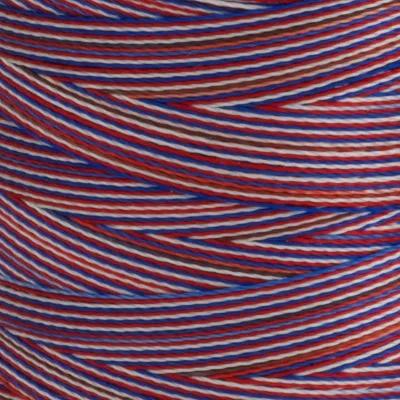
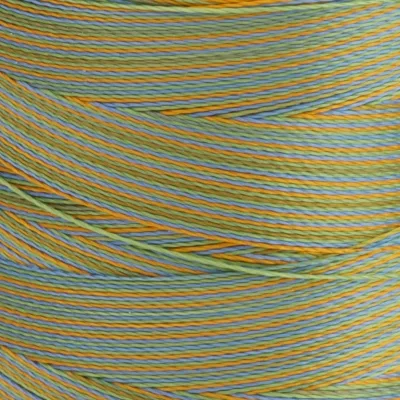
Sulky Rayon 40 Embroidery Thread 780 m Multicolour 2504
€6.90per piece
Unit price €0.01 / m
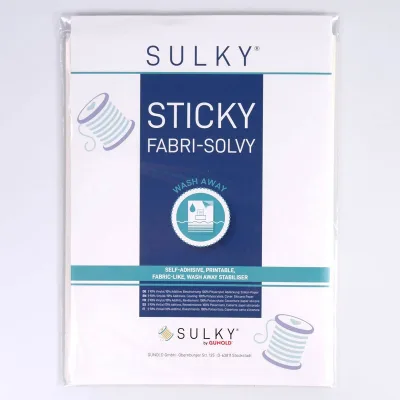
Sulky Sticky Fabri-Solvy 12 sheets 21.5 × 28 cm in White
€24.50per piece
Unit price €34.03 / m²
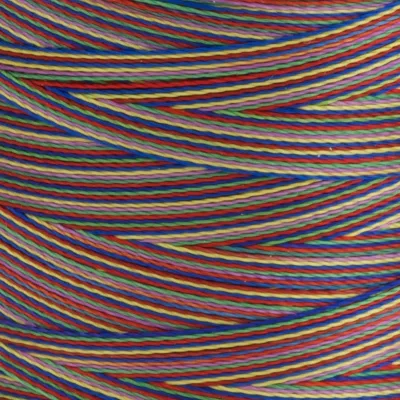
Sulky Rayon 40 Embroidery Thread 780 m Multicolour 2247
€6.90per piece
Unit price €0.01 / m
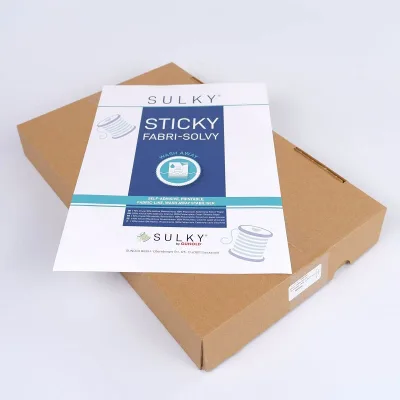
Sulky Sticky Fabri-Solvy 108 sheets 21.5 × 28 cm in White
€159.00per piece
Unit price €24.46 / m²
Sulky Rayon 40 Embroidery Thread 780 m Multicolour 2246
€6.90per piece
Unit price €0.01 / m
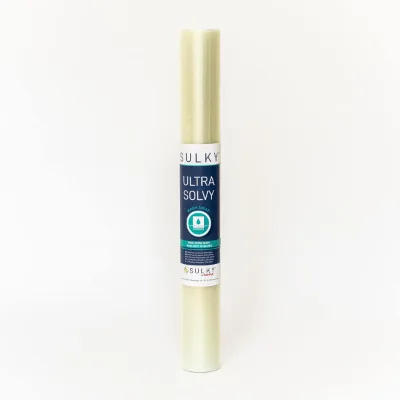
Sulky Ultra Solvy 50 cm × 25 m in Transparent
€63.00per piece
Unit price €5.04 / m²