Embroidering Towelling: How to Get Crisp, Clean Designs
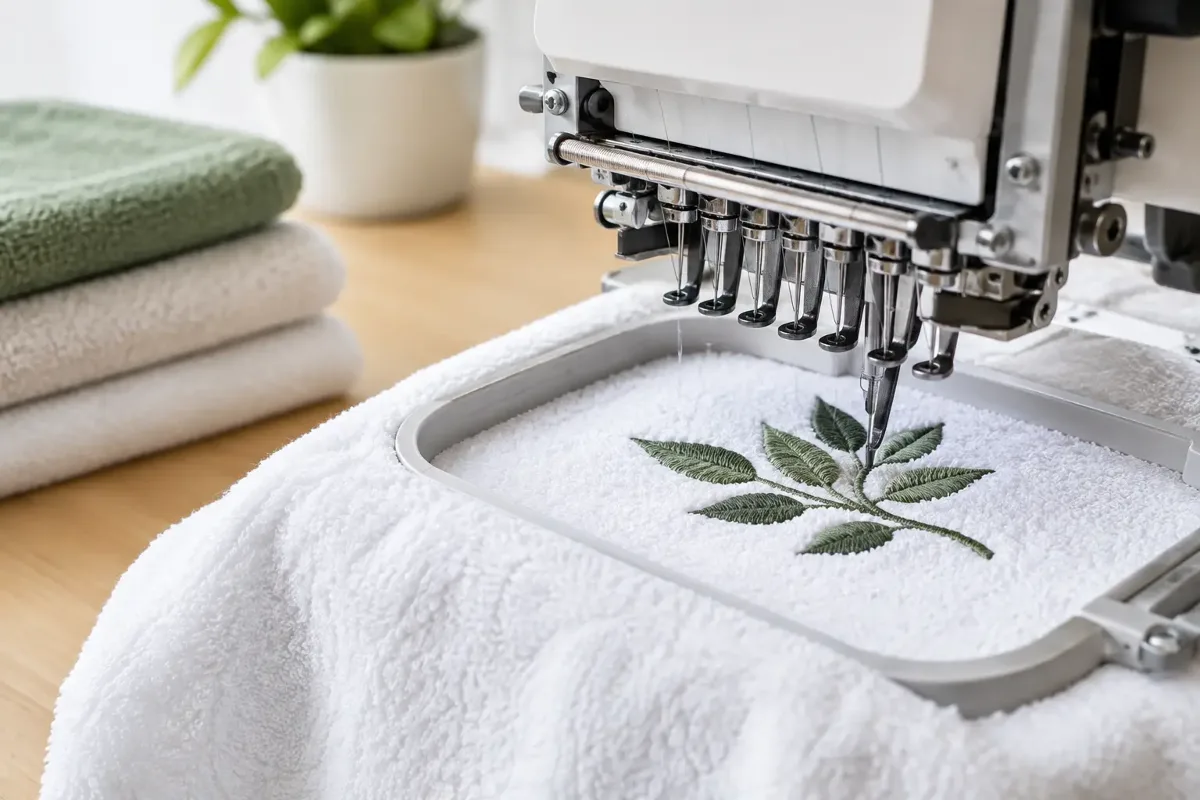
A name on a child's towel, a little animal on a flannel or a monogram on a guest towel: embroidering towelling turns a practical everyday item into a personal favourite. The fabric isn't always forgiving, though. Its soft loops quickly swallow fine details, and without the right stabiliser even a lovely design can look blurry. With a few suitable materials and calm, careful preparation, however, you can get great results at home.
Why towelling needs special attention when embroidering
Towelling is usually made from cotton or a cotton blend with lots of small loops. It's precisely this surface that makes it so absorbent, but it's also what makes embroidery tricky: the stitches can disappear between the loops. Small lettering, thin lines and very delicate designs in particular can lose their outlines as a result.
On top of that, towels, bibs and bathrobes get washed a lot. So your embroidery shouldn't just look pretty, it also needs to stay stable for the long haul. When embroidering towelling, the combination of the right stabiliser, good hooping and a fairly bold design matters more than an especially large range of thread colours.
The right materials for your embroidery project
For most towelling projects you'll need three things: a stabiliser for the back, a water-soluble topper for the front and good-quality embroidery thread. Which stabiliser works best depends on the weight of the fabric and what it will be used for.
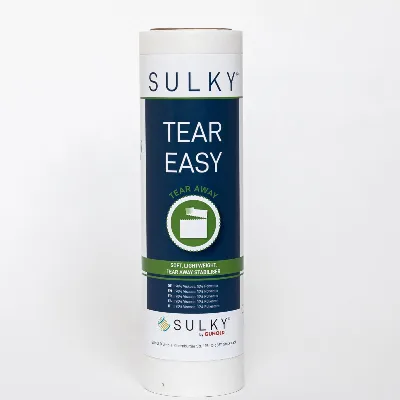
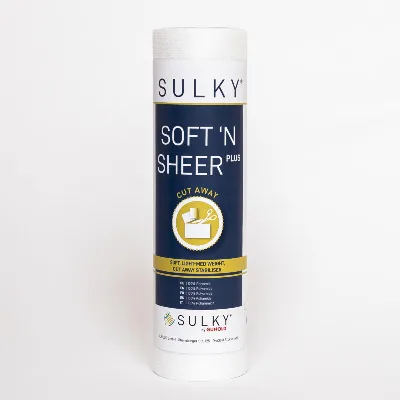
For an ordinary guest towel or a firm bath towel, a tear-away stabiliser is often a good choice. It supports the fabric while you stitch and can then be carefully torn away around the embroidery. For very soft, loose or stretchy towelling, a cut-away stabiliser is the safer option. It stays behind the design and stops it from distorting after many washes. It's particularly worth it on bathrobes and baby items, even if the stabiliser doesn't disappear completely afterwards.
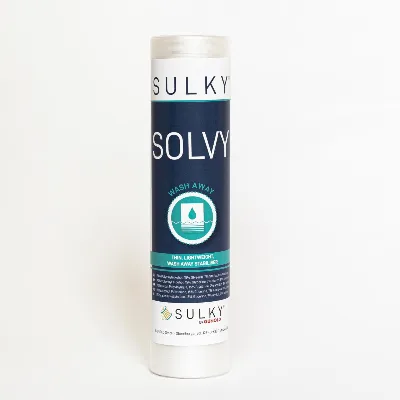
The water-soluble topping film goes on the right side of the fabric. It holds the towelling loops flat while you stitch, so the stitches sit visibly on top. Once you've finished, it's torn away or dissolved with a little water, depending on the product. This topper often makes all the difference with lettering and small details.
Classic polyester machine embroidery thread is ideal, as it's colourfast and stands up well to washing. Cotton embroidery thread looks more natural and suits a handmade look beautifully, but needs a little more care on towels that are used often. You should also use an embroidery needle that suits your thread. A fresh, sharp needle prevents skipped stitches and is gentle on the fabric's loops.
Choosing designs and lettering wisely
The fluffier the towelling, the bolder the design should be. Large initials, simple symbols, animals with solid filled areas and clear block lettering work more reliably than wispy script fonts. Small lettering can be digitised a little heavier so that it stays crisp and legible after washing.
When adding names to towels, leave enough space from the edge. The fabric is often thicker there because of the hems, and the hoop won't always sit flat. On bathrobes, it's worth checking beforehand whether the chest, pocket or back offers the best spot for your design. A washable fabric marker or a little tacking thread helps you find the centre accurately.
Embroidering towelling with an embroidery machine
An embroidery machine does a lot of the work for you, but preparation determines the result. If the finished piece will go in the washing machine regularly, it's best to pre-wash new towelling. That way the fabric can shrink before you embroider it, and your design stays where it should.
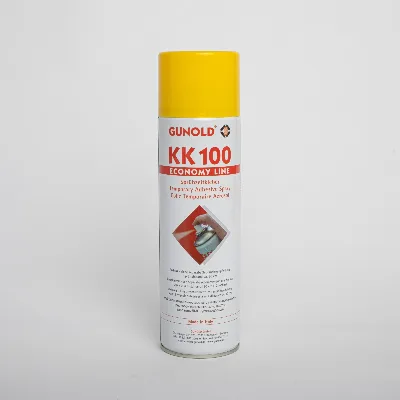
Hoop the stabiliser first. With delicate towelling, the fabric doesn't necessarily have to be clamped directly in the hoop. Many embroidery fans prefer to use temporary spray adhesive or a hooping aid here: the stabiliser is hooped, the towelling is smoothed flat on top and then secured in place. This avoids hoop marks. Always test the adhesive on a scrap first, though, especially with coated or very dark fabrics.
Place the water-soluble film on top and secure it with a few large tacking stitches or your machine's basting function. Make sure the fabric and film lie flat but aren't stretched. If towelling is hooped under tension, it can pull in once you remove it from the hoop, leaving the design looking wavy.
Start at a reduced speed if you can. This is especially sensible with thick towels, because the machine runs more smoothly and you'll spot straight away if the film or fabric starts to shift. Once the stitching is done, carefully take your project out of the hoop. Roughly tear away the film first, then remove any remaining bits with a damp cloth or according to the manufacturer's instructions. On the back, trim or tear tear-away stabiliser close to the embroidery without pulling on the stitches.
Hand embroidery: lovely for small accents
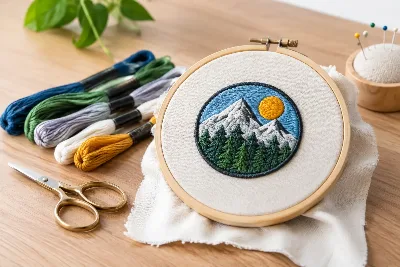
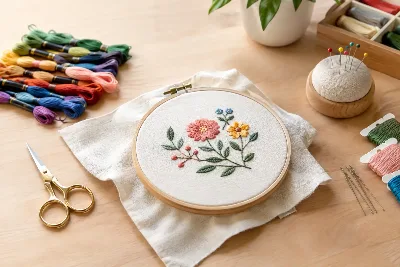
You can decorate towelling without an embroidery machine, too. For a monogram, a little heart or a simple symbol, all you need is an embroidery hoop that holds the fabric without squashing it. When hand embroidering, place a lightweight stabiliser on the back as well. It stops the stitches sinking deep into the loops.
For beginners, simple satin stitch, backstitch or a bold stem stitch are good choices. Work with a few clear stitches rather than tiny details. For thicker towelling, a slightly sturdier needle helps it glide cleanly through the fabric and stabiliser. A thimble can make working through several layers much more comfortable.
If the back will be against the skin, as with a baby towel or bathrobe, avoid leaving long thread jumps. They can snag or scratch. Secure your thread carefully and keep the back as smooth as possible.
Common problems and what really helps
If your design disappears into the pile, it's usually because the water-soluble topper is missing or the design is too fine for the fabric. An extra layer of film can help with very deep-pile towelling. A slightly higher stitch density also gives better coverage, but only in moderation: too many stitches make the design stiff and can cause the fabric to pucker.
If you get ripples around the embroidery, the fabric was often stretched too tightly or the stabiliser was too light. Next time, use a sturdier cut-away stabiliser and lay the towelling down in a more relaxed way. For large designs, a double layer of stabiliser can be useful. This applies especially to heavy bath towels and fluffy bathrobes.
If the top thread keeps breaking, check the needle, threading and thread tension. Because of its surface, towelling creates a little more resistance than smooth woven fabric. A blunt needle, poor-quality thread or too high a speed will therefore show up more quickly. A small test piece in the same towelling saves frustration and precious material.
Towelling projects that are especially worthwhile
Embroidered towels are a great place to start, as they offer a large enough, flat area. For children, hooded towels with a name or animal design work well, while single initials look particularly elegant on guest towels. Flannels with little symbols even help children recognise their own spot in the bathroom.
Bibs, bath ponchos, face towels, sauna towels and bathrobes can all be personalised, too. For gifts, the design can be as personal as you like: a wedding date, a nickname or a little symbol that only means something to the recipient. Choose your thread colour not just by taste but for contrast as well. Darker shades stand out nicely on light towelling, while white, cream or a pale pastel often look especially lovely on bold colours.
If you're putting together towelling, embroidery supplies and matching threads for a project, you'll find plenty of options for big and small ideas at Die Stoffkönigin. Take time to stitch a test piece before you start – and a simple towel will turn, quite effortlessly, into a lovingly embroidered one-of-a-kind piece.
Matching categories
Matching products
Sulky Solvy 25 cm × 10 m in Transparent
€14.00per piece
Unit price €5.60 / m²
Sulky Tear Easy 25 cm × 10 m in White
€10.50per piece
Unit price €4.20 / m²
Sulky Soft´n Sheer Plus 25 cm × 5 m in White
€13.90per piece
Unit price €11.12 / m²
Gunold KK 100 Economy Temporary Spray Adhesive, 500 ml
€13.50per piece
Unit price €27.00 / l
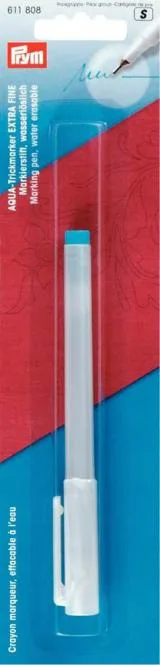
Prym marking pen in Turquoise
€8.20per piece
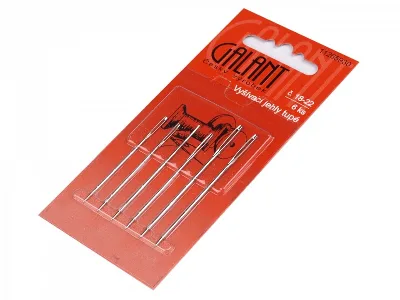
Sticknadel Set
€1.90per piece