Interfacing for Reinforcement: Which Interfacing Suits Which Fabric?
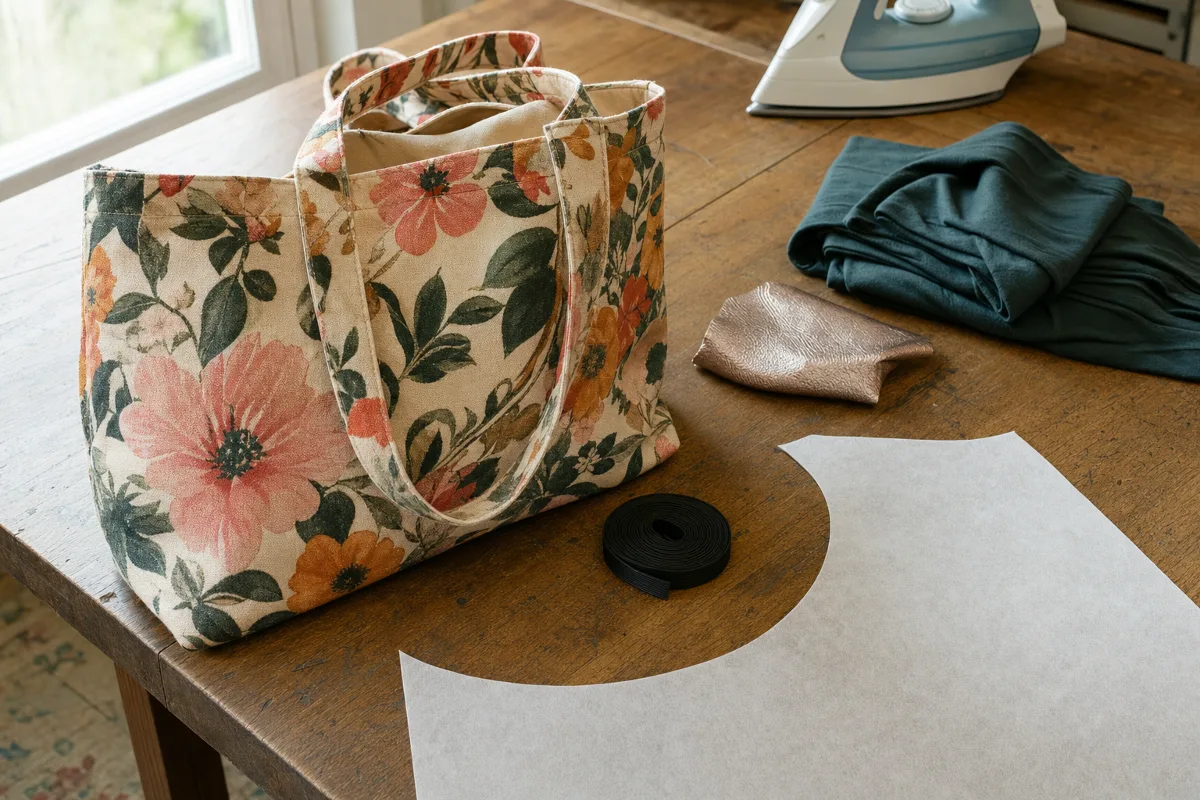
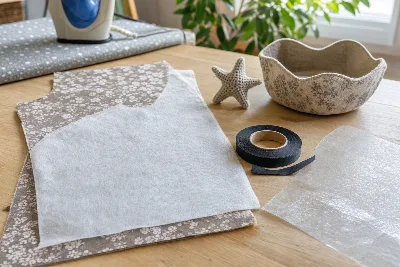
Image created with AI
Which interfacing you use for reinforcement depends mainly on your main fabric. Woven fabrics such as canvas or Halbpanama can take an all-over iron-on interfacing, for example our Vlieseline H310. With jersey that can be ironed, you stabilise edges and seams in a targeted way with seam tape rather than stiffening the whole piece. Faux leather must not be ironed, so iron-on interfacing is ruled out here.
The most important rule first: check the care label on your fabric. If it says ‘Do not iron’, any iron-on interfacing is off limits, however well it might otherwise suit.
Fabrics and reinforcement at a glance
The table shows the fabrics mentioned here and which type of reinforcement suits them.
| Fabric | Use | Stretch | Weight | Suitable reinforcement |
|---|---|---|---|---|
| Nara cotton jersey by Swafing | Tops, children's clothing | stretchy | approx. 210 g/m² | no iron-on interfacing; use a double layer or sewn-in reinforcement |
| Pia rib jersey by Swafing | Tops, ribbing | stretchy | approx. 230 g/m² | no iron-on interfacing; use a double layer or sewn-in reinforcement |
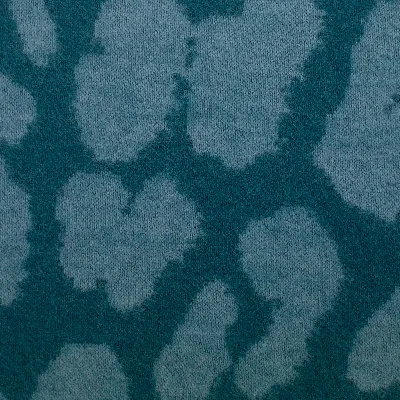
| Emily jacquard jersey by Swafing | Jumpers, dresses | stretchy | approx. 220 g/m² | seam tape on edges and seams |
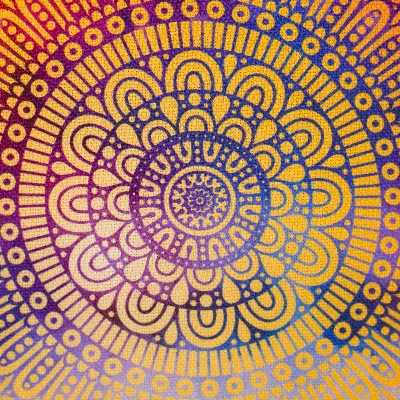
| Doha canvas by Swafing | Bags, home décor | non-stretch | approx. 230 g/m² | all-over iron-on interfacing such as H310 |
| Halbpanama home décor fabric | Home décor, bags | non-stretch | approx. 200 g/m² | all-over iron-on interfacing such as H310 |
| Rex Metallic faux leather by Swafing | Bags, accents | minimal | approx. 400 g/m² | no iron-on interfacing; the material provides its own structure |
| Debbie faux leather by Swafing | Bags, cushions | minimal | approx. 295 g/m² | no iron-on interfacing; hold in place with adhesive tape |
Woven fabric: canvas and Halbpanama
Woven fabrics give you the most freedom. Our Doha canvas by Swafing is 100% cotton and weighs around 230 g/m². That gives a bag a certain amount of body on its own, but with iron-on interfacing it gets the structure you want for a tote or a make-up bag. The Halbpanama home décor fabric, made from 80% cotton and 20% polyester, is slightly lighter at around 200 g/m² and so benefits even more noticeably from interfacing.
Vlieseline H310
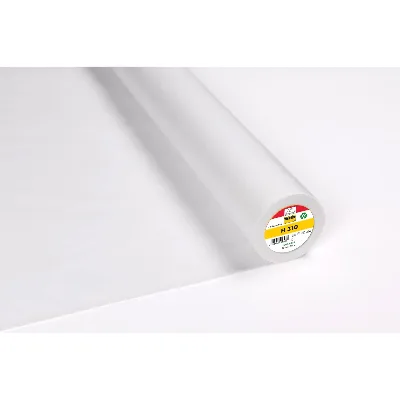
Vlieseline H310 is made from 100% R-PES, i.e. recycled polyester, and is 90 cm wide. It is ironed on and can then be washed at 30 °C. It needs a medium temperature to fuse. The two woven fabrics in the table, however, should only be ironed at a low temperature. So place a pressing cloth in between and test on an offcut first: if the interfacing bonds well and the main fabric is undamaged, you're good to go.
How to iron on the interfacing:
- Cut the interfacing without seam allowance or slightly smaller than the fabric piece so the seams don't become unnecessarily bulky.
- Place the coated, slightly rough side on the wrong side of the fabric.
- Put the iron down, press without steam, lift and move on – don't slide it back and forth.
- Let the piece cool lying flat before you move it.
You can read in detail how to combine different interfacings for bags in our guide Which interfacing really works for bags?. For choosing the right needle for thicker layers, the article Which needle for canvas will help you.
Jersey: stabilise edges rather than stiffening the whole piece
Jersey is all about stretch. An all-over, non-stretch interfacing would destroy exactly that quality and make the piece wavy or as stiff as a board. With jersey, it's therefore almost always about targeted reinforcement: shoulder seams that shouldn't stretch out, edges under a zip or the area behind buttonholes.
Ironable jersey with seam tape
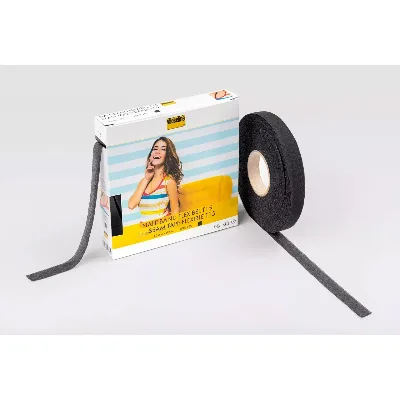
Our Emily jacquard jersey by Swafing is 100% cotton, weighs around 220 g/m² and can be ironed at a low temperature. The Vlieseline Flexibel T15 seam tape is a good match here. It is 15 mm wide, made from 100% polyester and is also ironed on at a low temperature – so fabric and tape tolerate the same heat. The black colour is handy for dark fabrics because nothing shows through.
Jersey labelled ‘Do not iron’
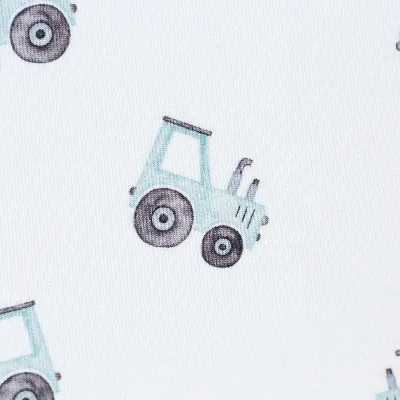
The Nara cotton jersey by Swafing, made from 95% cotton and 5% elastane, and the Pia rib jersey both carry the care instruction ‘Do not iron’. That rules out iron-on interfacing and iron-on tape. If you need more support in one spot, use a double layer of fabric or sew in a reinforcement instead of ironing it on. Our guide Which needle for jersey? explains which needle is kind to the knit.
Faux leather: hold in place instead of ironing
At around 400 g/m², the Rex Metallic faux leather by Swafing already has so much firmness that many bag pieces need no additional interfacing. The Debbie faux leather with its quilted look is lighter at around 295 g/m². Neither may be ironed, as the heat would damage the surface.
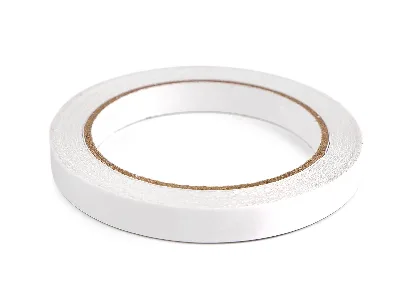
What helps with faux leather is holding the layers neatly in place: pins leave permanent holes. With double-sided fabric tape you can keep layers, pocket flaps or piping in position until the seam is sewn. If you're combining faux leather with canvas, only reinforce the canvas pieces with iron-on interfacing.
Common mistakes
- Ignoring the care label: Iron-on interfacing on fabric that mustn't be ironed ruins the piece as soon as you fuse it.
- Fusing without a test: You'll only see how fabric and interfacing react together on an offcut – not on the finished cut piece.
- Interfacing with full seam allowance: The seams become unnecessarily bulky and are hard to turn.
- Sliding the iron: Moving it back and forth distorts the interfacing and causes wrinkles.
- Moving it too soon: While the adhesive is still warm, the interfacing easily comes away again.
- Rigid interfacing on jersey: The fabric loses its stretch and the seams later tear where the two meet.
Would you rather hold the fabric and interfacing in your hands before deciding? In our shop in Neumarkt-Woffenbach you can compare both side by side.
Frequently asked questions
Which interfacing should I use for bags?
For bags made from canvas or Halbpanama, an all-over iron-on interfacing such as Vlieseline H310 is suitable. For more volume or a very firm structure, combine several interfacings – our guide to interfacing for bags explains which ones.
How do I reinforce the base of a bag?
The base carries most of the weight. A tried-and-tested approach is to sew the base piece double in addition to the iron-on interfacing, or to insert a firm base board between the outer fabric and the lining that you can take out when the bag is washed.
Can I iron interfacing onto jersey?
Only if the jersey can be ironed, and then preferably as a narrow tape along edges and seams rather than all over. That way the fabric keeps its stretch.
Which side of the interfacing goes on the fabric?
The adhesive side. You can recognise it by the small shiny dots or the slightly rough surface. It always goes on the wrong side of the fabric, otherwise it will stick to the iron.
How do I get fused interfacing off my iron?
Remove adhesive residue with an old cotton cloth while the iron is still warm. To stop it happening in the first place, lay a pressing cloth or baking paper over the pieces when fusing.
Matching categories
Matching products
Double-Sided Fabric Tape, 12 mm, 18 m
€10.90per piece
Unit price €0.61 / m
Vlieseline hemming tape T15 15mm in Black
€0.68per 0.5 m
Unit price €1.35 / m
Vlieseline fusible interfacing H310 in White
€4.75per 0.5 m
Unit price €9.50 / m
Cotton Jersey Nara Tractors on White by Swafing
€8.45per 0.5 m
Unit price €16.90 / m
Cotton Jacquard Jersey Emily Leopard Smoke Blue on Petrol by Swafing
€9.45per 0.5 m
Unit price €18.90 / m
Canvas Doha Mandalas Pink/Purple by Swafing
€7.45per 0.5 m
Unit price €14.90 / m
Faux Leather Rex Metallic Solid Black by Swafing
€7.95per 0.5 m
Unit price €15.90 / m