Which interfacing for bags really works?
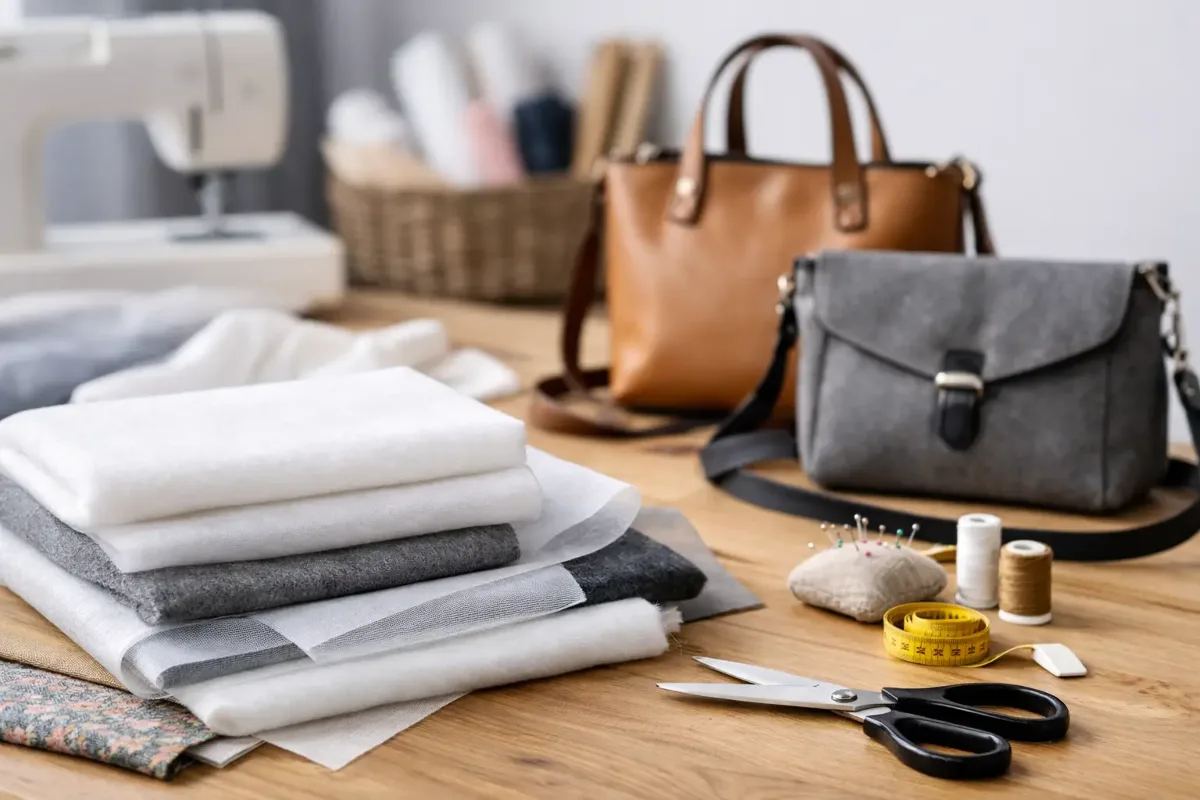
A bag stands or falls with its interfacing – and that’s exactly why the question “which interfacing for bags?” is no small matter. If the outer fabric is lovely but the finished bag slumps in on itself, turns out too stiff or creases awkwardly at the corners, the wrong reinforcement is almost always to blame. The good news: with a few clear ground rules, you’ll find the right solution much more quickly.
Which interfacing for bags – what matters?
Before you settle on a particular product, it’s worth taking a closer look at the project itself. After all, not every bag is meant to look or feel the same. A casual fabric bag can drape softly, while a shopper, a make-up bag or a handbag usually needs more structure.
Three things matter most: the outer fabric, the shape you want and how much wear the bag will get day to day. Lightweight cotton needs different support from canvas, faux leather or coated fabrics. Then there’s the question of whether the bag should be soft, hold its shape or be properly firm. Getting this clear from the start will save you a lot of frustration at the sewing machine.
When sewing their first bag pattern, many people simply fuse on “any old” interfacing – often whatever happens to be in the drawer. That sometimes works, but not reliably. With bags in particular, it pays to choose your interfacing deliberately, because it has a big influence on shape, feel and durability.
The key differences between bag interfacings
In everyday sewing, several terms tend to get muddled up: interfacing, stabiliser, pelmet interfacing, fusible fleece. They don’t always mean the same thing – but for bags, the difference matters.
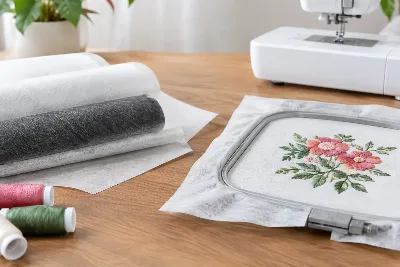
Classic iron-on interfacings give fabric more stability without adding much padding. They’re ideal when the bag should keep a clearer shape but still be easy to sew. Pelmet interfacings are considerably firmer and come into play when you want real structure, for example for fabric baskets, cases or bags with a sturdy body.
Fusible fleece does a different job again. It makes the bag softer, more tactile and slightly padded – you’ll know this from changing bags, make-up bags, quilted bags or camera bags. The fabric feels fuller, but not automatically stiffer. This is exactly where many people go wrong.
So when you’re wondering which interfacing is right for bags, start by asking yourself: do you need more structure or more loft? It sounds similar, but it makes a big difference to the result.
For soft bags: flexible rather than board-stiff
Not every bag has to stand upright on the table. With drawstring bags, simple fabric shoppers or slouchy everyday bags, too much stiffness quickly looks unnatural. Light to medium interfacings are often the better choice here.
Especially with cotton woven fabric or light canvas, a softer iron-on interfacing stops the fabric looking limp while still letting it drape nicely. This is often the most forgiving option for beginners, too, because the pieces are still easy to sew right sides together, turn out and topstitch.
If you’d like a little more body as well, a thin fusible fleece can be a good idea. It makes the bag nicer to hold without making it unnecessarily stubborn to sew. For a casual reversible bag or a lightly padded project bag, that’s often just right.
For shoppers, handbags and rucksacks: plan for more structure
As soon as a bag needs to carry weight and keep its shape, a very soft interfacing usually isn’t enough. This applies especially to larger shoppers, rucksacks, handbags with a base, or zipped designs that shouldn’t collapse in on themselves.
Here, the interfacing can be firmer. Medium to heavy iron-on interfacings or pelmet interfacings are often the better choice. They stabilise side panels, flaps and above all the base. The bottom of a bag in particular takes a lot of strain in everyday use – if it isn’t reinforced enough, the shape soon gets pulled out.
Getting the balance right is important, though. Bags sewn too stiff may look very neat at first, but they can be hard to turn out, difficult to topstitch and uncomfortable to use. With several layers of fabric, lining, zip and webbing, the bulk soon adds up – and then less is often more.
Which interfacing for bags made of cotton, canvas or faux leather?
The outer fabric plays a big part in the decision. Thin cotton usually needs more support, because the fabric itself has little body. Medium iron-on interfacings, or a combination of interfacing and fusible fleece, often work very well here.
Canvas is already more stable, so it doesn’t automatically need the heaviest interfacing. For a simple shopper in sturdy canvas, moderate reinforcement in the areas that take the most strain is sometimes enough. If the bag needs to stand up really firmly, you can reinforce the base separately rather than making every pattern piece unnecessarily stiff.
Take care with faux leather, coated cotton or outdoor fabrics. Not every interfacing can be ironed on to them without problems, and not every fabric copes well with heat. In such cases, the reinforcement is often applied to the lining instead, or sew-in (non-fusible) interfacings are used. A test piece is especially important here.
Cork fabric and bag fabrics with special surfaces are also more delicate. If you work directly on the main material, you risk pressure marks, shine or distortion. It’s better to take the material’s properties seriously and choose your interfacing to match.
Good solutions for typical bag projects
For a simple tote bag, a light to medium interfacing is usually enough – or even none at all if you deliberately want a soft drape. For a classic shopping bag, a medium interfacing helps make it sturdier and less likely to stretch out of shape.
Make-up bags often benefit from fusible fleece, which gives them a lovely tactile, lightly padded feel. If the bag should also stand up well, you can combine fusible fleece with a firmer interfacing. This combination is very popular for project bags, too.
Handbags with a flap, a base and firm sides usually need more structure. Here it’s worth reinforcing different parts differently: the body medium to firm, the flap a little softer depending on how you want it to fall, and the base especially sturdy. This graded approach is often what makes the difference between “homemade” and “beautifully finished”.
With rucksacks, the strain of carrying weight comes on top of keeping the shape. Shoulder straps, base and back panel can therefore be reinforced more heavily than side panels or pockets. That way, the project stays practical for everyday use without becoming needlessly bulky.
Combine interfacings rather than reinforcing everything the same
A common mistake is to fuse the same interfacing onto the entire bag. It’s convenient, but it doesn’t always make sense. Different parts of a bag do different jobs.
The base often needs far more stability than the top edge. A zip panel should lie smoothly without creasing. An outer pocket can stay soft enough to remain easy to use. That’s why it’s often smarter to work with two interfacings rather than forcing a single all-purpose solution.
It sounds like more work, but it usually gives a much better result. Especially if you sew bags regularly, it’s worth looking at interfacings in terms of what they do, not just their product names.
Test first, then cut
Unspectacular as it sounds, a test piece can often save the whole project. Iron a small piece of interfacing onto your actual fabric and really get a feel for the result. Fold it, turn it, lay two layers on top of each other. Only then will you see whether the combination is too soft, too thick or just right.
How the interfacing behaves also plays a part. Some become pleasantly stable once fused, others rather papery. Some fabrics gain structure, others just get heavier. That’s exactly why there’s no single answer to “which interfacing for bags?” that suits every project.
If you’re unsure, start on the moderate side. You can often add more stability later in specific places, such as the base or individual pieces. Getting a bag that’s far too stiff to soften up again is much harder.
Common mistakes with bag interfacing
Many problems only show up right at the end. The bag is hard to turn out, the corners are bulky, the seams become inaccurate or the project ends up stiffer than intended. Often it wasn’t the sewing pattern that caused the trouble, but the interfacing.
Just as often, there’s too little reinforcement. After a few days of use the bag looks tired, the base sags and the fabric pulls out of shape where the straps are attached. Especially for bags that will really be used, the interfacing shouldn’t just look good – it needs to stand up to everyday life.
If you think about fabric, pattern and the effect you want together, choosing becomes much easier. A good overview of the range helps far more here than any one-size-fits-all recommendation. At Die Stoffkönigin this is especially handy, because you can match materials and projects to each other much more directly.
In the end, your bag can turn out exactly the way you need it: soft, firm, lightly padded or properly structured. When the interfacing suits the fabric and the purpose, the project is usually more relaxed to sew – and later feels just as good as it looks.
Matching categories
Matching products
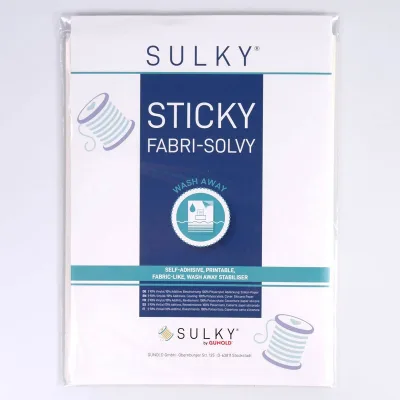
Sulky Sticky Fabri-Solvy 12 sheets 21.5 × 28 cm in White
€24.50per piece
Unit price €34.03 / m²
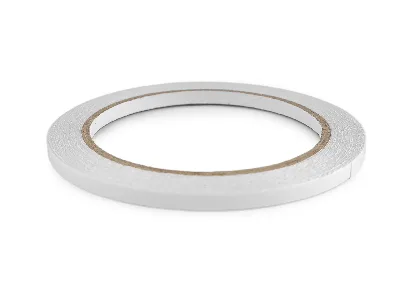
Double-Sided Fabric Tape, 5 mm, 18 m
€6.90per piece
Unit price €0.38 / m
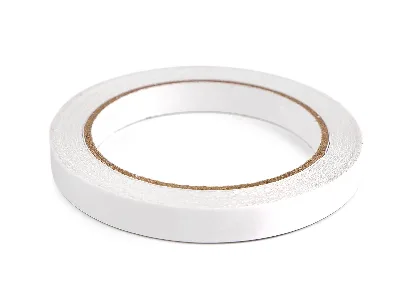
Double-Sided Fabric Tape, 12 mm, 18 m
€10.90per piece
Unit price €0.61 / m
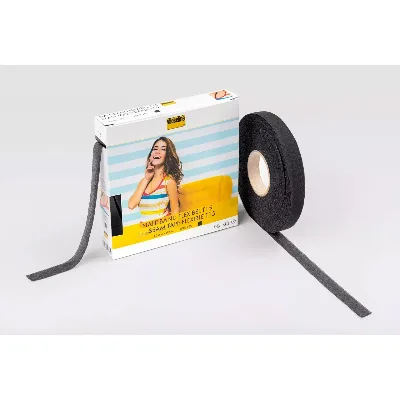
Vlieseline hemming tape T15 15mm in Black
€0.68per 0.5 m
Unit price €1.35 / m
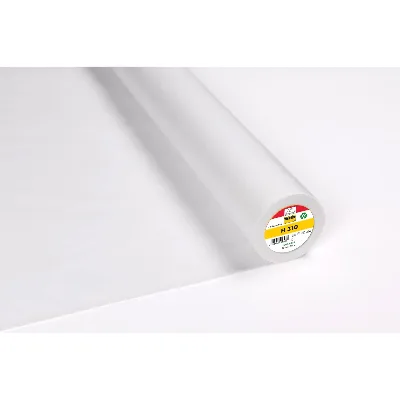
Vlieseline fusible interfacing H310 in White
€4.75per 0.5 m
Unit price €9.50 / m
Prym hemming tape in White
€11.50per piece