The best fabrics for sewing Advent calendars
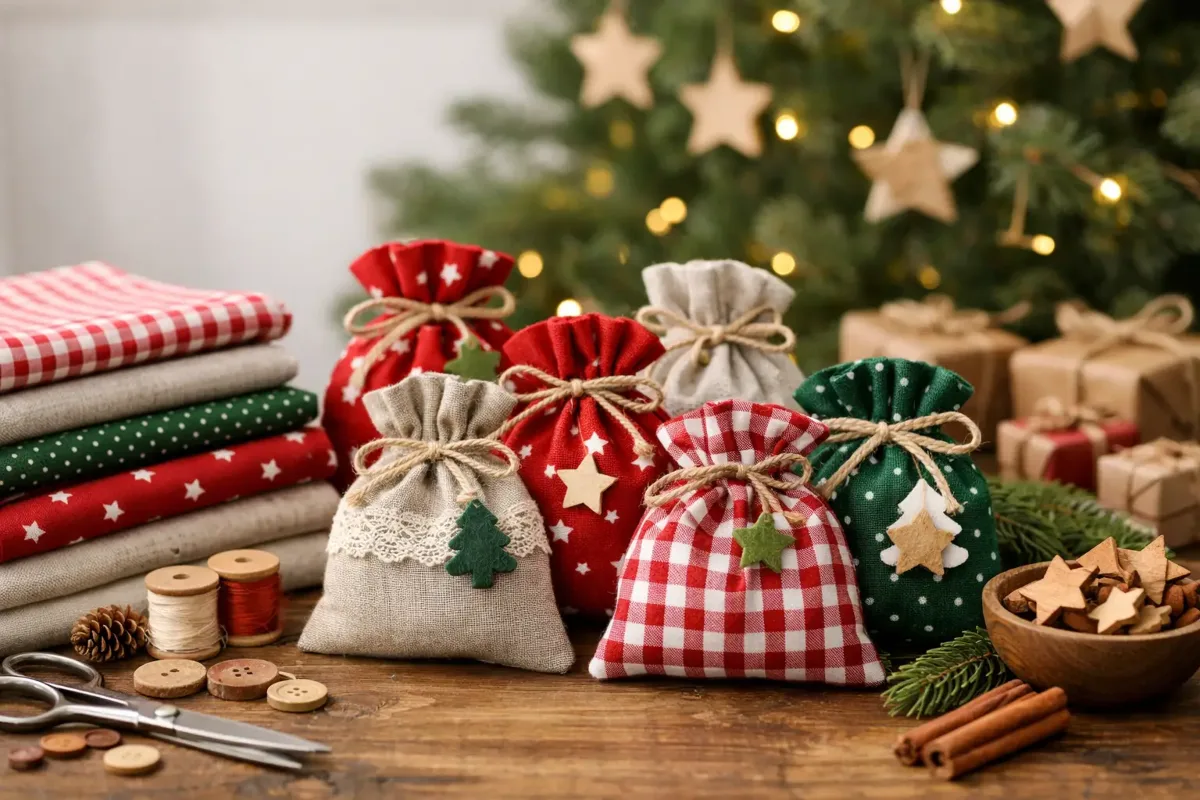
An Advent calendar is sewn in November and often accompanies the family through December for many years. That is exactly why it pays to look beyond a pretty print when choosing your fabric. The best fabrics for Advent calendars combine a pleasant feel with enough stability, are easy to work with and suit the kind of calendar you want to sew: little pouches, patch pockets, stuffed fabric houses or large bags hanging from a branch.
The best fabrics for Advent calendars: what matters
An Advent calendar fabric doesn't have to be indestructible, but it should cope well with being opened, filled and hung up every day. Calendars for children in particular get a lot of handling: the pouches are touched, unpacked and brought out again the following year. Thin, very loosely woven fabrics can quickly lose their shape or give way at the seams.
So the key factors are fabric weight, weave and the format you have in mind. Small drawstring pouches don't need heavy upholstery fabric. For large pockets that hang on a backing panel and might hold a small toy, on the other hand, a sturdier fabric is far more practical. The contents play a part too: a lightweight cotton is fine for chocolate, while books, figures or little surprises call for canvas or a reinforced home décor fabric.
When it comes to colour, almost anything you love will work. Classic combinations of red, green, natural and gold look festive, while muted winter shades, Scandinavian prints or colourful fabric scraps give a calendar a very personal touch. With patterned fabrics, small to medium motifs are usually more rewarding than very large-scale prints, because you want the stars, animals or branches to actually be visible on a small bag.
Woven cotton for pouches and small bags
Woven cotton is the most straightforward choice for many Christmas sewing projects. It cuts cleanly, and although the edges fray a little, it holds its shape while you sew and is easy to handle even for beginners. That makes it a reliable classic for 24 little pouches.
Lighter cottons are particularly suitable if the bags will only hold sweets, vouchers or little messages. If you'd like to line the pouches, you can use a patterned fabric on the outside and a calm, colour-coordinated cotton on the inside. This looks neat and hides the seam allowances at the same time.
Another advantage: woven cotton comes in a huge range of Christmas prints, plains and coordinating fabrics. If you don't want to sew 24 identical bags, you can mix several fabrics harmoniously. A recurring colour – such as natural, dark green or red – makes sure the calendar still looks like one cohesive project despite the different patterns.
Poplin and patchwork fabrics for fine details
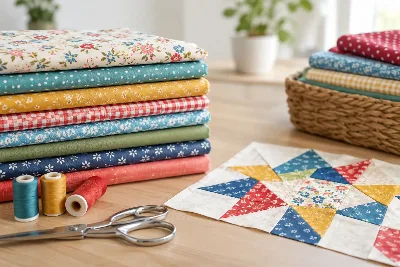
Poplin and many patchwork fabrics are finely woven and pleasantly smooth. They are ideal for smaller Advent calendar pouches, appliquéd numbers or detailed motifs. With very thin qualities, however, a lining or light interfacing is a good idea, especially if the bags are regularly filled with heavier items.
For a calendar made from 24 different fabrics, patchwork pieces and remnants are especially lovely. Here a Father Christmas print can sit happily alongside stars, checks and winter flowers. Just make sure the fabrics are roughly the same weight. That way the bags turn out evenly and are easier to sew.
Canvas and home décor fabrics for sturdy Advent calendars
If your Advent calendar is meant to be a permanent eye-catcher on the wall, canvas and sturdier home décor fabrics are a good choice. Canvas is usually denser and stronger than ordinary woven cotton. It holds its shape, carries more weight and is excellent for patch pockets, large hanging bags or a calendar on a fabric panel.
A calendar with numbered pockets on a large backing panel benefits particularly from this stability. The pockets sag less, and the backing still looks good even when each day holds a little more than a chocolate bar. If the calendar is going to hang from a wooden batten, a coat hanger or a branch, a firm base fabric distributes the weight better.
Canvas can get rather bulky where several layers meet. Use a suitable universal or denim needle and try out a small test seam on thick areas first. Canvas isn't always the best option for tiny pouches, because drawstring channels and turning them right side out can quickly become awkward. Cotton is usually more pleasant to work with here.
Felt for simple shapes and hanging decorations
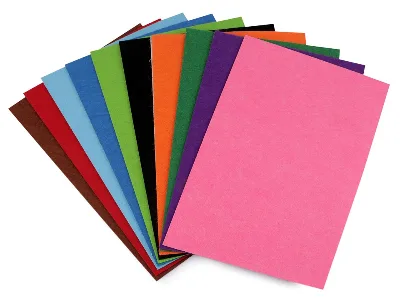
Felt is a wonderful addition when you're short on time or want to avoid turning pieces right side out altogether. The cut edges don't fray, so you can cut out stars, Christmas trees, stockings, little houses or small envelopes directly, then sew them together and decorate them.
Medium-weight craft felt works well for Advent calendar bags. It's easy to work with and already has plenty of body. For very heavy fillings or projects that will see intensive use for many years, look for a firmer quality. Thin felt can distort over time, especially if the bags hang from just a small loop.
Felt looks best combined with a few clear details: stitched-on numbers, small pompoms, embroidery thread, woven ribbon or contrasting edges. Too many bulky embellishments quickly make small shapes stiff. If you prefer a softer, more refined look, use felt as an appliqué on cotton or canvas rather than making the whole bag from it.
Linen, muslin and velvet: beautiful, but with their own quirks
Linen and linen blends are a perfect match for natural, understated Christmas decorations. The fabric has texture, feels warm and pairs beautifully with cotton cords, wooden beads or red accents. As linen tends to fray more, the edges should be neatened, lined or finished with French seams.
Muslin is soft, loose and especially popular for a gentle, playful look. It can work well for light surprises, ideally used double-layered or lined. On its own it holds its shape less well for drawstring bags that get a lot of use. If you love its crinkled surface, use muslin for individual bags among sturdier cottons or for decorative bows.
Velvet turns an Advent calendar into something truly festive. Small velvet bags in burgundy, fir green or midnight blue look luxurious, but they need a little care when cutting and sewing. The fabric can slip, and the pile side shows pressure marks more readily. So it isn't necessarily the easiest choice for 24 identical, quick bags. As an accent fabric for a few special days – such as St Nicholas' Day or Christmas Eve – it's very effective, though.
Use jersey and fleece selectively
Stretchy fabrics such as jersey are usually less suited to classic Advent calendar pouches. They can distort at the drawstring channel and don't hold heavier little gifts as neatly. If you'd like to use jersey, keep it for appliqués, small fabric numbers or as part of a mixed scrap calendar.
Fleece doesn't fray and feels cosy, but it also has a soft, yielding surface. It's a lovely option for animal figures, St Nicholas stockings or wintry hanging decorations. For bags, it's worth adding interfacing or combining it with cotton so they keep their shape.
Planning the right amount and preparing your fabrics
Before you order fabric or pick from your stash, a quick plan is worthwhile. Measure a sample pouch and remember to include the seam allowances. For 24 bags with two fabric pieces each, the total area quickly adds up. If you're using different designs, smaller pieces from 20 cm can be just right – especially if you want to put colours and patterns together deliberately.
Ideally, wash any fabrics that will need to be washable later before cutting. Cotton, linen and muslin in particular can still shrink a little. Then press the fabrics smooth, and your cutting, numbers and drawstring channels will be much more precise.
For sturdy pockets or a large calendar backing, iron-on interfacing can also help. It doesn't replace a firm fabric, but it gives lightweight cotton more body. For small pouches a lining is often enough, while large wall calendars benefit from reinforced hanging points. Sew loops and ribbons securely with several rows of stitching, as that's where the full weight will pull later on.
What makes an Advent calendar truly beautiful isn't the most expensive fabric, but a well-thought-out idea and materials that suit your everyday life. So go ahead and choose the fabric you love to touch and will look forward to taking out of the box again next November – then the anticipation starts while you're still sewing.
Matching categories
Matching products
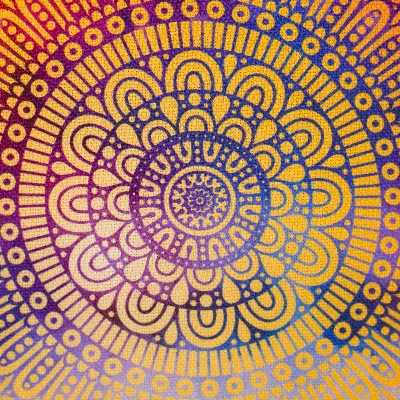
Canvas Doha Mandalas Pink/Purple by Swafing
€7.45per 0.5 m
Unit price €14.90 / m
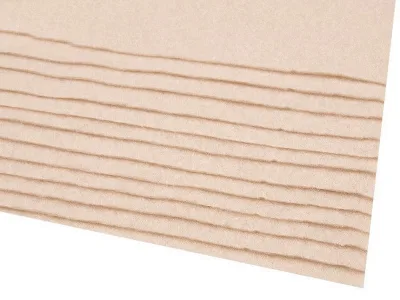
Craft Felt
€1.65per piece
Unit price €27.50 / m²
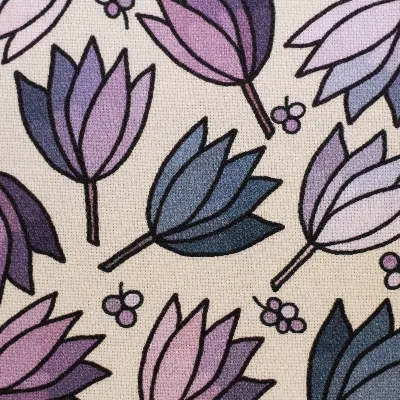
Canvas Floral Tales by Emjo Design Tulips on Cream by Swafing
€7.95per 0.5 m
Unit price €15.90 / m
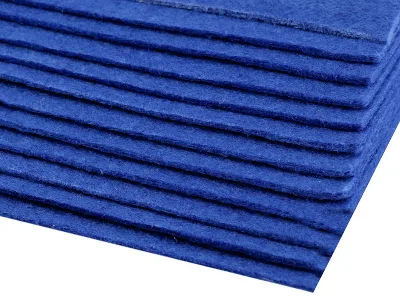
Craft Felt, Royal Blue
€1.65per piece
Unit price €27.50 / m²
Canvas Doha Leopard in Apricot/Brown by Swafing
€7.45per 0.5 m
Unit price €14.90 / m
Interfacing
€13.00per piece