Buying sewing patterns online and choosing the right one
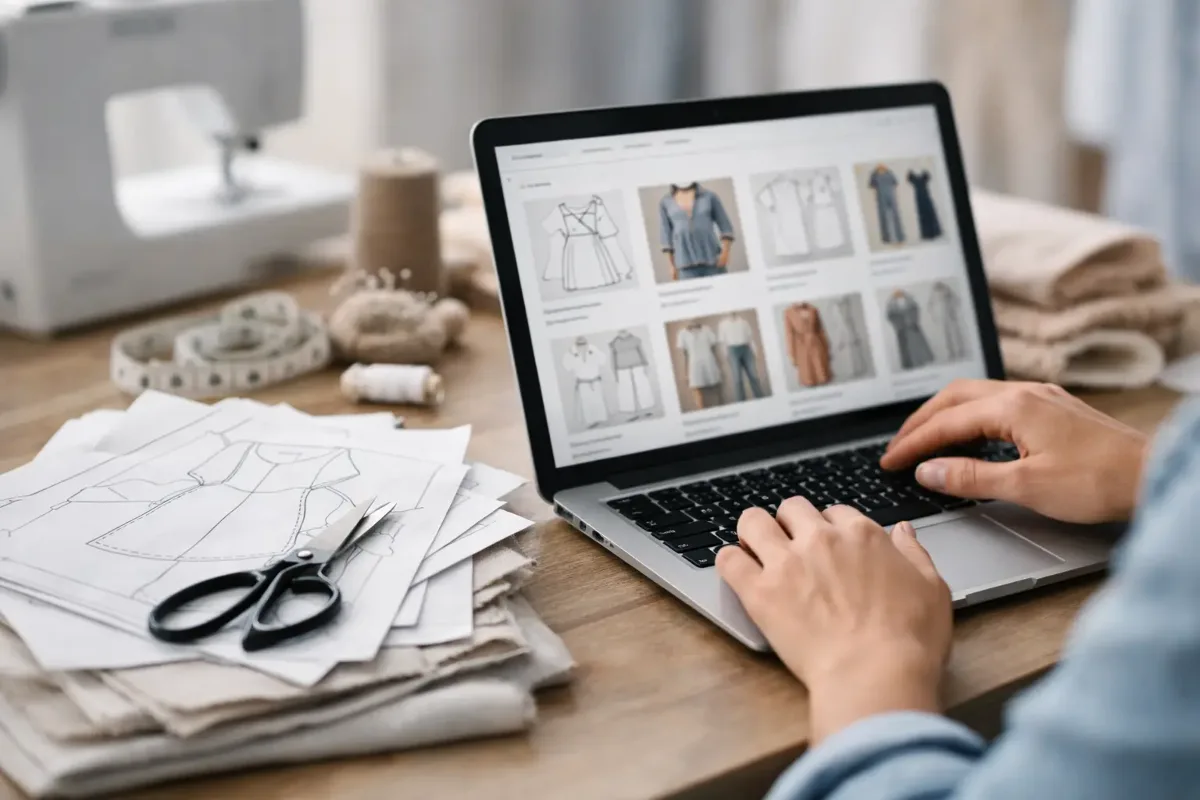
A sewing pattern can turn a lovely fabric into a new favourite – or make a project far more complicated than it needs to be. If you want to buy sewing patterns online, you have a huge choice today for women, men, children, babies, bags and home accessories. So what matters isn't just what looks good on the cover. The pattern has to suit your sewing skills, your fabric and, above all, the person who will wear or use the finished piece.
Buying sewing patterns online: decide on your project first
Before you click through dozens of designs, one simple question helps: what do you really want to sew? A quick everyday top needs something different from a lined jacket, a party skirt or a changing bag. Once your project is clear, the choice becomes much more manageable.
If you're just starting out, patterns with few pieces, clear steps and no fiddly fastenings are especially enjoyable. A loose-fitting top, a simple skirt with an elasticated waist or a beanie will give you quick results. More experienced sewists can try blouses with collars, dresses with panels, coats or bags with zips. That doesn't mean a pattern with lots of details is automatically difficult, though. Good instructions will guide you clearly through each step, even on more challenging projects.
When buying online, check whether you're choosing a paper pattern or a PDF pattern. A paper pattern comes printed and can be used as soon as you've cut it out. A PDF arrives as a file to download. It's handy if you want to get started straight away, but depending on the format you'll need to print it and tape it together yourself. If you'd rather skip the taping, you can also have large PDF patterns printed at full size.
The right pattern size matters more than your shop size
With handmade clothes, the size on the label of your favourite jeans doesn't count. Pattern companies use their own size charts, and these can differ considerably. So measure your bust, waist and hips before you buy, or at the latest before you cut. For children, height and chest measurement are often the most important guides.
If a measurement falls between two sizes, take a close look at the fit. A loose hoodie usually has some room to play with. For close-fitting trousers or a fitted dress, it can make sense to grade between sizes. Many patterns include notes on where adjustments are easy to make. A sewing pattern is a solid starting point, not a hard-and-fast rule.
Ease also plays a part. It describes the difference between your body measurements and the finished garment measurements. An oversized jumper can fit generously, while a basic T-shirt sits closer to the body. So check whether the pattern gives the finished measurements. That way you can judge more easily whether the design will give you the look you want.
For children, allow for growing room
Children's clothes are often worn hard and can be outgrown surprisingly quickly. For trousers with ribbed cuffs, harem trousers or loose-fitting tops, going up a size can be sensible. For close-fitting dresses, bodysuits or pyjamas, on the other hand, you should stick closely to the size chart. Clothes sewn too big can get in the way during play just as much as clothes that are too small.
Read the fabric recommendations, don't just look at the cover
The pattern and the fabric have to work together. A great design can lose its shape if the material is too soft, too stiff or too stretchy. That's why the fabric recommendations are among the most important details to check when you buy.
T-shirts, leggings, sweatshirts and comfy children's clothes usually call for stretch fabrics such as jersey, French terry, sweatshirt fabric or ribbing. Also check whether a particular amount of stretch is required. A pattern designed for very stretchy jersey may end up too tight in a fabric with only slight stretch.
Woven fabrics such as cotton, muslin, linen, canvas or viscose, on the other hand, are ideal for many blouses, dresses, skirts, shirts, bags and home décor ideas. The fabric quality makes a visible difference: woven cotton gives structure, viscose drapes softly, canvas stays sturdy and muslin feels airy. For jackets and outdoor projects, softshell, waterproof jacket fabric or fleece may be suitable, depending on the pattern.
If you're choosing fabric and pattern together, also check the fabric width and the amount you need. The fabric requirements usually apply to a specific width and size. With large motifs, checks, stripes or a clear directional print, you'll often need a little extra fabric so all the pieces can be cut out nicely. It's also worth checking the list of notions for ribbing, lining, interfacing, zips, buttons or cords before you order.
What a good pattern description tells you
Online, you can't leaf through a pattern as you would in a shop. That makes complete product descriptions all the more helpful. They should show which sizes the pattern is intended for, which fabrics are suitable, how much material you need and how difficult the project is.
Take a close look at the product photos, too. Do they show different variations, such as short and long sleeves, different lengths or pocket options? Then a pattern often gives you more than just one garment. This is especially useful for basics: a well-fitting top, trouser or dress pattern can look completely different every time with a different fabric.
When it comes to the instructions, clear diagrams, a logical order and tips on tricky steps are worth their weight in gold. A beginner's sewing pattern doesn't have to be boring. It just needs to explain clearly when to neaten edges, press, pin or topstitch. If you have more experience, you can try designs with techniques such as welt pockets, panels, facings or linings.
PDF or paper: which suits your sewing routine?
PDF patterns are particularly flexible. You can usually save them as soon as you've bought them and print them again whenever you need to. Some files include layers, so you can display only the size you need. That makes cutting out much clearer. A test square on the printout is important: only when it measures exactly the stated size will the pattern pieces be correct.
Paper patterns are a good choice if you'd rather not do the printing and taping yourself. They're also handy if you want to compare several sizes, mark adjustments or trace the pattern onto pattern paper. Which option is better depends on your workspace, your printer and the way you like to work.
At Die Stoffkönigin, alongside sewing patterns you'll find matching fabrics and haberdashery for lots of projects all in one place. If you still have questions about choosing fabric, combining colours or how much material you need, personal advice often helps more quickly than puzzling over it at your screen.
Avoiding common mistakes when buying online
The most common mistake is choosing based on the photo alone. A coat may hang beautifully in the picture but might require experience with lining, interfacing and several types of fastening. Choose a project that challenges you without leaving you frustrated at the very first step.
Just as important: plan for the seam allowance. Some patterns already include it, while with others you have to add it when cutting out. This information is in the instructions and should never be overlooked. If the seam allowance is missing, the garment will end up too small.
Making a toile is also a good idea with new patterns. Especially for trousers, fitted tops or expensive fabrics, a test garment in a similar, cheaper material can save you a lot of trouble. You'll see early on whether the length, width and neckline are right, and you can mark changes on the paper pattern.
A pattern you'll happily come back to
The best sewing pattern isn't necessarily the most elaborate one, but the one you'll enjoy sewing again. Keep your tried-and-tested patterns, and note your size, fabric amount and adjustments directly on the envelope or in your project folder. Next time, you'll know straight away whether you want to lengthen the sleeves, adjust the waist or choose a different type of fabric.
Take a little more time choosing than you would for the click into your basket. When size, fabric, instructions and your sewing skills all match, your project starts not with uncertainty but with excitement about the first piece you cut out.
Matching categories
Matching products
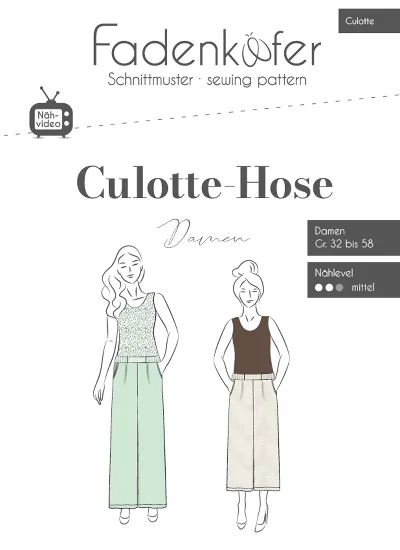
Fadenkaefer Paper Sewing Pattern Culotte Trousers
€12.90per piece
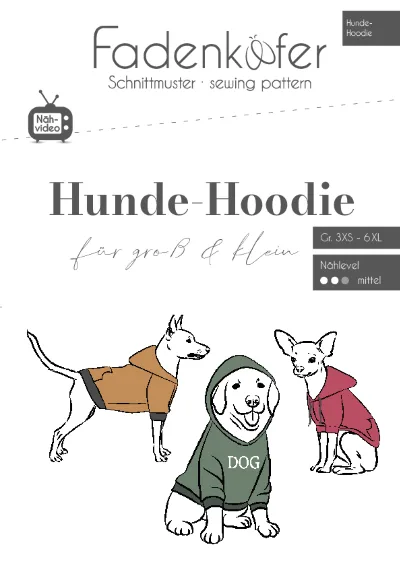
Paper Sewing Pattern Hunde Hoodie
€12.90per piece
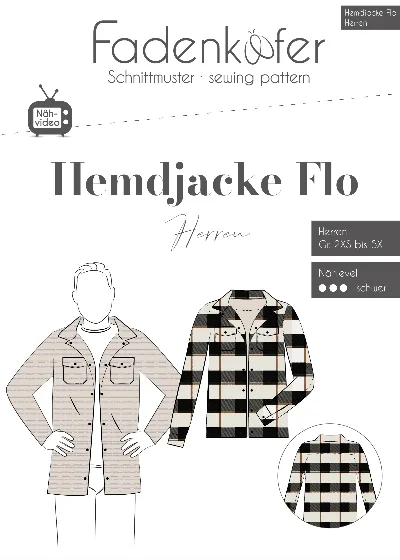
Paper Sewing Pattern Hemdjacke Flo Herren
€12.90per piece
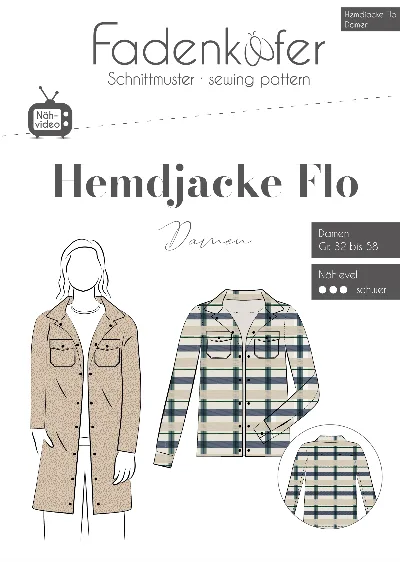
Paper Sewing Pattern Hemdjacke Flo Damen
€12.90per piece
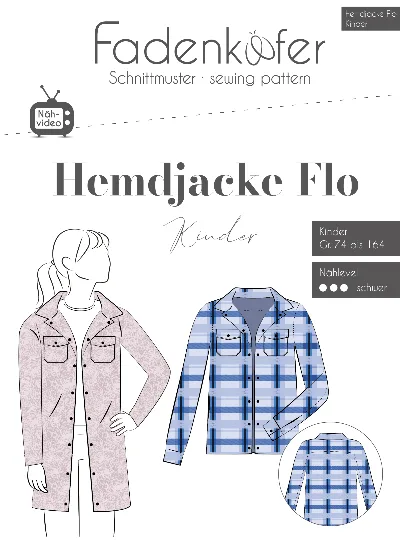
Paper Sewing Pattern Hemdjacke Flo Kinder
€12.90per piece
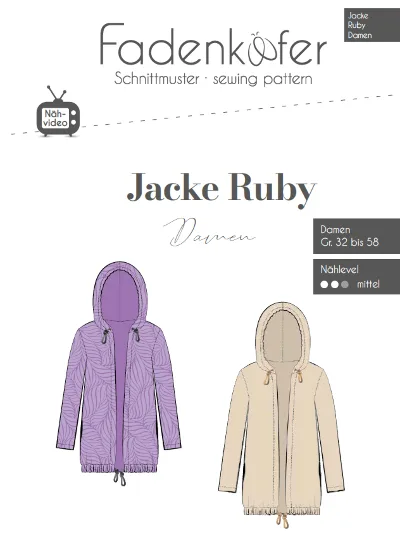
Paper Sewing Pattern Ruby Damen
€12.90per piece