How to choose the right sewing books for beginners
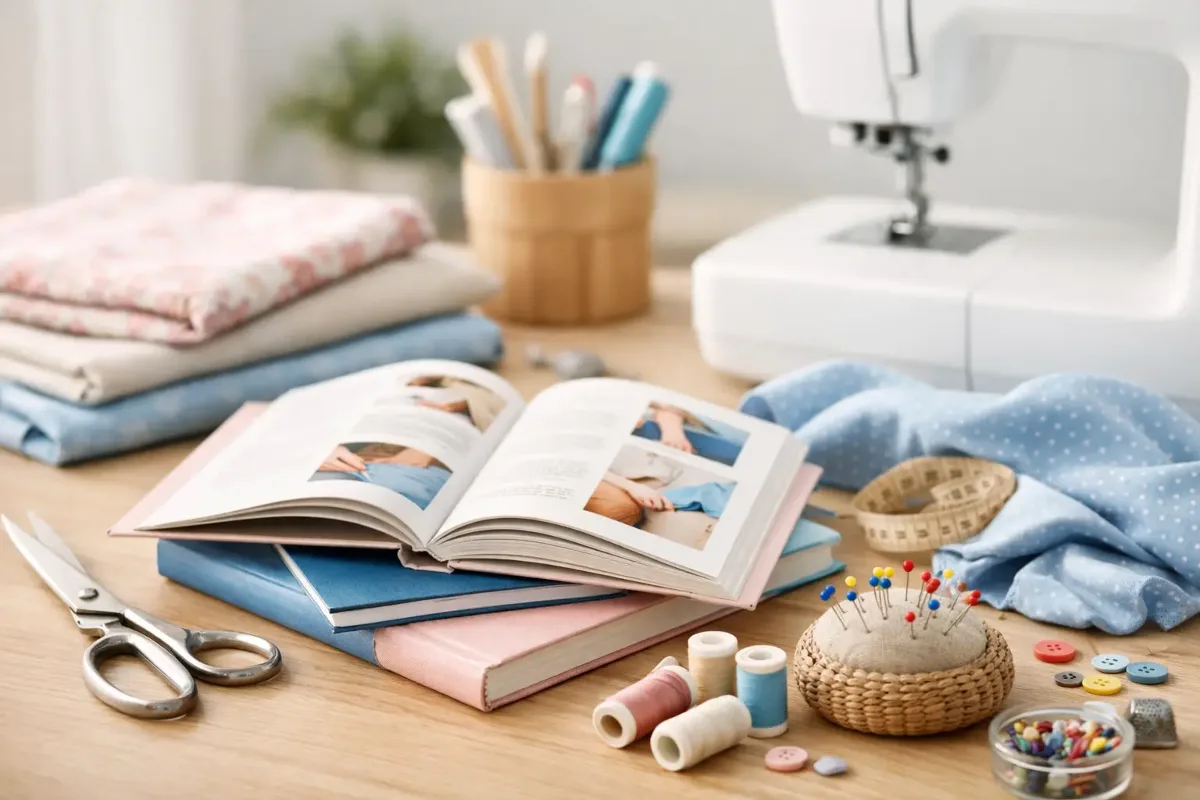
Anyone who takes up sewing often realises after cutting out their very first project that a good book saves not just time, but also fabric, nerves and lots of little question marks. That's exactly why sewing books for beginners are so popular. They give you something to hold on to while terms like seam allowance, thread tension or ribbing don't yet feel like second nature.
Beginners rarely just want any old book. Usually there's a very specific question behind it: which book will genuinely help me without overwhelming me? The honest answer is that it depends on what you want to sew and how you like to learn. A good sewing book isn't automatically the thickest one or the one with the prettiest photos. What matters is whether it fits your everyday life, your learning pace and your first projects.
What good sewing books for beginners should offer
A useful beginner's book doesn't just explain techniques, it takes the uncertainty out of the process. That sounds obvious, but it isn't. Some books assume too much prior knowledge, while others stay so superficial that the very questions that actually come up while sewing are left unanswered.
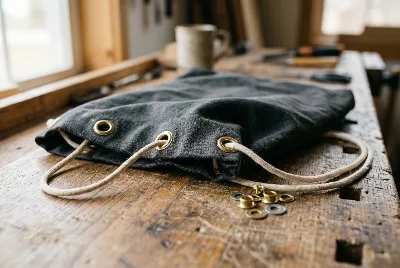
The really helpful books work step by step. That means clear photos or illustrations, precise material lists and easy-to-follow explanations of the basic techniques. If a book says a project is suitable for beginners, for example, it should also show which fabrics work for it and why. A snood made from jersey sews up differently from a bag made from canvas, and a good book makes that difference clear.
A realistic choice of projects is just as important. When you're starting out, simple, practical projects make more sense than complicated garments with zips, facings and a tricky fit. That doesn't mean a beginner's book has to be boring. But it should give you a sense of achievement. If you start with a manageable project, you're more likely to stick with it.
Which sewing book is right for you
Not everyone starts out the same way. Some want to sew children's clothes, others cushion covers, bags or small gifts. So it's worth taking a moment before you buy to think about what you want the book for.
For clothing, home décor or accessories?
If you mainly want to sew clothes, the book should explain pattern pieces, taking measurements and how fabrics behave. Drape and stretch are particularly important with jersey, viscose or sweatshirt fabric. A book that only shows lovely designs but barely explains how materials behave will often be of limited help with your first top.
For home textiles and décor, on the other hand, a different focus is often enough. Here, neat straight seams, simple closures and sturdy fabrics usually matter more than questions of fit. If you'd like to sew cushions, table runners or fabric storage baskets, a practical book will often get you going more quickly.
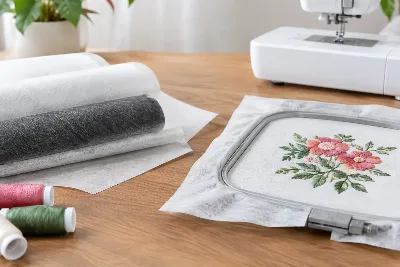
For bags and accessories, the book should also cover interfacing, closures and heavier fabrics. This is where you'll quickly see whether a sewing book is truly beginner-friendly or just looks it. A project can seem simple at first glance but become unnecessarily demanding because of multiple layers, webbing or zips.
Do you prefer to learn through technique or through projects?
Some people want to understand first how a sewing machine works, how fabric is cut and what matters when sewing seams. Others prefer to learn hands-on with a specific project. Both are absolutely fine.
If you tend to learn systematically, a book on the basics makes sense. It explains tools, materials and sewing techniques in more detail. If you'd rather have something finished in your hands straight away, a project book is often more motivating. Ideally, you'll find a mix: a short, easy-to-understand section on the basics followed by projects that build on it.
How to spot a weak beginner's book
Some books look very inviting on the cover but are of little help in practice. Be wary, for example, if the designs are barely explained and the text feels more decorative than practical. Very brief material lists can also be a problem. If only the fabric is mentioned, but not whether you'll also need interfacing, matching thread or special sewing notions, your start can quickly get bumpy.
Unclear language is another warning sign. Beginners don't need complicated technical texts, but they don't need vague wording either. Good instructions are precise and practical. They tell you clearly when to neaten the edges, when to press and when to edgestitch. Especially at the beginning, this precision makes all the difference.
Books that rely almost entirely on pattern sheets without properly explaining how to trace them are also tricky. If you've never traced a pattern before, you need clear guidance. Otherwise the project fails not at the sewing stage, but already during the preparation.
The content that really helps when you're starting out
A good beginner's book doesn't have to cover everything. But it should deal with the topics you'll need again and again in your first few weeks. These include using your sewing machine, cutting out correctly, simple seam types, neatening edges and choosing fabrics and notions sensibly.
A section on fabrics and materials is also useful. Beginners often buy by colour or print, which is completely understandable. But for the result, it's just as important whether a fabric is stretchy, firm, drapey or hard-wearing. If you understand this early on, you'll choose projects more realistically and face fewer disappointments.
Information on which needle suits which material is also handy. It may seem like a minor detail at first, but in practice it's often the point at which seams suddenly run smoothly – or don't. With jersey, softshell, cotton or fleece, the differences lie not only in how they feel, but also in how they're sewn.
Sewing books for beginners can't replace all advice
As helpful as books are, they can't answer every follow-up question. When it comes to choosing fabric, combining colours or planning a project, a quick chat often helps more than ten pages of theory. This is especially true if a design in the book was sewn in a particular material but you'd like to achieve a similar effect with a different fabric.
This is where expert support proves its worth. At Die Stoffkönigin, many customers experience exactly that: they don't just buy fabric, they also get guidance on which fabric suits their planned project, how much they'll need and which notions they really require. Especially at the beginning, this is often the difference between a project that's been started and one that's actually finished.
Print book, e-book or both?
The format matters too. Traditional books have a clear advantage when sewing: they lie open on the table, you can flick through them quickly and you don't need a screen. Many people find that more comfortable while cutting out and sewing.
E-books can be practical if you want to get started straight away or don't have much space. Some people like working digitally, others less so. The drawback often shows when you're juggling machine, fabric and screen at the same time. If you want to switch easily between the instructions and your project, a printed book is usually more relaxed.
The best option isn't one format or the other across the board, but the one you'll actually use. A beautiful book is of little use if it just sits on the shelf. And digital instructions only help if they're quick to understand at the crucial moment.
How to get more out of your first sewing book
Many people expect a beginner's book to resolve every uncertainty immediately. A more realistic view is this: the book is your companion, not a substitute for practice. Sewing gets easier when theory and practice come together.
That's why it's worth not picking the most challenging design straight away. Start with a project that lets you practise the basic steps several times. Seams, accurate cutting, pressing between steps and neat edges will teach you more than a quick showpiece project. A simple cushion, a fabric basket or a scarf can be more valuable for learning than your first elaborate jacket.
It also helps to make little notes in the book as you read. Where do I need a universal needle, and where a jersey needle? Which fabric is recommended for the project? Does it need pre-washing? Little things like these make everything run more smoothly later on.
Why the right book saves you frustration
In sewing, frustration rarely comes from a lack of creativity. Usually it's down to leaps that are too big. A project looks doable but is actually a step too far for now. Or the fabric looks wonderful but works against what you're trying to make. This is exactly where sewing books for beginners can show their greatest value – as long as they're honest, clear and easy to follow.
A good book won't make you able to do everything at once. It shows you what makes sense to tackle next. This kind of progress may feel less spectacular, but in everyday practice it's the more reliable foundation. If you start with good explanations, you'll sew more neatly, plan better and gradually gain the confidence to take on more.
So when you're standing in front of the shelf or browsing the product range, don't look at the number of projects first. Ask yourself instead: do I understand the language? Do the designs match what I actually want to sew? And when I flick through it, do I feel motivated or already a little stressed? That's often the best indication of whether a book will really support you as you get started.
A good sewing book won't do the work for you, but it makes the journey a lot friendlier – and that's usually what you need more than perfection at the beginning.
Matching categories
Matching products
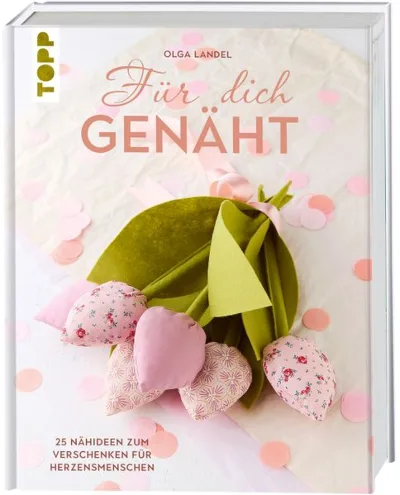
TOPP Book: Sewn as a Gift
€22.00per piece
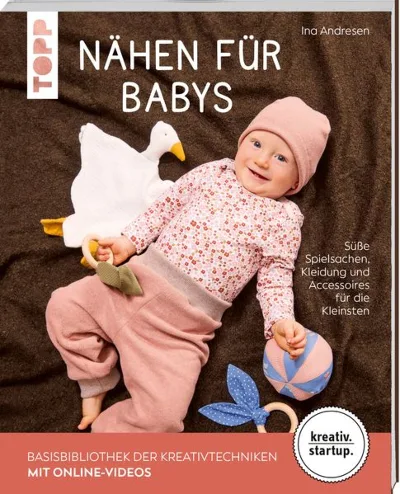
TOPP Book: Sewing Projects Babies Will Love
€12.99per piece
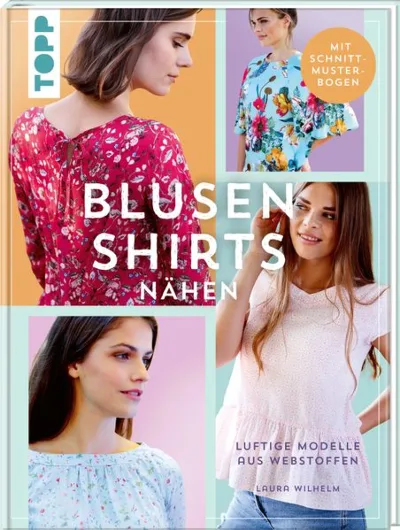
TOPP Book: Sewing Blouse Tops
€22.00per piece
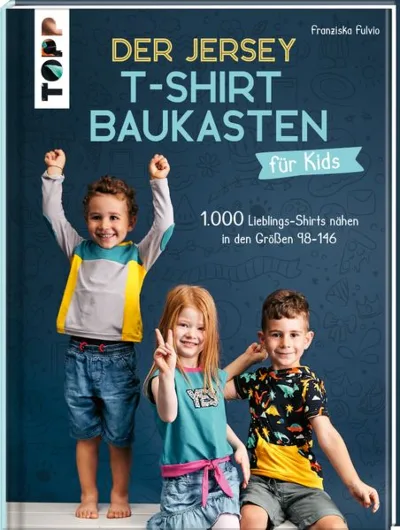
TOPP Book: The Jersey T-Shirt Kit for Kids
€22.00per piece
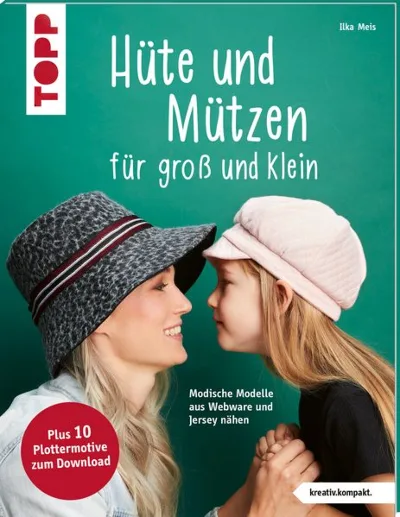
TOPP Book: Sewing Hats and Caps for Young and Old
€10.00per piece
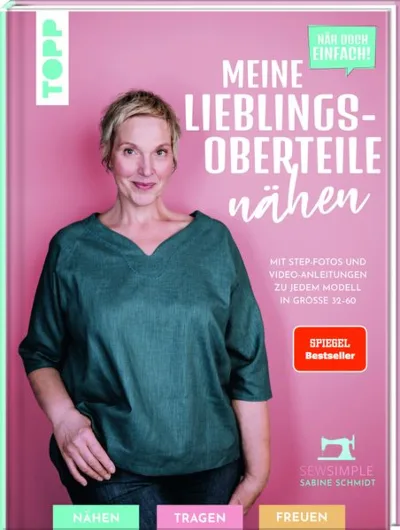
TOPP Book: Just Sew It! My Favourite Tops
€24.00per piece