Creative Ways to Use Fabric Scraps in Your Sewing
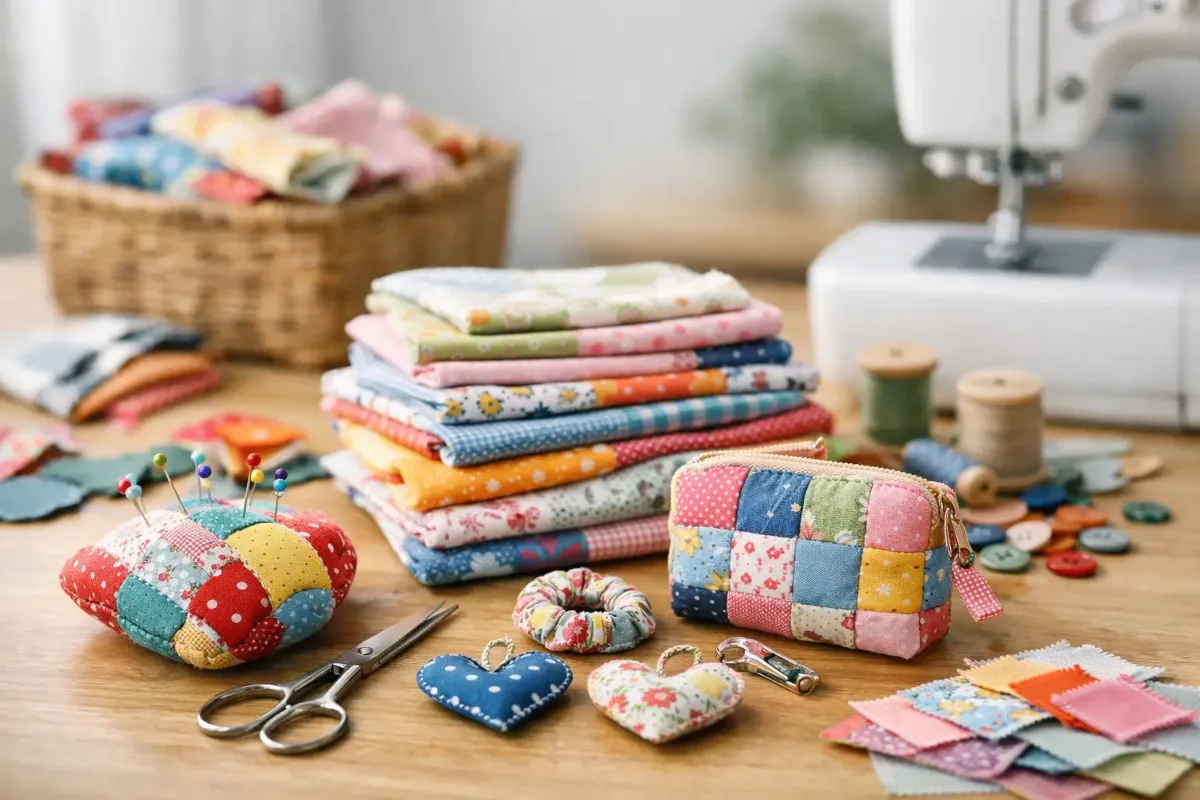
The loveliest scrap is often right at the bottom of the box: a piece of muslin in your favourite print, a strip of ribbing, half a metre of jersey that's far too good to give away. That's exactly where creative sewing with fabric scraps begins. Not as a last resort, but as a genuinely great opportunity to turn small offcuts into something useful, beautiful or gift-worthy.
Using fabric scraps creatively - what really matters
Before you get started, it's worth taking a quick look at three things: the material, the size and how much wear the finished item will get. A soft jersey scrap is wonderful for hat cuffs, headbands or baby accessories, but it rarely makes a satisfying outer layer for a sturdy fabric basket. Canvas, denim or coated cotton, on the other hand, give structure, but depending on the project they need a heavier needle and can be a bit unwieldy for very small pieces.
The size of a scrap also matters more than you might think at first. Very small pieces under 10 x 10 cm are rarely suitable for stand-alone sewing projects, but they're ideal for appliqué, patches, key rings or patchwork elements. Medium-sized scraps are often enough for little pouches, flannels, bibs or dolls' clothes. And a surprising number of "half scraps" can be pieced together into a complete project if you combine colours or materials thoughtfully.
The third point is wear and tear. A decorative bunting flag has different requirements from a pot holder, a drawstring bag or a knee patch for children's trousers. Especially when using up scraps, it makes sense not to decide on looks alone. If you think about fabric type and purpose together, you'll end up sewing more neatly, with longer-lasting results and less frustration.
Which fabric scraps work best for what
Cotton woven fabric is often the most rewarding all-rounder in a scrap pile. It cuts precisely, hardly distorts and suits lots of small projects - from lavender bags and make-up pouches to patchwork blocks. If you have several cotton scraps of a similar weight, you can create beautifully coordinated combinations.
Jersey scraps can seem trickier at first glance, but they're often ideal for practical small items. Snoods for children, hats, headbands, burp cloths with a soft backing or make-up remover pads with a stretchy layer are all easy to sew from them. The only important thing is not to mix stretch and non-stretch fabrics in one project at random. It can work, but it needs a clear plan and sometimes a bit of experience.
Fleece, teddy fabric or sweatshirt fabric are perfect when you want something soft, warm or tactile. Small cuddly cushions, baby grab toys, neck warmers or inner layers for winter accessories are classic examples. Coated fabrics, faux leather or softshell scraps, meanwhile, come into their own for cases, small bags, lunch bag details or as dirt-repellent bases.
Ribbing scraps are often underestimated. Even narrow strips can still be used for necklines on dolls' clothes, sleeve cuffs on small sizes, headbands or handy fabric loops. If you store these scraps neatly sorted, you'll save time and material on lots of small projects later on.
Small sewing projects that make really good use of fabric scraps
Scrap projects are most enjoyable when they don't just disappear into a drawer. Zip pouches are a lovely example. Small pieces of cotton, canvas or coated fabric are often all you need. At the same time, you'll practise several useful techniques - from inserting a zip to bagging out and topstitching.
Flannels, make-up remover pads and small towels with fabric hanging loops are practical projects too, especially combined with waffle piqué, towelling or cotton woven fabric. Here, pleasant texture and good washability matter more than a perfect print. That makes these sewing ideas great for scrap boxes with mixed colours as well.
For families with children, bibs, teething ears, neckerchiefs, dolls' clothes and simple drawstring bags are real classics. With children's projects in particular, scraps can be mixed in bright combinations. What might look too busy by the metre often has just the right freshness in a small format.
Decorative scraps are easily transformed into bunting, cushion fronts, mug rugs or fabric baskets. This is where you can play with contrasts. A calm plain fabric next to a small-print scrap often looks more harmonious than several bold prints in a small space. If you're unsure, one simple rule helps: one main fabric, one coordinating fabric, one accent.
Patchwork is the obvious choice - but not always the best one
As soon as fabric scraps come up, many people think of patchwork first. That's understandable, but not every scrap box is automatically suited to it. Patchwork relies on a certain consistency in fabric weight, cutting and colour effect. If the scraps are very different - jersey next to canvas, say, or muslin next to softshell - the result quickly looks busy or becomes technically demanding.
Even so, patchwork is a great way to make good use of smaller cotton pieces. Placemats, cushion covers, baby blankets, pot holders or simple quilt blocks work even if you're not planning a traditional quilt. The key is to sort the fabrics by weight and feel beforehand. That way you'll avoid distorted seams and an uneven finish.
If you don't fancy precise patchwork with lots of little squares, there's a more relaxed option: freely combining larger scraps. Irregular rectangles, strips or blocks of colour look modern and are more forgiving of small measuring inaccuracies. For bag linings, fabric baskets or backs in particular, this is often the easier solution.
How to plan your scrap projects without material chaos
If you want to use fabric scraps creatively, you don't necessarily need more ideas - often you just need a better system. The classic problem is the overflowing box where lovely scraps vanish while you end up buying new fabric for every project anyway. It's more practical to sort by fabric type and rough size. That way you can see at a glance what's suitable for clothing, accessories or home decor.
A personal minimum size helps, too. Anything smaller than a set size that no longer has a clear purpose doesn't need to be kept. It sounds strict, but it frees up space. After all, using up scraps should inspire you, not take over your sewing room.
If you often sew on the spur of the moment, feel free to set up small project groups. One box for bag-making supplies, one for baby projects, one for patchwork or appliqué. Then fabric, zip, interfacing and matching thread come together much more quickly. In everyday sewing, this kind of organisation makes a noticeable difference.
When combining scraps is especially worthwhile
Scraps look best when they're put together deliberately rather than at random. Working with colour palettes is particularly effective. Several shades of blue, natural tones or warm berry shades often create a calm look together, even if the prints and fabric types vary slightly. It gets trickier with competing prints. A plain fabric can then act as a go-between.
Combining fabrics can make functional sense, too. A pouch with a canvas outer and a cotton lining makes the most of both fabrics. A bib with jersey on the front and absorbent towelling on the back isn't just pretty - it's practical for everyday use. Mixes like these are often the most effective way of using up scraps, because they don't just save material, they improve the project.
If you're not sure whether a scrap should be on show, try it first on linings, inside pockets, facings or small details. Special fabrics in particular often shine more as accents like these than over a large area.
For beginners: better simple and finished than complicated and half-done
Not every scrap project has to be elaborate. If you haven't been sewing for long, you'll usually do better with small, clear-cut projects than with an ambitious piece made from ten tiny offcuts. A simple fabric basket, an envelope cushion cover or a tote bag with contrasting handles will give you a sense of achievement much faster than an intricately pieced labour of love that ends up abandoned.
At the same time, fabric scraps make an ideal practice ground. Testing new presser feet, practising zips, trying out buttonholes or positioning embroidery designs - scraps are perfect for all of this. If something goes wrong, you haven't lost a large amount of your favourite fabric. That's exactly why scraps belong on the sewing table and not just in storage.
At Die Stoffkönigin, we often see customers rediscover their love of sewing through small scrap projects. The reason is simple: you see results quickly, make good use of materials you already have and often come away with new ideas for your next bigger project.
Sometimes the best fabric scrap isn't the one you keep, but the one you finally sew. So if today you cut out just one small piece, start a simple project and get your scrap box a little more organised, you've already gained a lot.