Five fabrics for bags that really work
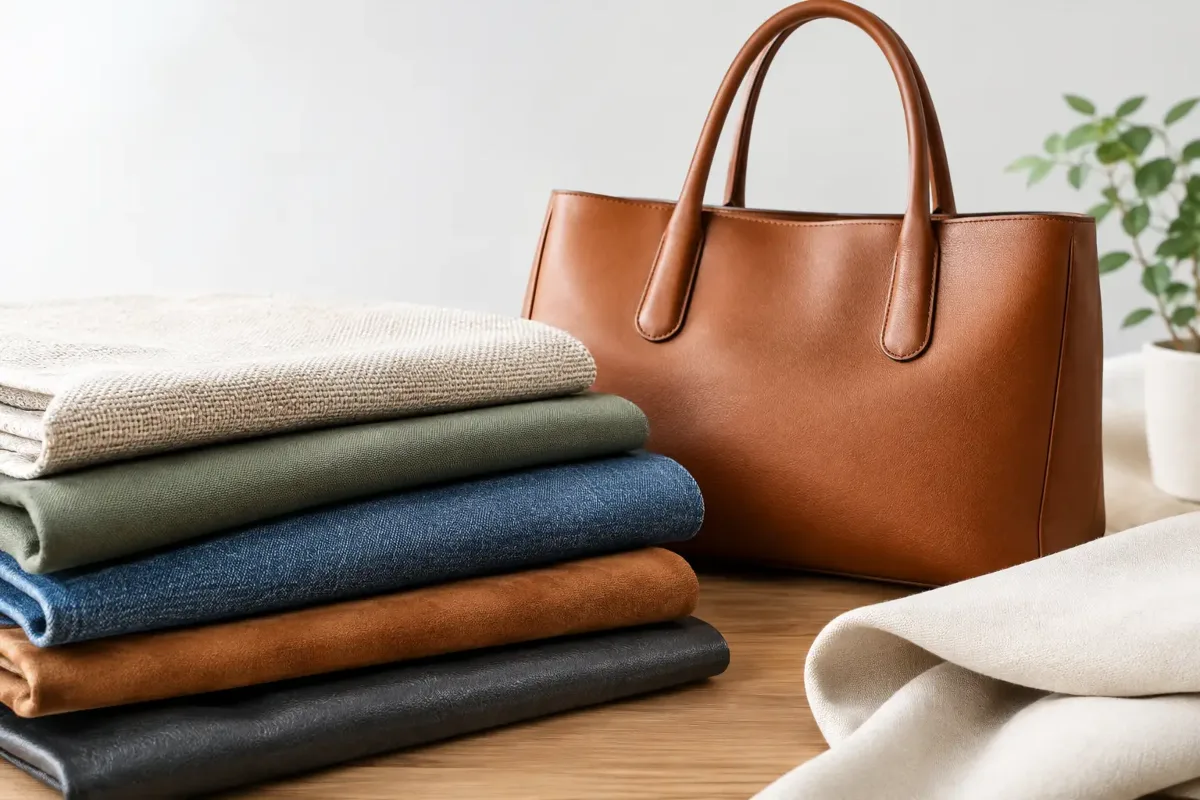
A bag has to cope with a lot in everyday life: the food shop, toys, books, wet swimming kit or a little craft project for when you're out and about. That's exactly why it pays to think carefully about your fabric. These five fabrics for bags show which qualities really matter – from structure and care to getting the right look.
The prettiest print won't help much if the fabric is too soft, too delicate or too slippery for what you have in mind. On the other hand, not every fabric bag needs to stand up as firmly as a shopping basket. A lightweight project bag can be soft and slouchy, whereas a changing bag or a rucksack needs a lot more stability. What matters most is your sewing pattern, what the bag will carry and how often it will be used.
What to look for in bag fabrics
For bags, the key factors are handle, weight and durability. Woven fabric frays at the cut edges, so it usually needs finishing. On the plus side, it's lovely and precise to sew and comes in a huge range of colours and prints. Coated or heavier materials are often more hard-wearing, but they make different demands on your needle, thread and sewing machine.
Reinforcement is part of the planning, too. A thin cotton can gain a surprising amount of structure from a firm interfacing or a bag stabiliser. A heavy canvas, on the other hand, often doesn't need any extra reinforcement for a simple shopping bag. Straps, bases and closure areas benefit most from interfacing, because that's where the greatest strain occurs.
Think about aftercare as well. If the bag will be washed regularly, cotton and canvas are easy-going choices. For bags that mainly need to be wipe-clean, faux leather, cork or softshell are a good fit. With bold prints, check beforehand whether the pattern placement works with your sewing pattern – especially on flaps, outer pockets and wide straps.
Five fabrics for bags put to the test
1. Canvas: the versatile classic
Canvas is a tightly woven cotton fabric and a dependable choice for lots of bag projects. It has a sturdy, natural feel, offers good structure on its own depending on the quality, and looks just as good kept simple as it does styled modern. Shopping bags, totes, rucksacks, beach bags and fabric storage baskets are all wonderful sewn in canvas.
For a lightweight tote, canvas on its own is often enough. For a structured bag with a base, a laptop bag or a rucksack, though, it's still worth adding extra reinforcement at the points that take the most strain. Choose a denim needle for thick layers and sew slowly over intersections at straps and side seams. If the fabric gets very thick, a hump jumper under the presser foot can help.
Canvas isn't automatically waterproof. For a bag that will be used in the rain or for damp items, you'll need a water-repellent outer fabric or a suitable lining. Its real strength lies in the combination of durability, natural look and easy sewing.
2. Woven cotton: light, colourful and flexible
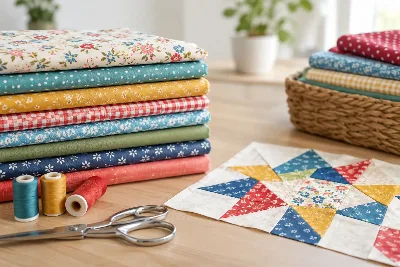
Regular woven cotton is lighter than canvas, which makes it ideal for small bags, make-up bags, project bags, drawstring gym bags or bag linings. The choice of colours and designs is huge – perfect if the bag is going to be a personal gift or needs to go with a favourite outfit.
On its own, cotton has little structure. A large shopping bag can pull out of shape under weight, and a small zip pouch soon looks crumpled without interfacing. That's no bad thing if you want a soft drape. For a stable shape, add iron-on interfacing, fusible fleece or a bag stabiliser, and pay particular attention to reinforcing the base.
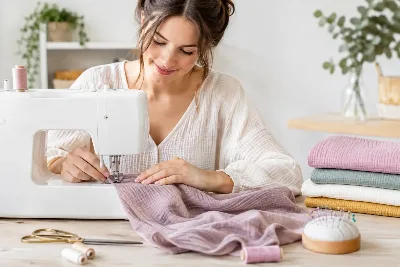
Woven cotton is great for beginners because it barely shifts when you cut it and sews up neatly. Remember to finish the edges so they don't fray on the inside. As a lining for canvas, faux leather or cork, it also gives you a lovely, tidy interior.
3. Faux leather: easy care with a bold statement
Faux leather quickly gives bags a smart, modern or even sporty look. It's especially popular for handbags, crossbody bags, clutches, rucksack details and bag bases. Many types are wipe-clean and less prone to small marks than natural-fibre fabrics.
Faux leather needs a little extra care when sewing. Pins leave visible holes, so sewing clips are the better option. Use a leather or microtex needle and lengthen your stitch slightly, as very short stitches can perforate the material. A Teflon foot or a little tissue paper between the presser foot and the material helps if the surface sticks to the foot.
Important: not all faux leather is the same. Thin qualities work well for accents, small pouches or flaps. For large bags carrying a lot of weight, choose a sturdier quality and avoid bulky seam junctions in your pattern. Unlike cotton, faux leather can't simply be ironed flat, so plan pleats, darts and turning out carefully.
4. Softshell: practical for outdoors and on the go
Softshell is a good choice if your bag needs to stand up to wind, damp and a busy everyday life. Handlebar bags, sports bags, children's rucksacks, lunch bags or bags for a change of clothes all benefit from its water-repellent surface. The material is usually soft, pleasant to the touch and much lighter than many coated fabrics.
Depending on the quality, softshell is made up of several layers, often with a soft inner face. This means a small bag doesn't always need an extra lining. A lining still makes sense if you want better organisation, a contrasting colour or neat inner pockets. Bear in mind that softshell usually doesn't hold its shape very firmly. For a structured rucksack or tote, reinforce the base and sides specifically.
Sew with a universal or microtex needle and test the stitch length on a scrap first. Seams in softshell are hard to unpick, as the needle holes can stay visible. Clips instead of pins are a good idea here, too. Softshell is practical for outer pockets, but its sporty character is usually less suited to an elegant evening bag.
5. Cork fabric: light, distinctive and lovely to handle
Cork fabric combines a textile backing with a cork surface. It's light, has a warm, natural look and is brilliant for small bags, purses, wash bags, rucksack details, handles and appliqué. Thanks to its texture, every piece is slightly unique – which makes simple patterns especially interesting.
Cork fabric generally doesn't fray, so open edges don't need finishing. That saves work on minimalist designs. It's best sewn with clips, a longer stitch length and a suitable universal or leather needle. Very tight curves or lots of layers call for a little patience, as the surface shouldn't be creased unnecessarily.
For bag bases that take a lot of strain, cork fabric on its own isn't always the first choice. Canvas or faux leather can be more hard-wearing there, depending on the quality. In combination, though, cork fabric looks particularly lovely: with canvas for a tote, for example, or with woven cotton for a small zip pouch. That way you get a distinctive look without having to sew the whole project in one material.
Choosing the right fabric for your bag project
For a quick tote or a lightweight project bag, woven cotton and lightweight canvas are ideal. If the bag needs to stand up properly and carry shopping, canvas with a reinforced base is a safe bet. For make-up bags and small everyday companions, faux leather or cork fabric can take centre stage, while cotton makes a lovely lining.
For nursery, sports or day-trip bags, aftercare and weather resistance matter more. Softshell works well on the outside, and canvas is a hard-wearing addition for the straps and base. If the inside needs to keep out moisture, choose a suitable water-repellent lining. Don't forget zips, webbing and D-rings either: they need to suit the size of the project and the load it will carry.
Especially for your first bag project, it's wise not to combine too many thick materials at once. Canvas on the outside, cotton inside and a medium-weight interfacing make a very manageable combination for many patterns. If you're unsure, you can order fabrics at Die Stoffkönigin from just 20 cm and try out small details such as a flap, base or zip pocket before starting the main project.
Small sewing decisions with a big impact
Wash cotton and canvas before cutting if the finished bag is going to be washable. Natural fibres can shrink, and pre-washing saves you nasty surprises after the first wash. Faux leather, softshell and cork fabric, on the other hand, usually aren't pre-washed. A damp cloth is normally all you need to clean them.
For straps, it's better to use webbing or fabric reinforced in several layers. Otherwise even a beautifully sewn strap can stretch out under weight, however sturdy the bag fabric is. Secure stress points with a box stitch and cross, and check that all seams are closed before turning the bag out. These few extra minutes turn a pretty bag into one that gets used and loved for a long time.
In the end, the best fabric choice is the one that suits your everyday life: soft and colourful for a creative project bag, sturdy for the shopping, wipe-clean for on the go or something special for a gift. With a small sample in your hand, you'll often sense straight away which fabric wants to become your bag.
Matching categories
Matching products
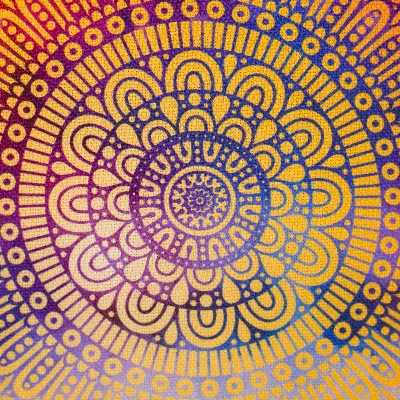
Canvas Doha Mandalas Pink/Purple by Swafing
€7.45per 0.5 m
Unit price €14.90 / m
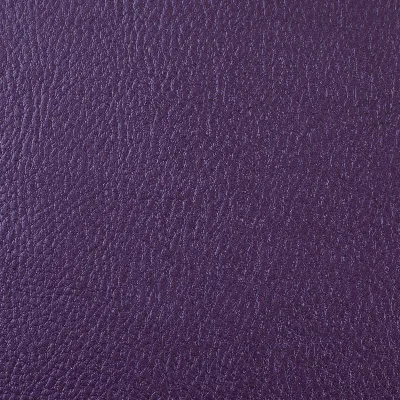
Faux Leather Rex Metallic Solid Purple by Swafing
€7.95per 0.5 m
Unit price €15.90 / m
Softshell in Dusty Pink
€8.45per 0.5 m
Unit price €16.90 / m
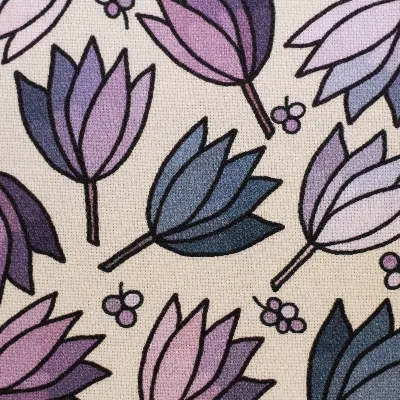
Canvas Floral Tales by Emjo Design Tulips on Cream by Swafing
€7.95per 0.5 m
Unit price €15.90 / m
Faux Leather Rex Metallic Solid Black by Swafing
€7.95per 0.5 m
Unit price €15.90 / m
Softshell in Dark Blue
€8.45per 0.5 m
Unit price €16.90 / m