Jersey or sweatshirt fabric – which works better?
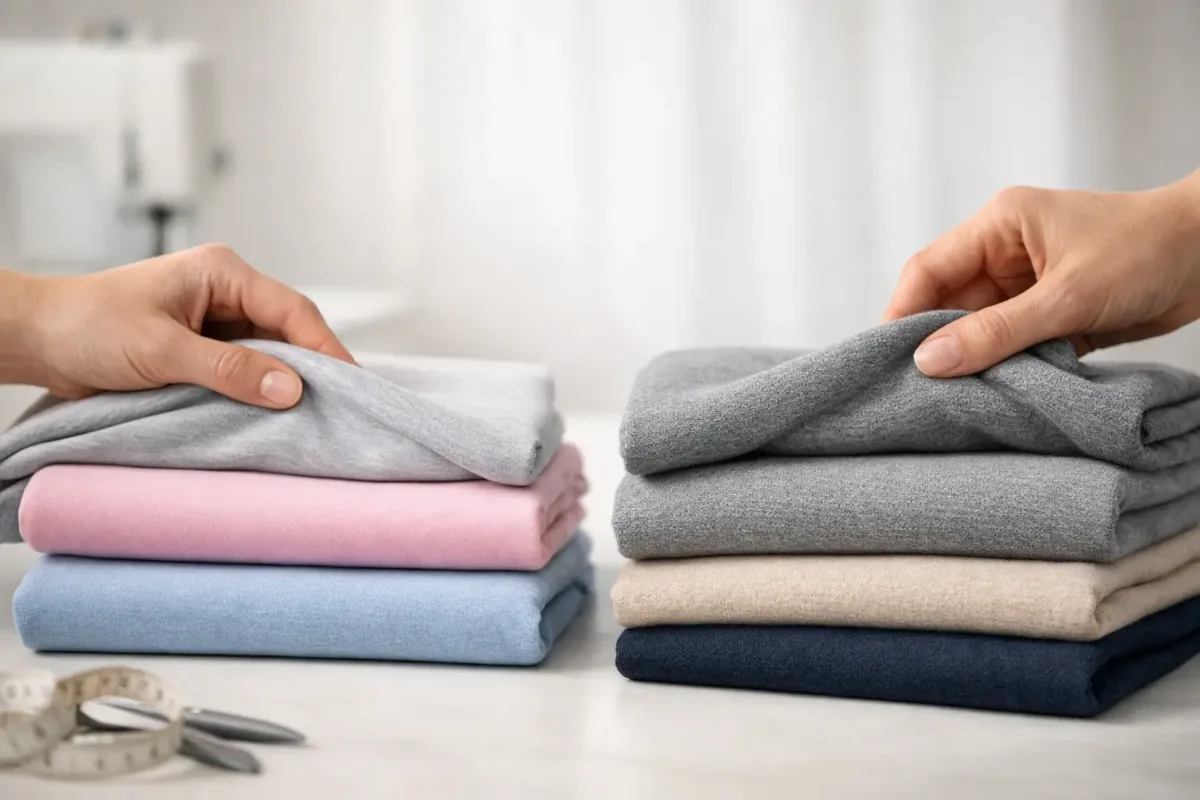
If you've ever stood in front of two lovely bolts of fabric and couldn't make up your mind, you'll know this question well: jersey or sweatshirt fabric? Both are soft, comfortable to wear and suitable for lots of sewing projects – but they behave quite differently when you cut, sew and wear them.
Especially with children's clothes, hoodies, joggers, tops or cosy loungewear, your choice of fabric often makes all the difference in the end. A pattern that drapes loosely and lightly in jersey will instantly look warmer, more substantial and sometimes a little bulkier in sweatshirt fabric. That's why it's worth looking beyond colour or print and taking a moment to consider the material, the stretch and what the garment will be used for.
Jersey or sweatshirt fabric – the key difference
The biggest difference lies in the handle, the weight and how warm the fabric is. Jersey is usually lighter, smoother and stretchier. It drapes more softly and sits close to the body. That's why it's such a popular choice for T-shirts, leggings, dresses, baby bodysuits, pyjamas and hats.
Sweatshirt fabric is generally thicker and holds its shape a little better. The right side often looks like smooth jersey, while the reverse is frequently brushed or has the typical looped texture. This makes the fabric warmer and cosier – ideal for hoodies, harem trousers, joggers, sweatshirt dresses and snuggly jumpers.
If you want a garment that's light and hugs the body, jersey is usually the better choice. If it can be warmer, more substantial and a little more structured, sweatshirt fabric is often the better fit.
What exactly is jersey?
Jersey isn't a particular fibre but a knit fabric. In other words, it's knitted rather than woven. This gives it stretch and makes it comfortable to wear. Many jersey fabrics are made from cotton with a small percentage of elastane – and it's exactly this blend that makes jersey so popular for everyday clothing.
A typical feature of jersey is its stretch across the width. It moves with you, which is a big advantage for children's clothes and comfortable casualwear in particular. At the same time, jersey tends to be light to medium weight. That makes it comfortable, but it also means not every pattern will automatically work well. A loose hoodie made from very lightweight jersey can easily end up looking a bit limp.
On the whole, jersey is beginner-friendly to sew, as long as your needle, stitch and fabric choice work together. If you're sewing stretch fabrics for the first time, cotton jersey is a great place to start, as it's easy to handle and suits plenty of simple projects.
What jersey is especially good for
Jersey really comes into its own wherever freedom of movement and soft drape are needed. T-shirts, long-sleeved tops, underwear, children's clothes, hats, snoods and leggings are classic examples. Dresses and skirts also work beautifully in jersey, provided the pattern is designed for stretch fabrics.
Jersey is particularly popular for baby and children's clothes because it feels soft against the skin and copes well with everyday wear. If you're planning garments for indoors or for spring and autumn, it's often the right call.
What exactly is sweatshirt fabric?
Sweatshirt fabric is also a knit, but noticeably heavier than jersey. Many varieties are made from cotton with elastane or a share of polyester. Broadly speaking, there are two types: French terry and brushed sweatshirt fleece. French terry usually has an unbrushed looped back and is a little lighter. Brushed sweatshirt fleece is often soft and fluffy on the inside, which makes it especially cosy.
Sweatshirt fabric stretches too, though usually not quite as easily and fluidly as jersey. In return, it has more body and stability. That's handy for patterns that shouldn't look too thin. Joggers made from sweatshirt fabric sit differently from jersey ones – a little fuller, warmer and often more hard-wearing for everyday life.
If you want to sew a garment for cooler days, sweatshirt fabric is often the go-to. It's cosy and practical, and it's especially popular for children's clothes because it keeps them warm without being as heavy as fleece.
What sweatshirt fabric is especially good for
Sweatshirt fabric is particularly well suited to hoodies, zip-up sweat jackets, joggers, harem trousers, loungewear, beanies for chillier days and cosy dresses. It's also an excellent choice for children's jumpers and comfy co-ord sets.
French terry makes sense when you'd like a bit more structure than jersey but aren't planning a thick winter piece. Brushed sweatshirt fleece is better for autumn and winter, or for any project that's meant to be really snuggly.
Jersey or sweatshirt fabric for sewing patterns
This is where it pays to look closely at the fabric recommendations on your sewing pattern – they're not a minor detail. A pattern for jersey is often designed for a lighter fabric with soft drape. If you sew it in thick sweatshirt fabric instead, the neckline, sleeves or hem may suddenly sit quite differently.
The same applies the other way round. A pattern intended for sweatshirt fabrics often needs a bit more structure. Made up in jersey, the result can turn out too soft, too narrow or simply not look as intended.
Of course, some patterns work with both. Loose tops, simple children's trousers and comfy dresses in particular are often flexible. In that case, your fabric choice decides whether the finished piece is light and airy or warm and cosy. This is exactly why it helps to think briefly before cutting about how the garment will be worn.
How to make the right choice for your project
If you're torn between jersey and sweatshirt fabric, three questions will almost always help. First: which season are you sewing for? Second: how should the finished garment fit? Third: how much warmth and structure do you want?
For spring, summer, indoor wear or close-fitting patterns, jersey is often the obvious choice. For autumn, winter, cosy casualwear or looser styles, sweatshirt fabric is usually more practical.
The age of the wearer can also play a part. Jersey is often chosen for babies and very young children because it's soft and flexible. For active nursery and school-age children, sweatshirt fabric is often a great option, as it feels nice and sturdy for everyday wear and keeps them warmer.
Differences when sewing
Both fabrics stretch and should be sewn with a suitable jersey or stretch needle. Even so, there are a few small differences. Depending on its quality and composition, jersey tends to curl a little at the edges. That can be annoying when cutting and hemming, but it's easy enough to manage.
Sweatshirt fabric often lies flatter, but it's thicker. So several layers, ribbing or pockets can get quite bulky. You'll notice this especially at hems, hoods and neckbands. A machine with good piercing power is helpful here, but it isn't essential for many projects.
For beginners, French terry is often a lovely middle ground: not too thin, not too thick and usually easy to sew. If you mainly want to make tops or leggings, though, jersey is closer to the classic material for those garments.
Jersey or sweatshirt fabric for children's sewing projects
When sewing for children, the decision is often very much about everyday life. A top for the playground in summer needs something different from cosy trousers for chilly mornings. Jersey is ideal when children need to move freely and the garment can be lightweight. Sweatshirt fabric shines when warmth, comfort and a little extra durability are called for.
That's why many people sew by season: tops, leggings and pyjamas in jersey, hoodies and harem trousers in sweatshirt fabric. It's not a hard-and-fast rule, but it's a very practical guide. If you're unsure, just picture the moment the garment will be worn – indoors, outdoors, during the day, running around or snuggled up on the sofa.
When it's better not to simply swap
It can be tempting to sew a pattern you already have in whichever fabric you like best at the moment. That doesn't always work. For fitted patterns, wrap bodysuits, leggings or fine tops, sweatshirt fabric is often too heavy. For structured hoodies, oversized jumpers or joggers, on the other hand, jersey can be too soft.
Ribbing also behaves differently depending on whether the main fabric is very light or rather dense – and you'll see it in the fit later. So it's always a good idea to consider weight and stretch as well as looks. This is exactly where good fabric advice – in store or online – often helps more than a quick gut decision.
If you like to keep your plans flexible, small amounts of fabric for testing are a real help. At Die Stoffkönigin this is refreshingly practical, as many projects don't need to start with huge quantities.
In the end, jersey or sweatshirt fabric isn't a question of principle but a question of the project. Once you know how your finished piece should drape, how warm it should be and how it should fit, choosing suddenly becomes much easier. And that's when buying fabric is really fun – because you're not just picking something pretty, but something that will also prove its worth in everyday life.
Matching categories
Matching products
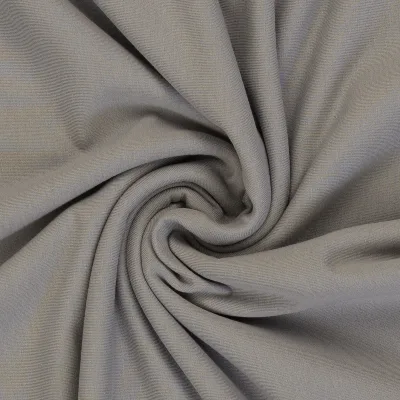
Swafing Vanessa Cotton Jersey Plain Grey 183
€6.45per 0.5 m
Unit price €12.90 / m
Swafing Eike Brushed Sweat Naturweiß 009
€7.95per 0.5 m
Unit price €15.90 / m
French Terry in Cream
€8.95per 0.5 m
Unit price €17.90 / m
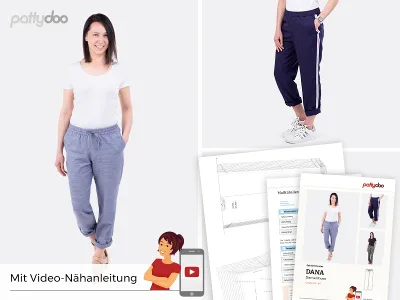
Sewing Pattern Dana Jogpants by pattydoo
€10.99per piece
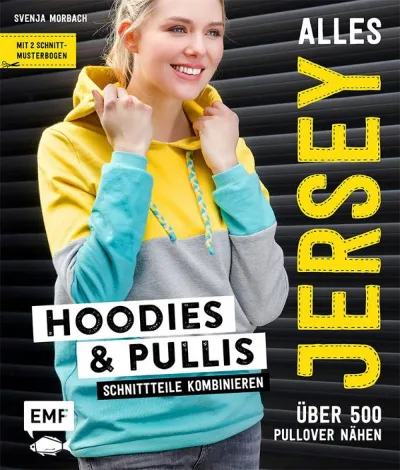
Sewing Book EMF Alles Jersey - Hoodies and Pullis
Back soon€17.99per piece
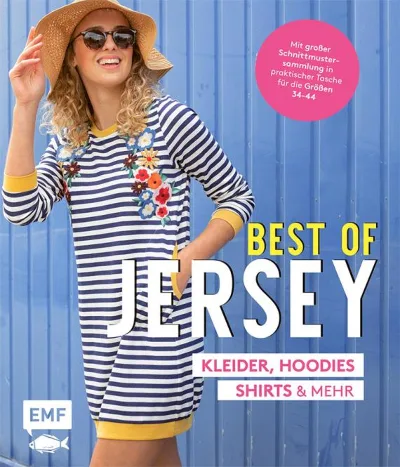
Best of Jersey - Kleider, Hoodies, Shirts
Back soon€24.99per piece