Learning to Sew Different Fabric Types Made Easy
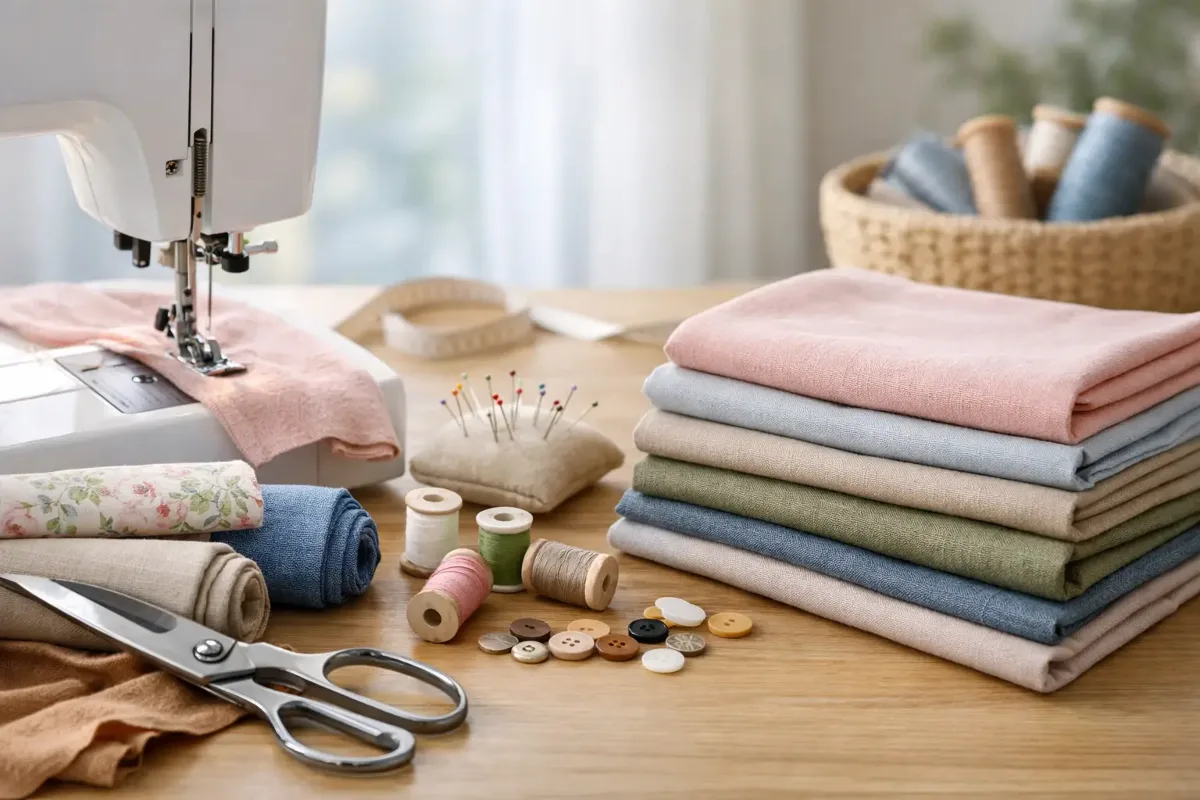
If you've ever bought a beautiful fabric full of excitement, only to end up cursing while cutting or sewing it, you'll know the problem: not every fabric behaves the same way. That's exactly why it pays to treat learning to sew different fabric types as more than just theory, and to link it directly to typical projects and real material properties. After all, it's often the fabric that decides whether a garment gets worn happily, a bag lasts for years or a beginner's project is genuinely fun.
Why knowing your fabrics makes such a difference
Many sewing problems look like machine faults or a lack of practice at first glance. In reality, the material is often to blame. Stretchy jersey needs to be handled differently from woven cotton. Viscose drapes beautifully but can easily slip about while you're cutting it. Canvas is sturdy and forgiving, but it asks more of your needle than a lightweight blouse fabric.
Once you've got to grips with the main fabric types, a lot of things become easier. You'll choose sewing patterns with more confidence, shop more purposefully and avoid buying the wrong thing. For beginners in particular, this is worth its weight in gold, because a lot of frustration can be avoided when fabric and project are a good match.
Learning to sew fabric types: the most important difference first
Before we look at individual materials, one simple rule helps: there are woven fabrics and knitted fabrics. Woven fabrics such as cotton wovens, canvas or poplin are usually more stable and barely stretch. Knits such as jersey or ribbing are elastic and adapt more to the body.
That sounds simple, but it has big consequences for how you work with them. Woven fabrics are often more beginner-friendly when cutting, because they slip less and don't distort as easily. Stretch fabrics are comfortable to wear and ideal for clothing, but they need the right needle, a suitable stitch and a bit more feel when guiding them through the machine.
Keep this distinction in mind and you'll already understand many fabric categories much better.
Cotton and poplin – the relaxed way to start
If you're just starting out, cotton fabrics are often the best choice. Poplin, woven fabric and many printed cotton fabrics are easy to cut, pin and sew. They hardly distort and behave predictably. That makes them wonderful for first projects such as cushion covers, fabric baskets, simple skirts, children's clothes without a complicated fit or small bags.
The big advantage is control. The fabric lies still on the table, edges press neatly and seams stay where they should. The downside: pure woven cotton has barely any stretch. So it's not the right choice for a close-fitting top, but it's often just right for a blouse, a little shirt or home décor projects.
Jersey – comfy, popular and a bit temperamental at first
Jersey is one of those fabrics many people want to sew with straight away. Understandably so, as it makes comfy T-shirts, leggings, children's clothes, pyjamas and dresses. Jersey is soft, stretchy and perfect for everyday wear. At the same time, it's the fabric that often shows beginners that knowing your fabrics is no minor detail.
When sewing, jersey can curl, go wavy or get stretched under the presser foot. That doesn't mean it's difficult as such – it's just less forgiving of the wrong technique. A jersey needle, a stretch stitch and a calm, steady pace help enormously here. For your first attempts, jerseys that aren't too thin are usually easier to handle than very soft, fluid ones.
If you want to learn to sew different fabric types, jersey is a good second step after woven cotton. That way you build up confidence without tackling very slippery fabrics straight away.
Ribbing – small but important
Ribbing is often underestimated. Yet on hoodies, trousers, tops and baby clothes, it determines fit and comfort. It's usually stretchier than jersey and makes sure cuffs and hems sit neatly against the body.
Attaching ribbing takes a little practice, because it's usually sewn on slightly stretched. That's completely normal and not a sign that something's going wrong. The key is to work evenly. As a beginner, it's worth testing on small scraps first to see how much the fabric needs to be stretched.
Viscose – beautiful drape, needs more attention
Viscose is ideal for airy blouses, dresses, skirts and wide-leg trousers. It drapes softly, is lovely to wear and often looks a little more refined than classic cotton. That's why it's so popular for feminine garments.
When you work with it, though, it shows a different side. Viscose can slip while cutting, distorts easily and often frays more. That doesn't mean you have to steer clear of it as a beginner. It just helps to work more slowly, cut very accurately and finish the edges promptly. If a design needs a lot of structure, viscose isn't really suitable. If you want movement and a soft drape, that's where it really shines.
Canvas – when a project needs stability
Canvas is heavier than ordinary woven cotton, making it ideal for bags, cushions, little baskets, aprons or hard-wearing décor. Many people love canvas because it feels high-quality and instantly gives projects more shape. Beginners often get on well with it too, as long as the machine can cope with several layers.
Compared with fine fabrics, canvas is less flexible. So it's not usually the first choice for flowing garments. For anything that needs structure, durability and a bit of body, however, it's a great fit.
Fleece, softshell and raincoat fabrics – practical, but project-dependent
As soon as things get more functional, the requirements change too. Fleece is soft, warm and easy-going for blankets, jacket linings or cosy tops. It hardly frays, so in some respects it's even easier than you might think. However, it can be bulky, which makes thick seam intersections trickier.
Softshell and raincoat fabrics are exciting for jackets, waterproof trousers, outdoor gear or weatherproof accessories. These fabrics aren't inherently hard to sew, but they're more sensitive to pins, heat and the wrong needles. It also depends on whether the finished item should be water-repellent, windproof or more flexible. This shows particularly clearly that the best fabric is always the one that suits its purpose – not the one that looks prettiest on the shelf.
How to choose the right fabric for your project
Buying fabric becomes much easier if you ask yourself three questions beforehand. First: should the project stretch or hold its shape? Second: does the fabric need drape or body? Third: does it need to withstand a lot of everyday wear, keep you warm or be easy-care?
A T-shirt almost always calls for jersey. A shopping bag benefits from canvas or sturdy cotton. A summer dress can look dreamy in viscose, while the same design in canvas would look stiff. Children's clothes often need comfort and washability, whereas home textiles need stability and shape.
This is exactly where good advice is so valuable. If you don't want to risk several metres straight away, a specialist retailer with a wide range that also offers small order quantities is a real help. That makes it easier to try out new materials on a manageable project first.
Typical beginner mistakes with fabric types
A common mistake is buying purely on print or colour. The fabric looks great but doesn't suit the pattern. Another classic: a very fluid fabric is chosen for a project that needs crisp edges and stability. Or a stiff fabric is earmarked for a dress that should drape softly.
The needle is often underestimated too. Jersey sewn with a universal needle can cause problems, and so can thick fabrics with a needle that's too fine. And sometimes the frustration simply comes down to a fabric not being washed before sewing and shrinking later. That's not a disaster, but it can be avoided.
Learn better with small test projects
If you want to learn to sew different fabric types, you don't have to plan an elaborate jacket or a complicated dress straight away. Small projects often teach you far more. A cotton cushion cover, a simple jersey T-shirt, a canvas drawstring bag or a loose viscose scarf will quickly show you how differently fabrics behave.
That way you gain experience without any great pressure. While cutting, pressing and sewing, you'll notice what comes naturally to you and where you still need a bit of practice. In the long run, this hands-on experience helps more than any material description ever could.
Which fabric types are really worth it when you're starting out
To begin with, woven cotton and a slightly sturdier jersey are usually the most sensible fabrics. They already cover lots of projects and give you a good feel for the difference between stable and stretchy. After that, you can add canvas if you'd like to sew bags or décor, and viscose if you want to try your hand at flowing garments.
Special fabrics such as softshell, coated fabrics or very fine, slippery materials can happily come later. Not because they're inherently too difficult, but simply because sewing is much more enjoyable when the material matches your experience.
This is where the range at Die Stoffkönigin really helps: from beginner-friendly cotton to jersey and ribbing, through to canvas, fleece and softshell. That way you can compare options for each project, rather than settling for just any fabric.
The better you can judge fabrics, the more relaxed your sewing becomes. And one day you won't just reach for a pretty design – you'll know as soon as you touch it what it could become.
Matching categories
Matching products
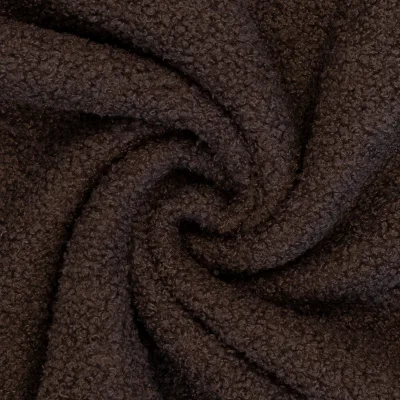
Doubleface Teddy Boucle Fleece Paddy Brown/Mud by Swafing
€9.45per 0.5 m
Unit price €18.90 / m
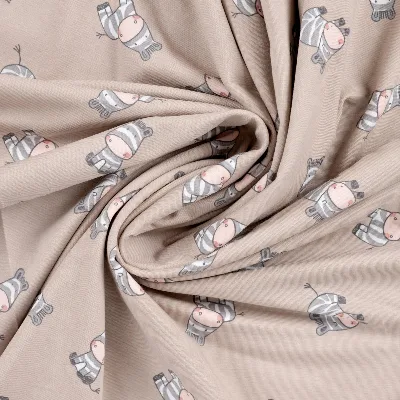
Cotton jersey, zebras, sand
€7.95per 0.5 m
Unit price €15.90 / m
Viscose Peonies Peonies on Lime Green by Swafing by Cherry Picking
€7.95per 0.5 m
Unit price €15.90 / m
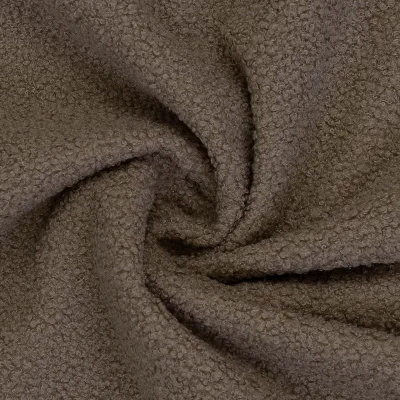
Teddy Boucle Fleece Mud by Swafing
€8.45per 0.5 m
Unit price €16.90 / m
Rib jersey, sand
€7.45per 0.5 m
Unit price €14.90 / m
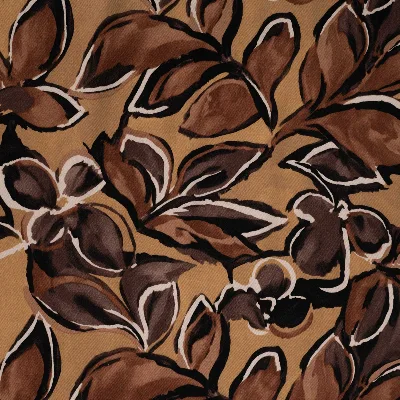
Viscose, leaves, taupe
€7.45per 0.5 m
Unit price €14.90 / m