Overlocker or sewing machine: which is right for you?
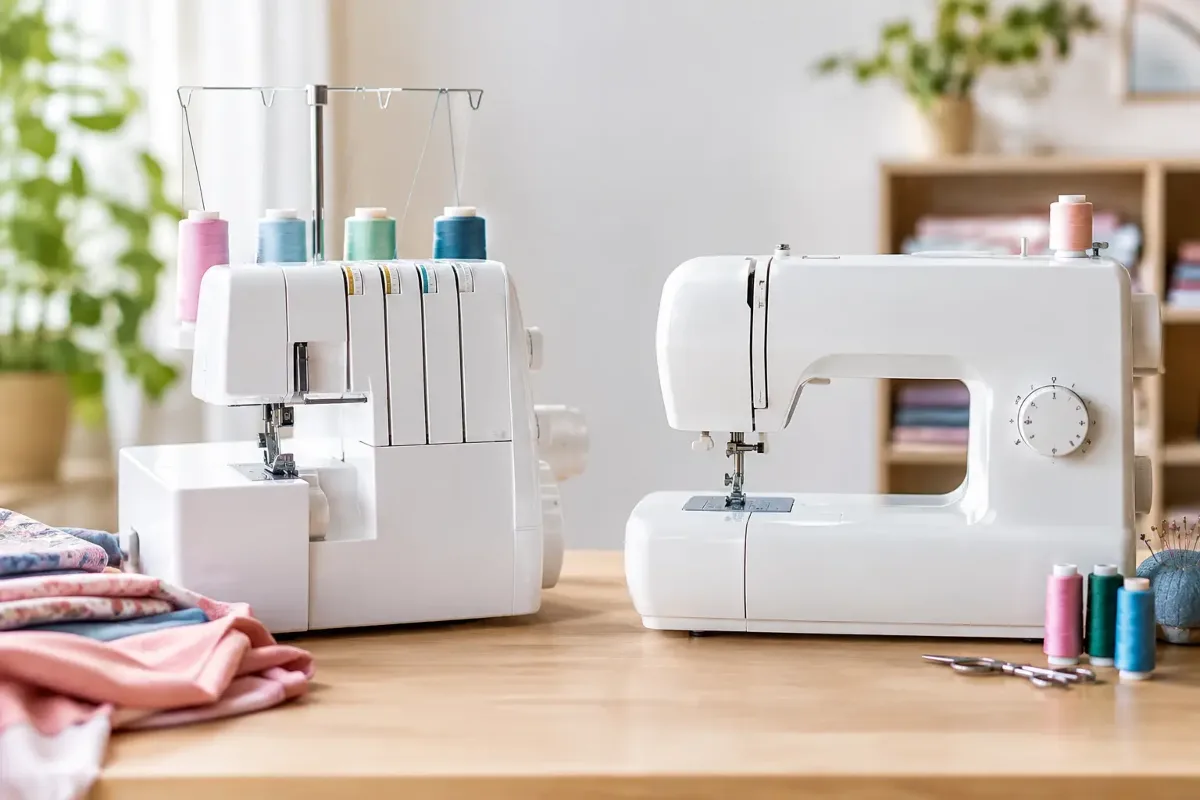
The jersey for your first handmade T-shirt is ready, the sewing pattern has been chosen, and then comes the big question: overlocker or sewing machine? Especially when you're buying your first machine, an overlocker, with its fast, neatly finished seams, can be very tempting. For many projects, though, it isn't a replacement for a classic sewing machine but rather its perfect companion.
Which machine suits you depends less on which one looks nicer or sews faster. What really matters is what you want to sew, how much experience you have and whether you want the flexibility to tackle all kinds of projects. We'll give you an honest look at what both machines can do, where their limits are and when a second machine is genuinely worth it.
What a sewing machine does day to day
The classic sewing machine is the versatile heart of any sewing space. With straight stitch, zigzag and, depending on the model, further utility or decorative stitches, you can sew woven fabrics as well as many stretch fabrics. Cotton, canvas, muslin, poplin, denim, softshell or coated fabrics can all be turned into bags, cushions, clothing, curtains and lots of other ideas.
Most importantly, a sewing machine can do far more than just close seams. It sews buttonholes, attaches buttons, topstitches edges, inserts zips and helps you finish corners, ribbing or hems precisely. It also has a clear advantage when it comes to repairs. A split seam on children's trousers, a new hem on a curtain or a replacement zip – for these you'll usually need a sewing machine.
It's also well suited to jersey and sweatshirt fabric. With a jersey or stretch needle and a stretch stitch, such as a narrow zigzag or triple zigzag, you'll get durable seams. They won't look exactly like the inside of shop-bought clothes, but they work reliably. That's why, if you're just starting to sew, a sewing machine gives you the most freedom.
The strengths of a sewing machine
A sewing machine is the right first choice if you'd like to try out a variety of projects. It handles many types of fabric, takes care of the details and lets you learn techniques step by step. It's also handy for small amounts of fabric: 20 or 30 centimetres are enough for scrunchies, mug rugs, fabric baskets, small bags or appliqués, for example.
It sews at a more moderate pace than an overlocker, but at the beginning that's actually an advantage. You can keep an eye on your seam lines, stop at markings and sew curves neatly. With thick layers or very sturdy materials it needs the right needle and sometimes a little patience, but it remains far more versatile than an overlocker.
What does an overlocker do better?
An overlocker trims the fabric edge, sews the pieces together and finishes the edge all in one go. The result is stretchy, tidy and similar to the inside seams of shop-bought clothes. That's a big advantage, especially with jersey, French terry, sweatshirt fabric, knits, fleece and other stretch fabrics.
If you regularly sew T-shirts, leggings, harem trousers, dresses or children's clothes, an overlocker will save you a lot of time. It works quickly and, with the thread tension set correctly, produces very even seams. You can also use it to finish woven fabrics, for instance the seam allowances on blouses, skirts or light home décor projects.
An overlocker usually works with three or four threads. A four-thread overlock seam joins and finishes at the same time – perfect for hard-wearing, stretchy garment seams. With three threads you can finish edges. Depending on the machine, other variations are possible too, such as a narrow rolled hem for scarves, ruffles or fine viscose.
Where the overlocker reaches its limits
Impressive as it is, an overlocker can't completely replace a sewing machine. Buttonholes, zips, topstitching and precise straight seams aren't part of its job. Seams that need to be tacked first, adjusted or started at an exact point are often easier on a sewing machine, too.
Another thing to consider is the blade. It trims the fabric as you sew. That gives you clean edges, but it does require attention. If the seam allowance is in the wrong position, the fabric won't just be sewn – it'll be cut off as well. With a favourite fabric or a tight cutting layout, that's frustrating. Beginners in particular should practise on scraps until they're comfortable with thread tension, differential feed and cutting width.
Thick, hard sections aren't its forte either. Several layers of canvas, webbing, thick faux leather or the area around a zip may be unsuitable for an overlocker. Here, the sewing machine remains the better choice.
Overlocker or sewing machine: which should come first?
If you don't have a machine yet, our advice is almost always: start with a sewing machine. It will see you through from your first cushion cover to children's clothes and bags, and it covers most techniques. Along the way, you'll learn how to cut fabric correctly, plan seam allowances, choose needles and make up sewing patterns neatly. This knowledge will help you later on at the overlocker too.
An overlocker is a very sensible second purchase once you notice that stretchy clothing is becoming your main focus. Perhaps you regularly sew T-shirts, trousers and hoodies for children. Perhaps you'd like to build up your own wardrobe of jersey and sweatshirt fabric, or you sew so often that finishing edges with zigzag simply takes up too much time. In that case it will bring you noticeably more enjoyment and a more professional look.
It's a different story if you already know you'll be sewing almost exclusively with jersey and there's a sewing machine in the household. Then an overlocker can make sense early on. Without any sewing machine at all, however, it remains limiting even in this case, because hems, topstitching on ribbing, buttonholes and fastenings usually still need the classic machine.
The best combination for clothing
For many garments, both machines work hand in hand. The overlocker sews side, shoulder and sleeve seams quickly and with stretch. Afterwards, you use the sewing machine to, say, secure the ribbing, topstitch the neckline or hem the T-shirt and sleeves. A coverstitch machine is handy for particularly stretchy hems, but it's a third category of machine and by no means necessary when you're starting out. A zigzag stitch or a twin needle on your sewing machine often gives lovely results.
The combination is useful for woven fabrics too: the sewing machine inserts the zip and works the details, while the overlocker quickly finishes the seam allowances. Whether that's worth it depends on how often you sew. For a few projects a year, a good sewing machine is perfectly sufficient. If you're at your sewing table every week, an overlocker will quickly make your life a lot easier.
What to look for when buying
Not every machine needs countless programmes. What matters more is easy-to-understand controls, good stitch quality and a nice feel when sewing. On a sewing machine, a reliable straight stitch, a stretch stitch, an automatic or easy-to-follow buttonhole function and suitable presser feet are all helpful. Also check whether the model suits the fabrics you plan to use most often.
With an overlocker, it's worth looking at the threading. Colour-coded thread paths, an easily accessible looper area and clear instructions will save you a lot of stress. Differential feed is especially valuable for jersey and very stretchy fabrics: it helps stop the edge from going wavy or gathering up unintentionally. Being able to fold away or disengage the blade when needed is also practical.
Make sure to factor accessories into your budget. Good needles, high-quality sewing thread, overlocker thread, fabric clips, scissors and the right pressing equipment make more of a difference than many people expect at first. For jersey you'll also need a suitable stretch needle, and with sweatshirt fabric or ribbing it's worth sewing a test piece. That way you'll see before cutting whether the stitch and thread tension suit the material.
A decision that can fit your projects
You don't have to commit forever. A sewing machine gives you a versatile start, and an overlocker can later broaden your options for clothing made from stretch fabrics. Don't be put off if your inside edges don't look shop-made at first – a neatly sewn favourite piece is always worth more than a perfect project that never got started.
If you're torn between two machines, use your next dream project to help you decide. Look at the fabric, the details and the seams it involves. That's usually where it quickly becomes clear which machine is the best companion at your sewing table right now.
Matching categories
Matching products
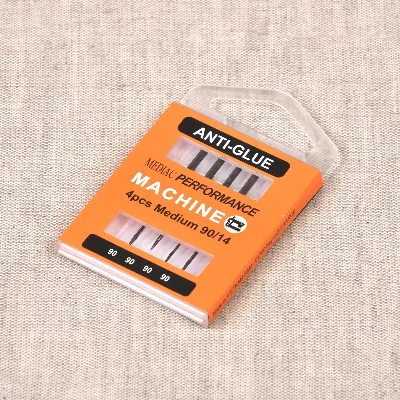
Machine Needles Anti-Glue 90/14, 4 pieces
€5.90per piece
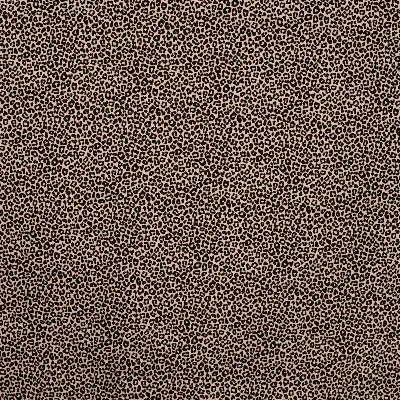
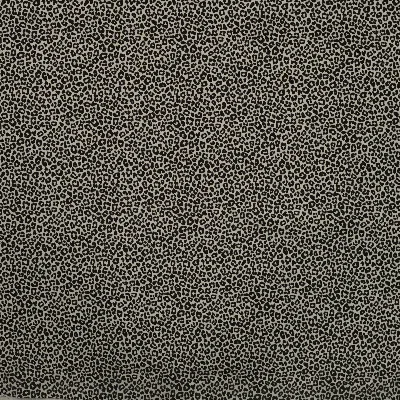
Cotton jersey, leopard print, sand
€7.95per 0.5 m
Unit price €15.90 / m
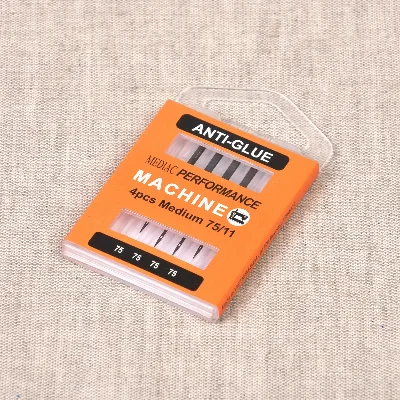
Machine Needles Anti-Glue 75/11, 4 pieces
€5.90per piece
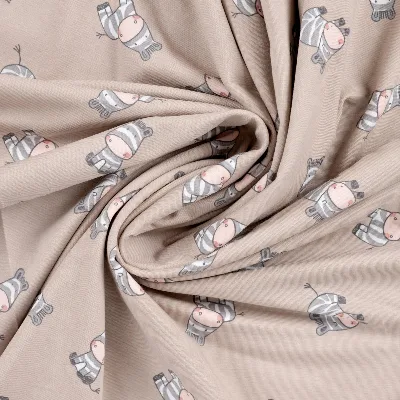
Cotton jersey, zebras, sand
€7.95per 0.5 m
Unit price €15.90 / m
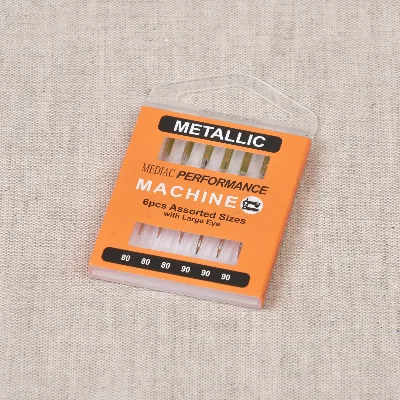
Machine Needles Metallic, assorted, 6 pieces
€4.90per piece
Cotton jersey, leopard print, khaki
€7.95per 0.5 m
Unit price €15.90 / m