Our Experience with a PDF Sewing Pattern Printing Service
You've bought a new sewing pattern, your fabric is ready and waiting - and then the taping, trimming and piecing together of 30, 50 or even more A4 pages begins. If you've ever looked up other people's experiences with PDF pattern printing services, you'll know exactly this moment. A full-size print can save you a lot of time, but only if the file, the scale and the print format are all correct.
Why a PDF pattern printing service is so handy
Many digital sewing patterns come as PDFs. They're easy to buy and convenient to store. When it comes to cutting out, though, small A4 tiles aren't always the best solution. Every page has to be printed, trimmed along the marks, taped together precisely and then checked. For a child's T-shirt that's quick enough. For a women's coat, a jacket with lots of pattern pieces or an extensive multi-size pattern, it can easily turn into an afternoon of arts and crafts.
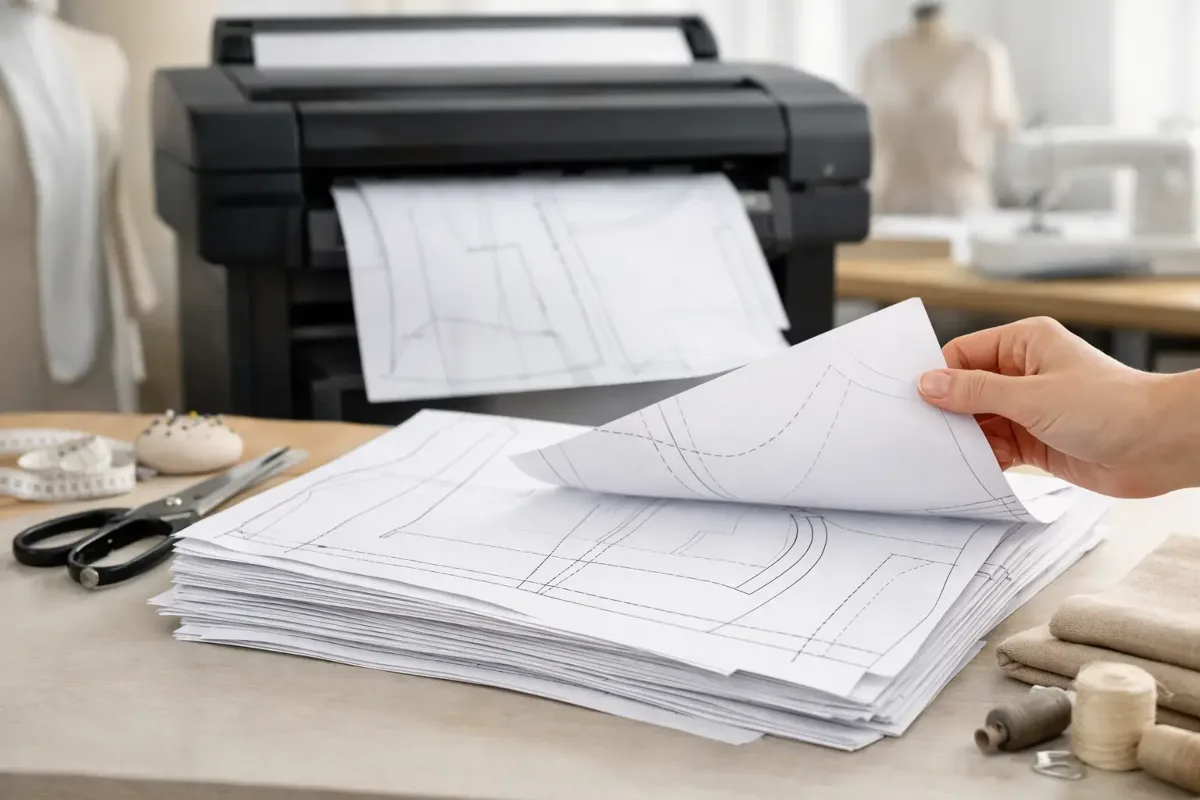
With a PDF pattern printing service, the pattern sheet is printed on a large paper format, often as an A0 print. The pattern pieces are then laid out in one piece on the sheet. Not only does this save you the taping, it also cuts down on the small inaccuracies that can creep in when assembling pages. Especially when a sheet contains several sizes, panel seams, pockets or collar variations, it's a real relief.
Experience also shows, however, that a large-format print is no substitute for careful checking. A cleanly printed sheet is the foundation, but you still need to choose the right size, the seam allowance and the markings deliberately.
Which sewing projects is printing particularly worthwhile for?
Whether the service is worth it depends less on your level of experience than on the project. If you only sew a simple garment now and then and have a printer at home, an A4 pattern will serve you well. For many sewing enthusiasts, taping pages together is even part of the routine.
It's a different story when the pattern runs to many pages or when your time at the sewing machine is limited. For adult clothing, rain jackets, softshell projects, jumpsuits or patterns with several variations, a large sheet is often much more pleasant to work with. It's also practical for favourite patterns you return to again and again: the sheet can be carefully folded and reused, while you trace your chosen size onto transparent pattern paper.
Printing is also especially helpful if you want to prepare several projects at once. Instead of wrestling with printer settings and sticky tape before every sewing evening, you can put fabric, ribbing, zip and pattern together straight away. This makes planning much clearer - for example for a set of T-shirt, leggings and hoodie, or for a bag with lining and interfacing.
Our experience with a PDF pattern printing service: what really matters
The most important rule is this: not every PDF file is automatically set up for large-format printing. Before uploading or handing in your file, check the pattern designer's information. If it says "A0 file", "copy shop file" or "large format", that's usually the right version. An A4 file, on the other hand, often consists of many individual pages and can't simply be transferred onto one large sheet.
Check the scale before cutting
On almost every pattern sheet you'll find a test square, often 5 x 5 or 10 x 10 centimetres. Be sure to measure this square with a ruler as soon as your print arrives. It only takes a moment and stops a top from turning out too small or a pair of trousers from ending up far too long.
The test square must be spot on. If it's off, don't cut anything yet - have the print settings or the file checked first. This is particularly critical for patterns drafted with little ease, such as leggings, bodysuits or close-fitting jersey tops.
Make the right size stand out
Many PDF sewing patterns include several sizes on the same page. That makes sense, but it can get confusing when tracing. If the file supports layers, you can often hide the sizes you don't need. That way only your chosen line remains visible and the pattern sheet looks much calmer.
This doesn't work with every file. If all sizes are printed, it's a good idea to trace over your size with a coloured pen before cutting out. If you're between sizes, you can also grade between two lines, for example at the bust, waist and hip. What matters is that you then carry these changes over consistently to the adjoining pattern pieces.
Don't guess the seam allowance
One common mistake has nothing to do with printing: overlooking the seam allowance. Some sewing patterns already include it, others only show the actual stitching line. You'll usually find this information in the instructions or in a key on the sheet.
If no seam allowance is included, you'll need to add it before cutting. For regular seams, 1 centimetre is common, while hems need more depending on the design and fabric. For stretch fabrics such as jersey or ribbing, the instructions may specify something different. So don't rely on habit - go by the information given for that particular pattern.
Preparing your file properly and sending it safely
A good print starts with a complete file. Save the original PDF after downloading it and give it a clear name, for example the pattern name, size and date. That way you'll avoid mix-ups when you have several projects on the go.
Make sure you really have selected the large-format file. Some designers supply several files: instructions, an A4 print version, a projector file and an A0 version. For a full-size paper sheet, the A0 or copy shop version is usually the one you need. The instructions don't normally need to be printed along with it, as they're easy to read on screen or printed on A4.
For copyright-protected sewing patterns, the rule is: only use files you have legitimately purchased yourself and that are intended for personal use. A printing service is there to help with your own sewing project - it isn't a way to copy or pass on patterns.
With the Die Stoffkönigin printing service, practicality comes first: your PDF file is printed as a full-size pattern sheet so you can get started on the actual project without a taping marathon. Hand in your file with as clear a name as possible, and always check the test square, size and seam allowance once it arrives.
Paper sheet or tape it yourself? An honest comparison
A large-format print costs more than a few pages on your home printer. In return, you save time, paper edges and often your nerves too. Whether it's good value for you depends on your sewing routine. If you regularly sew large or complex patterns, you'll probably find the service a real pleasure. If you rarely sew, enjoy fiddling about and only use small patterns, you may prefer to stick with the A4 version.
Your workspace plays a part as well. A large pattern sheet needs room to be spread out, weighted down and traced. On a small kitchen table, a folded A4 pattern might seem more manageable at first. But once you're cutting out on the floor or a large table, the one-piece sheet really shows its advantage: the lines stay legible, notches are quicker to find and the pattern pieces don't have to be smoothed out over taped joins.
If you want to use a pattern more than once, you don't have to cut straight into the original sheet. Trace your size onto pattern paper or use transparent film. That way the sheet stays intact for other sizes, alterations or future projects. This is especially worthwhile for well-fitting basics such as a favourite T-shirt, a raglan hoodie or a tried-and-tested pair of children's trousers.
Before the first cut: a quick check
Before cutting out, lay the sheet out flat and compare it with the instructions. Are all the pattern pieces there? Are fold lines, grainlines, notches and place-on-fold markings clearly visible? Does the fabric requirement match your planned size? This quick check stops you from accidentally cutting a sleeve on the fold or a pocket bag from the wrong fabric.
Then comes the best part: choosing your fabric, paying attention to the print direction and getting sewing. A well-prepared pattern sheet won't do the sewing for you. But it gives you exactly the freedom a creative project deserves - more time for beautiful fabrics, neat seams and a result you'll love to wear or give as a gift.
Matching categories
Matching products
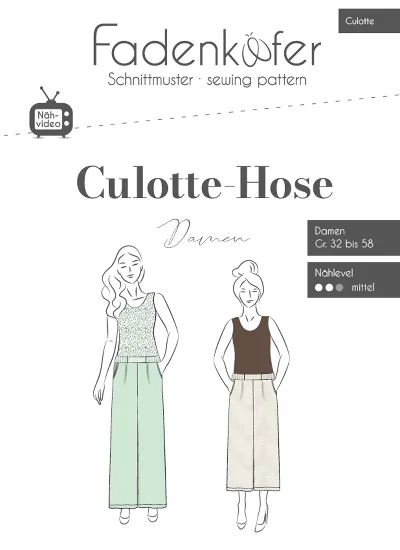
Fadenkaefer Paper Sewing Pattern Culotte Trousers
€12.90per piece
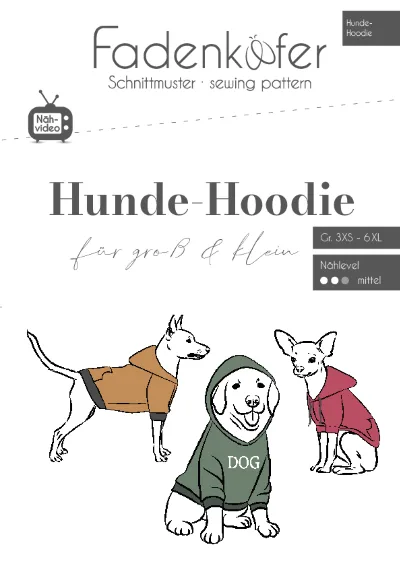
Paper Sewing Pattern Hunde Hoodie
€12.90per piece
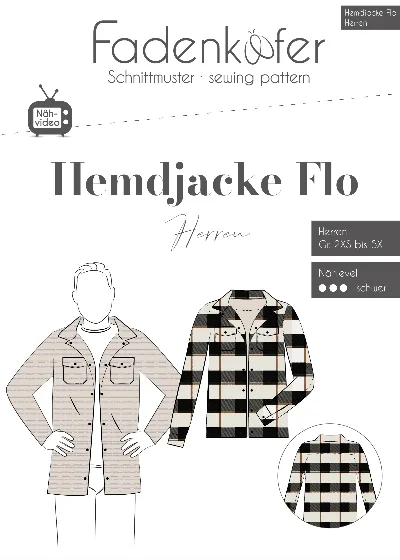
Paper Sewing Pattern Hemdjacke Flo Herren
€12.90per piece
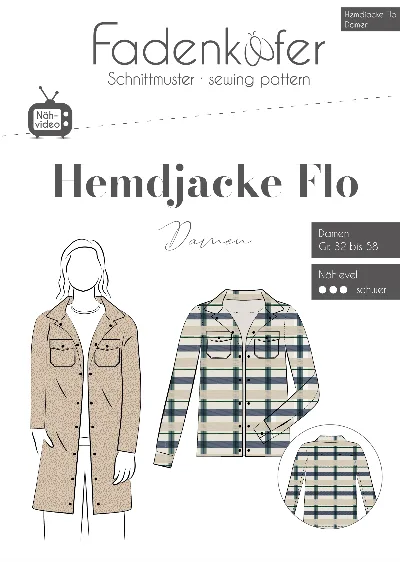
Paper Sewing Pattern Hemdjacke Flo Damen
€12.90per piece
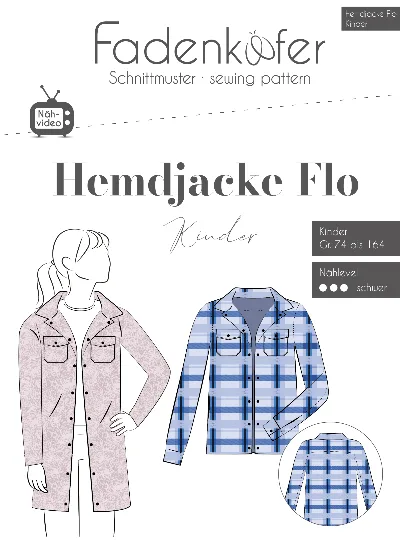
Paper Sewing Pattern Hemdjacke Flo Kinder
€12.90per piece
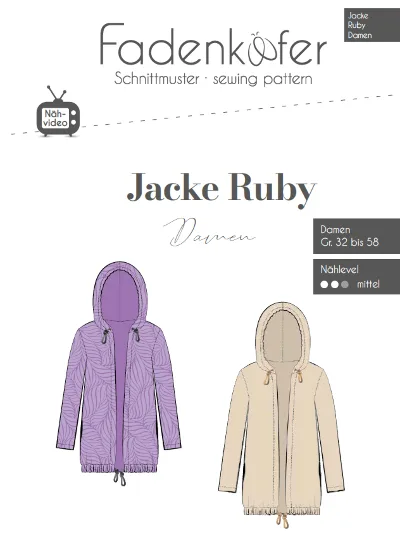
Paper Sewing Pattern Ruby Damen
€12.90per piece