7 Sewing Tools for Beginners That Really Help
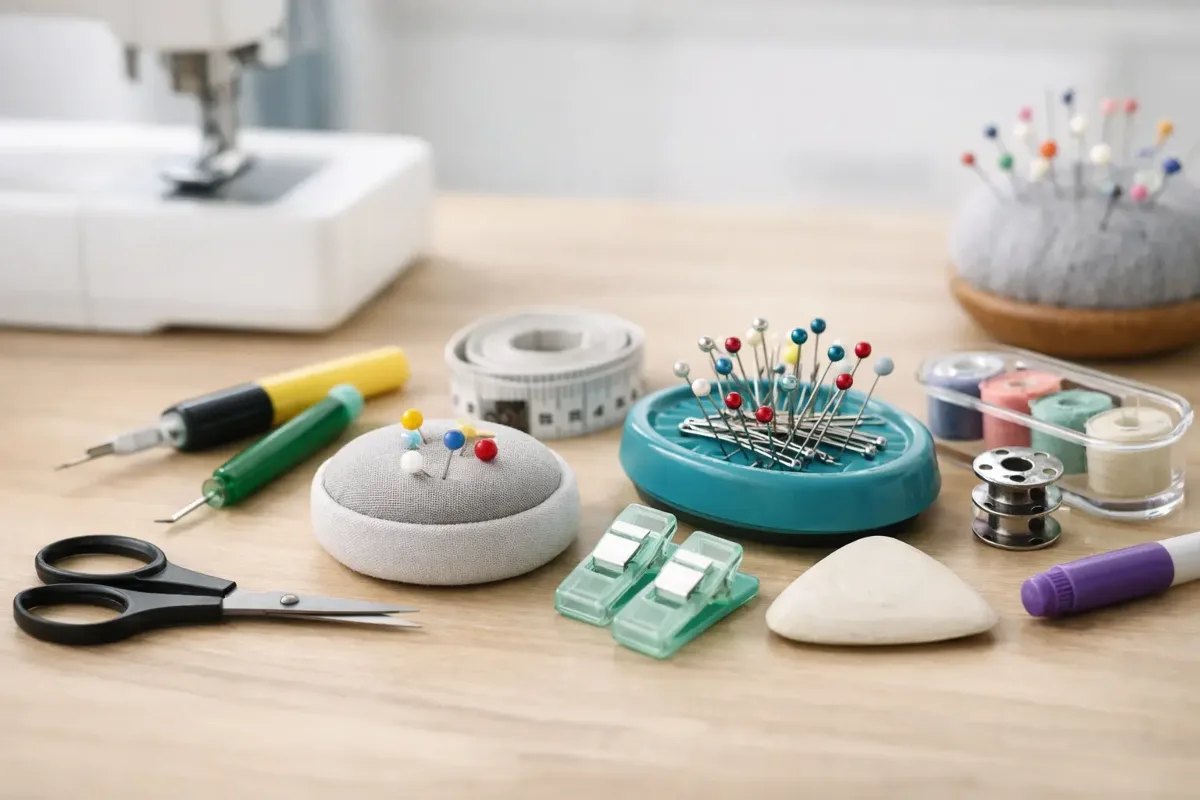
A neatly cut piece of fabric, a straight seam and no knots in your thread: that is exactly what the right little helpers are for. These 7 sewing tools for beginners won't do the practising for you, but they will spare you plenty of the usual frustrating moments. You don't need to kit out an entire sewing table or reach for specialist tools straight away. With a well-chosen basic set, simple projects such as cushion covers, drawstring bags, scrunchies or children's clothes become far more relaxing.
Especially at the start, it pays to choose your accessories based on the project you actually have in mind. If you mainly sew woven fabric, you'll need slightly different tools from someone who wants to work with stretchy jersey for a T-shirt. The following seven items, however, will be with you for almost every sewing project and remain indispensable later on too.
7 sewing tools for beginners at a glance
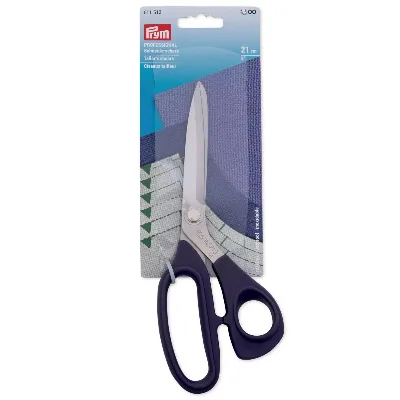
1. A good pair of fabric scissors
Fabric scissors are not something where cutting corners pays off. They should cut fabric cleanly without fraying the edge or shifting several layers. This matters, because inaccurately cut pattern pieces are hard to make up for at the sewing machine. Even a perfectly sewn seam can't rescue a piece that was cut crooked.
Look for scissors that sit comfortably in your hand and whose blades cut cleanly right to the tip. Use them for fabric only. Paper, parcel tape or pattern paper will quickly blunt the blades. It's better to keep a simple second pair next to them for paper.
For very fine fabrics, a rotary cutter can be a nice addition. It isn't essential for your first projects, though: with a good pair of fabric scissors you stay flexible and can get started without any fuss.
2. Pins or fabric clips
Before you sew, layers of fabric need to stay exactly where they belong. Pins are the classic choice for this. They work especially well for cotton, poplin, woven fabric and many dressmaking fabrics. Choose fine, smooth pins with an easy-to-see head where possible, so they don't leave unnecessarily large holes.
Fabric clips are a handy alternative, for instance with thick layers, faux leather, softshell or coated fabrics. They leave no pin holes and hold edges together reliably. With very fine or very stretchy fabrics, however, clips can be a little heavy and distort the edge of the fabric.
You don't have to decide straight away. A small pack of pins and a few clips complement each other nicely. The one important thing: take the pins out before the sewing machine needle reaches them. That protects the needle, the machine and your eyes.
3. A flexible tape measure
You'll measure more often when sewing than many beginners expect. You measure how much fabric you need, check hems, compare pattern sizes and make sure two pieces really are the same length. A flexible dressmaker's tape measure therefore belongs in every sewing corner.
A tape measure with an easy-to-read centimetre scale is all you need. It shouldn't be badly stretched or creased, as even small discrepancies can make a difference with ribbing, elastic or fit. Ideally, store it rolled up or hung loosely.
A long patchwork ruler will come in handy later for straight lines. To begin with, though, a tape measure and the markings on your cutting mat or work table, if you have them, are enough.
4. Tailor's chalk or a disappearing marker
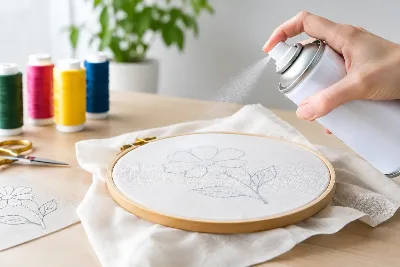
Darts, notches, pocket positions, hemlines or the centre of a pattern piece: many markings need to be transferred from the sewing pattern to the fabric. Tailor's chalk, a chalk pencil or a self-erasing disappearing marker are all suitable for this. Which option suits you best depends on the material and the way you work.
Chalk can usually be brushed or washed out and shows up well on many fabrics. White or light chalk helps on dark fabrics, and coloured chalk on light ones. A disappearing marker draws very finely, but on some fabrics it can vanish sooner than you'd like, especially with heat, moisture or if the project is left lying for a while.
Always test marking tools on a fabric scrap. It takes a minute and saves you visible lines on your finished favourite piece. Also, only mark as much as necessary so the fabric stays easy to read.
5. A seam ripper
The seam ripper is the little helper you may be reluctant to buy at first and then need all the time. A seam started in the wrong place, the bobbin tension is off or the pocket sits two centimetres too high? It happens to everyone, including experienced sewists. A mistake neatly unpicked is better than a project that annoys you every time you look at it.
You cut through individual stitches with the fine point, while the little ball protects the fabric. Work slowly and don't pull too hard on the thread. With delicate fabrics or jersey, too much tension can cause small holes.
A good seam ripper should be sharp and comfortable to hold. If the blade goes blunt, it's worth replacing. It makes a noticeable difference, especially on long seams.
6. Iron and pressing cloth
When sewing, pressing isn't a step saved for the very end. After cutting, before hemming, after every seam and when shaping edges, heat often makes all the difference to a neat result. Seams lie flatter, hems are more even and pattern pieces can be joined more precisely.
An ordinary iron will do. What matters is adjusting the temperature to the fabric. Cotton usually tolerates more heat than jersey with synthetic fibres, softshell or coated fabrics. A pressing cloth protects delicate materials and prevents shiny marks, for example on dark fabrics.
Make sure you first press seams flat as sewn and then press them open or to one side, depending on what the sewing pattern says. Pushing the iron around instead of pressing can distort the fabric pieces. Careful pressing shows straight away, particularly on small items such as little bags, ribbing or children's clothes.
7. Hand sewing needles and matching thread
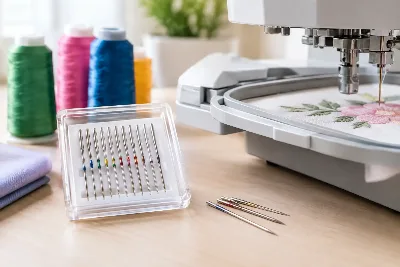
Even if your sewing machine does most of the work, there are moments that call for a few hand stitches. Closing a turning gap, sewing on a button, securing a hem invisibly or fixing a loose seam: for all of these you need hand sewing needles and a thread that suits the project.
A small needle set in various sizes is a sensible start. Fine needles suit lightweight cotton or viscose, slightly sturdier ones canvas, denim or several layers of fabric. When it comes to thread, a high-quality all-purpose sewing thread is a reliable basis for many projects. It should match the colour of the fabric and shouldn't fluff up or keep snapping.
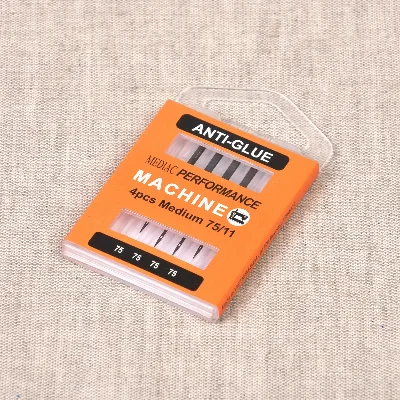
For jersey and other stretch fabrics, the right machine needle matters even more than the thread. A jersey or stretch needle helps prevent skipped stitches and is gentler on knit fabric. It doesn't get its own place on this list, but it really is important for your first T-shirt.
What you don't need to buy straight away
Sewing accessories can quickly become very tempting. Special presser feet, large rulers, bone folders, overlocker thread in lots of colours or a huge set with dozens of tools all have their place, just not necessarily before your first project. It's better to buy as you go: what actually held you back the last time you sewed?
If you'd like to sew bags, for example, fabric clips, a point turner and perhaps a heavier thread will soon be useful. For clothes made from jersey, suitable needles, ribbing and a stretch stitch are more important. If you do patchwork, you'll benefit sooner from a cutting mat, rotary cutter and patchwork ruler. So the right accessories don't follow a rigid list, but depend on your fabric, sewing pattern and plans.
At Die Stoffkönigin, you can get personal advice on choosing fabric, thread and haberdashery. Especially if you're unsure whether a material is stretchy, coated or particularly thick, a quick assessment will get you further than buying accessories on the off chance.
How to set up your sewing space sensibly
Keep your scissors, tape measure, marking pen, pins or clips and seam ripper within easy reach. A small dish for pins and thread ends stops them disappearing onto the floor or into the fabric. Your iron should be ready to hand too, because if getting to the ironing board is too much of a hassle, this important step is easily skipped.
Then start with a manageable project and take time to sew a test strip. Use it to check stitch length, thread tension and how your markings behave. A scrap of the fabric you're using is ideal, because jersey, canvas and cotton all behave differently at the machine.
Your first sewing tool doesn't have to look perfect or be particularly fancy. It's there to make your work easier. When your scissors, tape measure and seam ripper work reliably, you have more peace of mind for the best part of sewing: turning a flat piece of fabric into something all your own.
Matching categories
Matching products
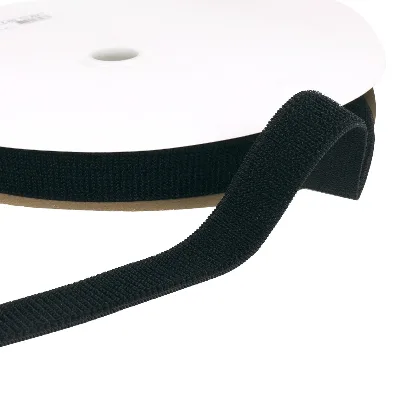
Elastic Hook and Loop Tape 25 mm in Black
€1.75per 0.5 m
Unit price €3.50 / m
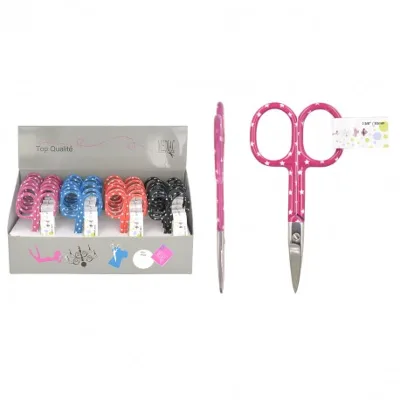
Embroidery Scissors with Stars, Assorted
€5.90per piece
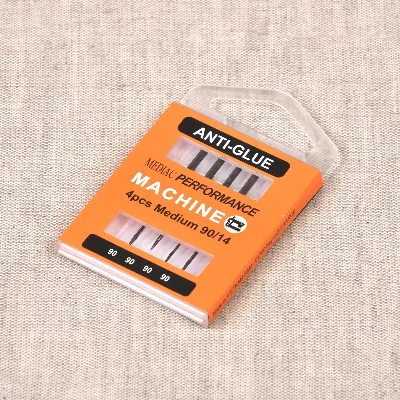
Machine Needles Anti-Glue 90/14, 4 pieces
€5.90per piece
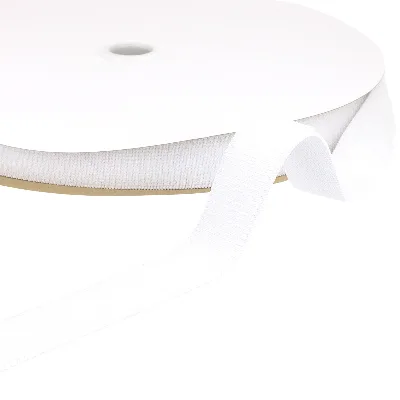
Elastic Hook and Loop Tape 25 mm in White
€1.75per 0.5 m
Unit price €3.50 / m
Prym Professional pair of scissors 21 cm in Violet
€29.00per piece
Machine Needles Anti-Glue 75/11, 4 pieces
€5.90per piece