12 Upcycling Ideas for Sewing with Old Clothes
The zip still works, the fabric feels lovely, but the cut just doesn't fit any more? That's exactly when it's worth looking at upcycling ideas for old clothes. A worn-out shirt, a jersey jumper that's too small or a pair of jeans with a threadbare knee often provide more usable material than you'd first think. With a little planning, you can turn them into pieces that don't look like leftovers but like something sewn with real intention.
Before you cut: assessing your clothes properly
Wash old clothes first, even if they look clean. This stops your new sewing project from warping later on or colours from running. Then check the fabric quality and how hard-wearing it still is: has the fabric become thin, are there stains, pilling or brittle areas? If so, it's better to use the well-preserved sections for small projects, appliqués or details.
Pay attention to the type of fabric, too. Cotton woven fabric is wonderful for bags, fabric storage baskets, patchwork and décor. Jersey stays stretchy, making it ideal for hats, snoods or panels on children's clothing. Denim, canvas and corduroy are tougher and work well as bag bases, knee patches or sturdy cases. With very stretchy or slippery fabrics, it helps to use pins sparingly before cutting and to stabilise the edges if needed.
Pockets, button plackets, ribbing and hems are particularly valuable. They save you time and give your new project a neat, professional finish. Not every garment needs to be taken apart completely: sometimes an existing seam or a shirt pocket is exactly the detail that makes your upcycled piece special.
12 upcycling ideas from old clothes for your sewing room
1. A men's shirt becomes a shopping bag
The back of a shirt often offers enough fabric for a lightweight tote bag. The button placket can stay as a closure, and the chest pocket becomes a handy outer pocket for keys or a shopping list. For extra stability, line the bag with a firm cotton fabric. This is advisable with thin shirting; with densely woven flannel, you may be able to skip the lining depending on how you'll use the bag.
2. Denim scraps as a sturdy make-up bag
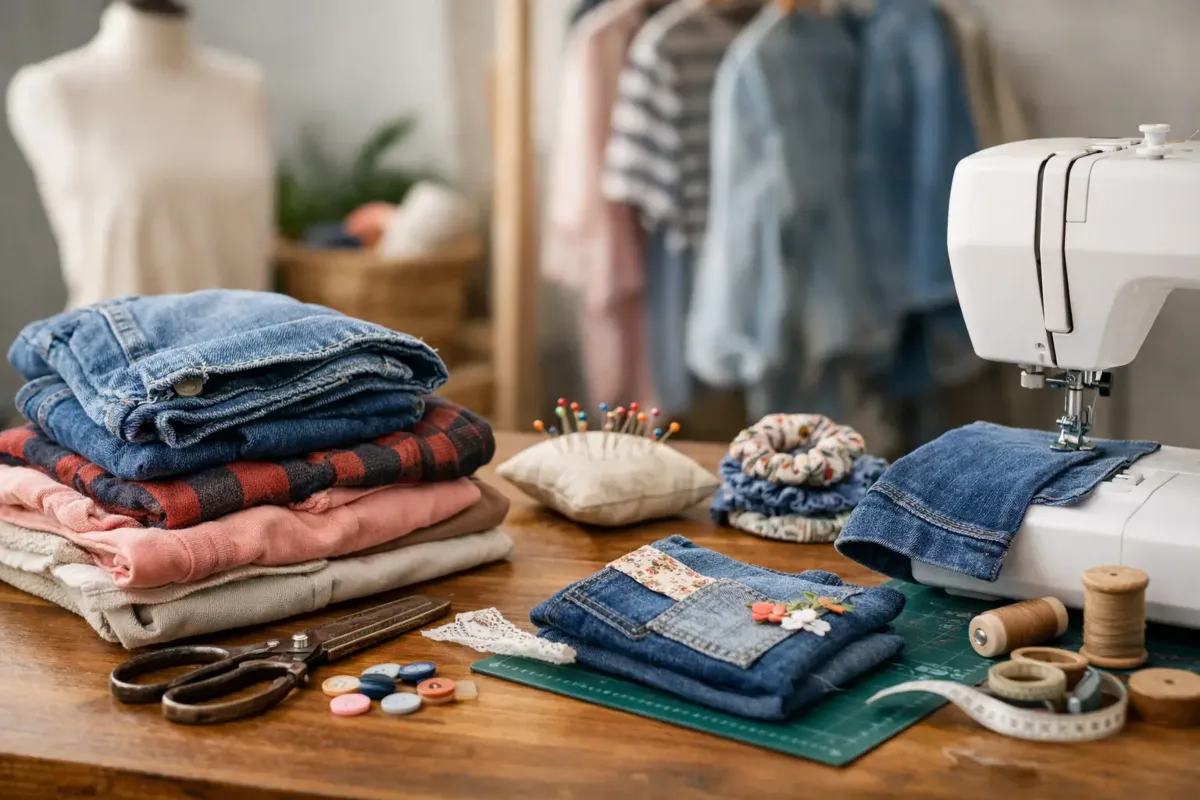
The well-preserved legs of a pair of jeans are made for little pouches. Combine denim with a colourful cotton lining and insert a zip. You can sew the back pocket onto the outside - creating a compartment for hair grips, pens or bits and bobs. Avoid very thick jeans seams when cutting, or carefully tap them flatter where they cross.
3. Using T-shirt fabric for a children's snood
Soft T-shirts that aren't too thin are easy to turn into snoods for children. Measure the child's head circumference and take the stretch of the jersey into account. A T-shirt with a lovely motif often just needs a coordinating fabric for the inside. With used prints, check they aren't cracked, as these areas can give way further after just a few washes.
4. Rescuing favourite motifs as appliqués
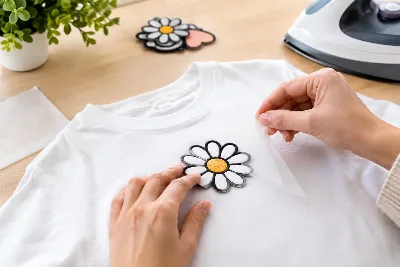
A great animal, a band logo or a pattern on a discarded T-shirt doesn't have to disappear along with the rest of the garment. Cut the motif out generously, reinforce it with a thin iron-on interfacing if needed and appliqué it onto a new T-shirt, a drawstring bag or a cushion. A narrow zigzag stitch or a decorative straight stitch will hold the edges securely.
5. Shirt cuffs as small storage pouches
Cuffs are already neatly finished and come with a button. With a few stitches and a piece of fabric, they become little cases for earphones, sewing clips or jewellery. It's a lovely beginner project because you need hardly any pattern pieces. Patterned shirts look especially pretty, particularly if you reuse their fabric for a matching inner lining.
6. Sewing warm arm warmers from jumpers
A knitted or fleece jumper with sleeves that are too short can live on as material for arm warmers. Cut the sleeves to the length you want and hem the open edges with a stretch stitch. If the ribbing is still in good shape, simply keep it. With chunky knits, it's worth finishing the cut edge before sewing so it doesn't unravel.
7. Patchwork cushions from keepsake fabrics
Children's clothes that are too precious to give away are perfect for a memory cushion. Cut equal-sized squares or rectangles from sturdy areas and combine different colours and patterns. Very stretchy jersey pieces need a light interfacing so the patchwork doesn't ripple as you sew it together. For the back, feel free to use a new, coordinating cotton fabric - this helps the cushion keep its shape.
8. Knee patches for well-worn children's trousers
If only the knee of a pair of trousers has worn through, there's no need to throw them out. Cut oval or square patches from denim, corduroy or softshell, slightly larger than the worn area. Sew them on close to the edge and secure them with an additional decorative stitch. Softshell is practical for waterproof trousers, while corduroy or denim suit everyday trousers. Important: lay the trousers flat before sewing so that both knees sit at the same height.
9. A dress becomes an apron
A dress with a lovely skirt but a damaged bodice can often be transformed into an apron. Use the hem as a ready-made bottom edge and cut the top section to shape. The ties can be made from the leftover fabric or sewn from bias binding. With lightweight viscose, a cooking apron tends to be more decorative - for frequent kitchen use, sturdy cotton is the better choice.
10. Fabric scraps become washable make-up remover pads
Soft cotton jersey, towelling or flannel are ideal for reusable pads. Sew two layers of fabric right sides together, turn them out and topstitch close to the edge. For the washing machine, it's best to keep the pads in a small laundry bag. Very pale fabrics that stain easily soon look used here - colourful scraps are much more practical for everyday use.
11. Jeans legs as a pencil or tool roll
Long, straight pieces of denim are ideal for a roll-up case. Sew several stepped pockets onto a rectangle and add a tie to close it. It's the perfect home for paintbrushes, crochet hooks, screwdrivers or coloured pencils. If the material is very thick, choose a denim needle and test the stitch length on a scrap first.
12. Using small fabric pieces for hair accessories
Even the very last scraps can become scrunchies, headbands or bows for hair clips. With dresses and blouses in pretty prints especially, it's a lovely way to keep wearing a favourite fabric. For scrunchies, the fabric shouldn't be too stiff; cotton poplin, viscose or lightweight jersey work well. A piece of elastic inside makes sure the accessory holds up to everyday wear.
When new material is the better addition
Upcycling doesn't mean that absolutely everything has to be made from used fabrics. A project often turns out nicer and lasts longer when you deliberately combine old clothes with new fabric by the metre. A lining fabric gives a shirt bag more structure, matching ribbing rescues the finish of a child's jumper, and a fresh zip is what turns denim scraps into a reliable little pouch.
Especially with small amounts of fabric, it's worth choosing colour and material carefully. Blue denim pairs well with floral cotton prints, a calm plain fabric or colourful woven labels, for example. Children's projects can be more colourful, while for bags a combination of patterned outer fabric and plain lining often looks especially neat. If you're unsure, lay your old clothes next to possible coordinating fabrics in daylight - you'll spot colour differences much more clearly than under artificial light.
So your upcycling project brings lasting joy
Only use areas of fabric that are still sturdy enough for their new purpose. A pair of jeans that has worn thin may not be suitable for a heavy shopping bag, but it's wonderful for an appliqué. Reinforce stress points such as bag corners, strap attachments or zips with extra fabric or interfacing. And don't forget: small mistakes, visible mending stitches or mixed materials aren't flaws in upcycling. They show that you've made something of your own from something that already existed.
So next time you clear out your wardrobe, set aside a box for good pieces of fabric. Over time, it will grow into a personal stash full of colours, memories and possibilities - and the right idea often comes along just when you need it.
Matching categories
Matching products
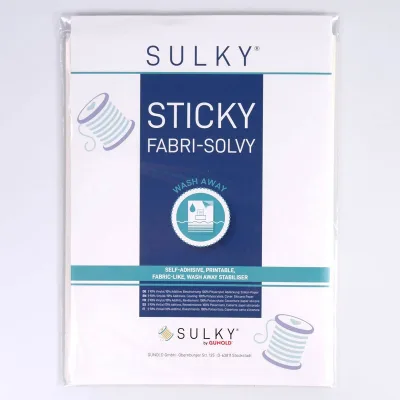
Sulky Sticky Fabri-Solvy 12 sheets 21.5 × 28 cm in White
€24.50per piece
Unit price €34.03 / m²
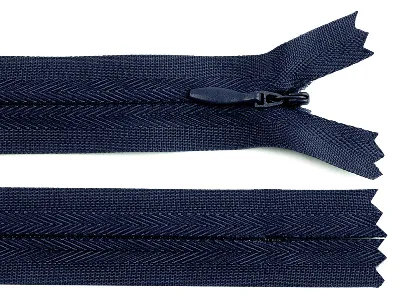
Concealed Zip, 20 cm, Dark Grey
€1.20per piece
Unit price €6.00 / m
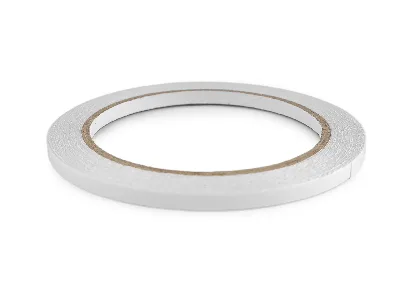
Double-Sided Fabric Tape, 5 mm, 18 m
€6.90per piece
Unit price €0.38 / m
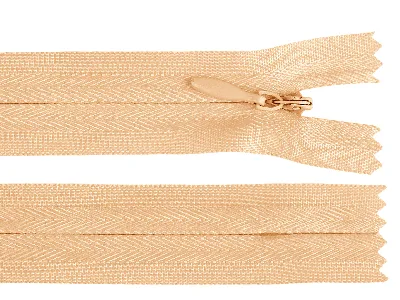
Invisible Zip 40 cm Peach
€2.20per piece
Unit price €5.50 / m
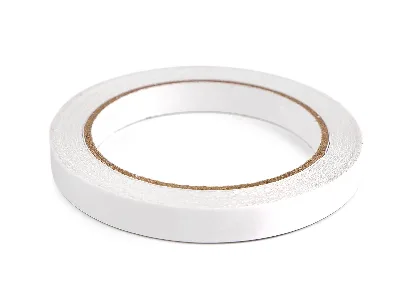
Double-Sided Fabric Tape, 12 mm, 18 m
€10.90per piece
Unit price €0.61 / m
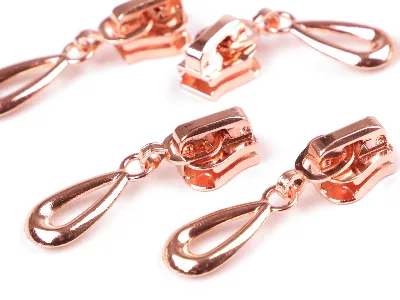
Zip Slider in Rose Gold
€0.95per piece