Sewing woven fabric or jersey – which suits your project?
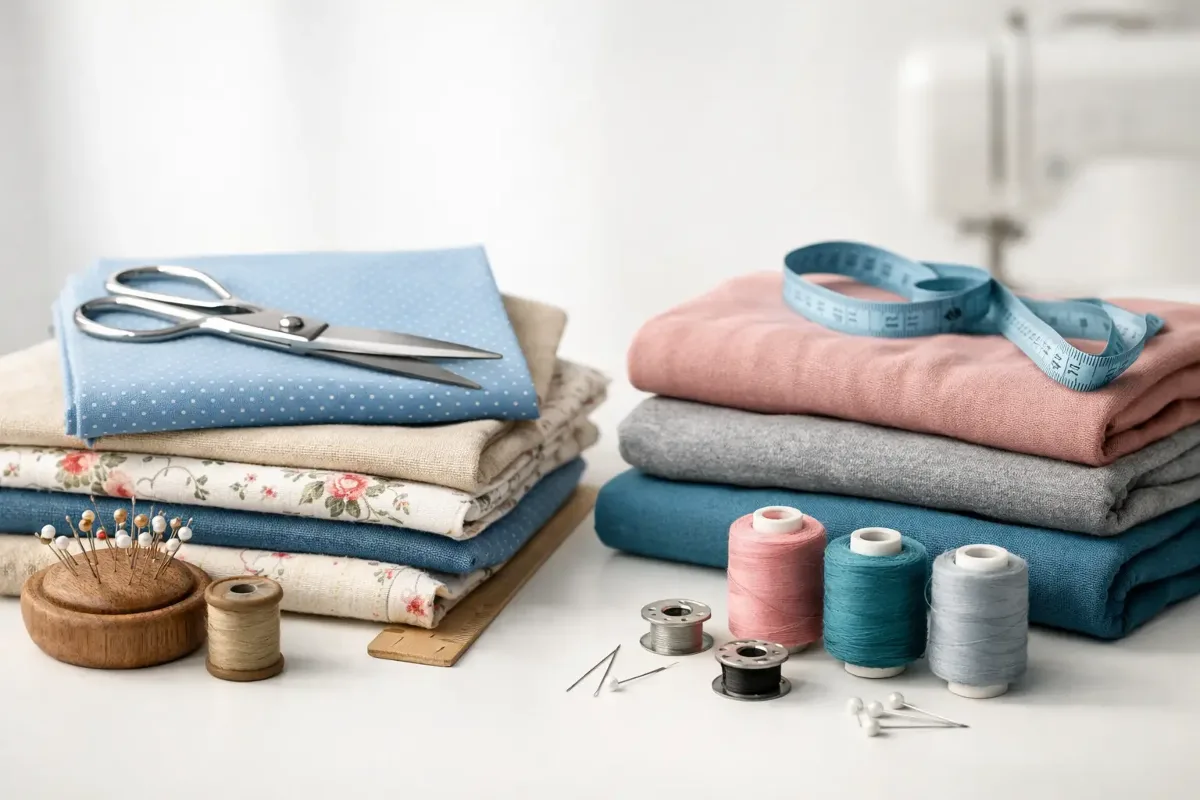
The sewing pattern is ready, you've found the perfect print – and then comes the big question: should you sew with woven fabric or jersey? Both types of fabric have their strengths, feel completely different and don't behave the same way at the sewing machine. If you choose your fabric to suit your project, you'll sew in a more relaxed way and enjoy your handmade piece for longer.
Woven fabric or jersey: the everyday difference
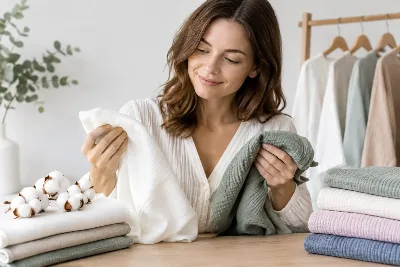
The most important difference is obvious as soon as you touch them. Jersey is a knitted fabric. Its looped structure usually makes it stretchy across the grain, and often in both directions. It hugs the body, gives as you move and is therefore the classic choice for comfortable clothing.
Woven fabric, on the other hand, is made from interlaced warp and weft threads. It usually has very little stretch, but it holds its shape well and is often particularly easy to press and cut. Cotton woven fabric, muslin, canvas, poplin and viscose woven fabric are among the fabrics that quickly come into play for many sewing projects.
Neither fabric is better in principle. A loose summer dress in viscose woven fabric can drape beautifully, while a close-fitting jersey dress moves comfortably with you. What matters is the pattern, the fit you want and what the garment will be used for.
When jersey is the right choice
Jersey works well whenever clothing needs freedom of movement. T-shirts, leggings, underwear, pyjamas, harem trousers, beanies and comfy children's clothes are typical jersey projects. A hoodie or a casual dress can also turn out well in a slightly firmer cotton jersey.
Jersey is especially popular for babies and children: the clothes are easy to put on, don't restrict them while playing and, thanks to the stretch, grow with them a little. With patterns for adults, it's worth checking the fabric recommendations. If it says "stretch jersey", for example, the pattern needs exactly that property for the necklines, sleeves and fit to work.
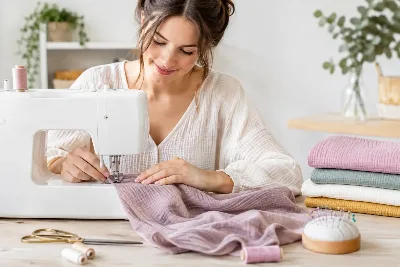
If you're new to sewing, jersey can feel a little intimidating at first. The fabric can curl when you cut it, stretch as you sew or go wavy at the edges. But with a jersey needle, a stretch stitch and a bit of patience, it's very manageable. A narrow zigzag or a stretch stitch makes sure the seam doesn't snap when you pull the garment on. If you own an overlocker, you can finish jersey very neatly and elastically, but it isn't essential.
Jersey needs room to stretch
A common mistake is simply sewing a pattern designed for woven fabric in jersey. Because jersey gives, the garment can end up fitting much more loosely than planned. Conversely, a top drafted for jersey often turns out too tight in non-stretch woven fabric, especially at the neck opening or the sleeves.
So keep an eye on the stretch requirement in the sewing pattern. Some patterns call for around 30 per cent stretch, others 50 per cent. It's easy to check: gently stretch 10 centimetres of fabric across the grain, at right angles to the selvedge. If it reaches 13 centimetres, the stretch is roughly 30 per cent.
When woven fabric suits your project better
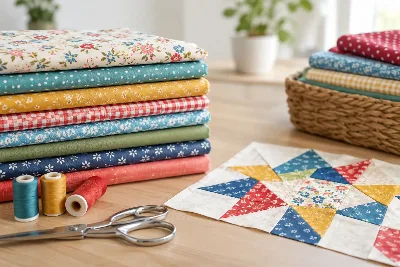
Woven fabric is the right choice when your project needs structure, crisp edges or a stable shape. It's ideal for bags, fabric baskets, cushion covers, patchwork, table runners, bunting and lots of home décor projects. Cotton woven fabric is also a lovely all-rounder for aprons, skirts, blouses, shirts and lightweight children's clothes.
With non-stretch garments, the design of the pattern is especially important. Button plackets, zips, facings, darts and gathers create the ease a garment needs to fit over your head, shoulders or hips. And that's where a creative advantage lies: woven fabric shows off details such as patch pockets, collars, ruffles and pleats beautifully.
Canvas and heavier home décor fabrics are ideal for projects that need to be hard-wearing, such as shopping bags, rucksacks or baskets. Fine poplin, by contrast, looks smooth and neat for blouses or children's shirts. Muslin is soft and airy but holds its shape less well – wonderful for scarves, loose trousers or light summer clothes. Viscose woven fabric drapes fluidly and elegantly, but needs a little care when cutting because it tends to slip.
Woven fabric frays – that's just part of it
Unlike jersey, raw edges on woven fabric can fray. So finish your seam allowances after sewing with a zigzag stitch, an overlock stitch or an overlocker. On bags and home décor items, edges are often hidden inside the lining or bound with bias binding.
A universal needle is suitable for most woven fabrics. For very fine fabrics, a thinner needle is a good idea; for canvas or several layers, a sturdy denim needle is a better bet. Always test your stitch length and thread tension on a scrap first. That saves frustration, especially if you've only got just enough fabric for your pattern pieces.
The pattern guidance matters more than the print
A fabric with pretty flowers, animals or a graphic print can easily tempt you into an impulse buy. But for a successful project, the type of fabric needs to be right first. A sweet jersey with woodland animals won't turn a pattern for a sturdy bag into a well-made bag. Likewise, a gorgeous canvas will be uncomfortable and far too stiff as a T-shirt.
When reading a sewing pattern, don't just look for "jersey" or "woven fabric" – check the fabric weight and the recommended quality too. A lightweight viscose jersey drapes differently from a dense French terry. A thin cotton poplin behaves differently from a heavy upholstery fabric. If you're torn between two qualities, it helps to picture how the finished garment should hang: should it flow softly, stand away from the body or withstand plenty of wear?
The amount of fabric you need can vary, too. Stretch fabrics often need less ease in close-fitting patterns, whereas woven fabric calls for more metres for pleats, gathers or wide sleeves. With large-scale prints, it's worth allowing a little extra so you can position motifs nicely on the front, pockets or hood.
The right kit makes sewing easier
When sewing jersey, a jersey or stretch needle, fine pins or fabric clips and a stretch stitch all help. Don't pull the fabric from behind as you sew – the machine feeds it through by itself. If your seams still go wavy, a sheet of tissue paper under the fabric can help, or you can reduce the presser foot pressure slightly if your machine has that function.
For woven fabric, the basic kit is often enough: a universal needle, straight stitch, good scissors or a rotary cutter and a way of finishing the edges. Pressing is especially valuable with woven fabric. Well-pressed seams make a huge difference to whether a garment sits neatly or a bag keeps its shape.
For both types of fabric: prewash your fabric before cutting if the finished piece is going to be washed later. Natural fibres can shrink, and strong colours may bleed a little in the first wash. Prewashing stops your lovingly sewn garment from suddenly being too small after its first wash.
If you're unsure: let the project guide you
For a T-shirt, leggings or a comfy children's jumper, jersey is usually the safe choice. For a bag, a cushion, an apron or a blouse with a button placket, woven fabric is the better fit. In between, there are lots of lovely options: a jersey dress with woven pockets, a woven skirt with jersey ribbing or a lined drawstring bag all combine the best of both fabric worlds.
So you don't have to commit to one type of fabric for good. Small test pieces in particular are a great way to get to know your material and your machine. At Die Stoffkönigin you'll find fabrics available in small quantities – ideal for trying out an idea or putting together exactly the right combination for a project. Take your pattern, feel the fabric and choose according to how you want your finished piece to fit, drape and be used.
Matching categories
Matching products
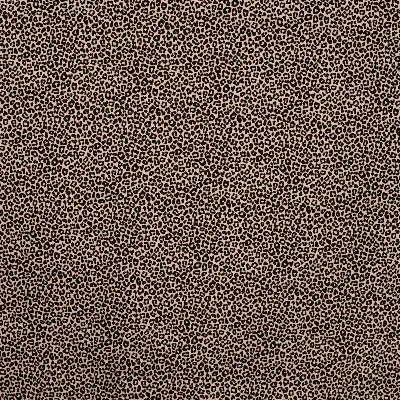
Cotton jersey, leopard print, sand
€7.95per 0.5 m
Unit price €15.90 / m
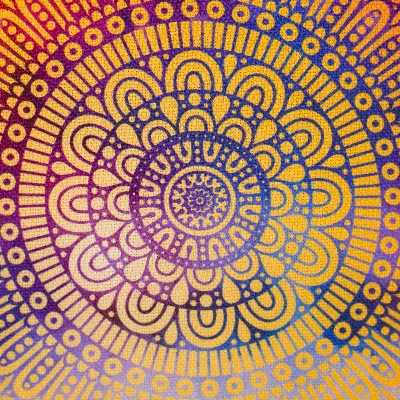
Canvas Doha Mandalas Pink/Purple by Swafing
€7.45per 0.5 m
Unit price €14.90 / m
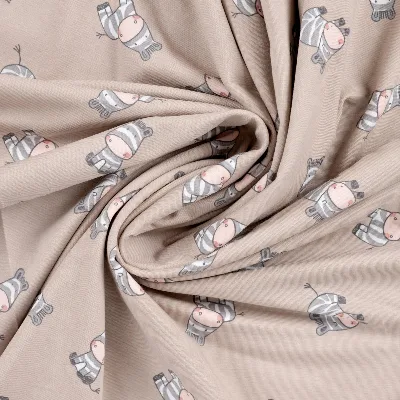
Cotton jersey, zebras, sand
€7.95per 0.5 m
Unit price €15.90 / m
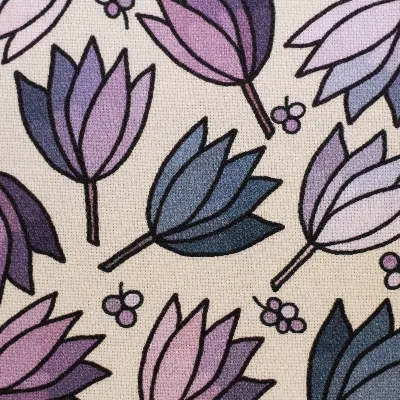
Canvas Floral Tales by Emjo Design Tulips on Cream by Swafing
€7.95per 0.5 m
Unit price €15.90 / m
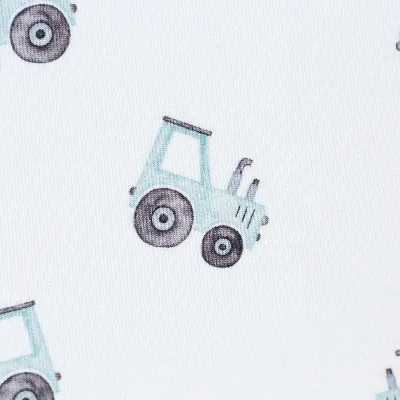
Cotton Jersey Nara Tractors on White by Swafing
€8.45per 0.5 m
Unit price €16.90 / m
Canvas Doha Leopard in Apricot/Brown by Swafing
€7.45per 0.5 m
Unit price €14.90 / m