Zero-waste sewing: making good use of fabric scraps
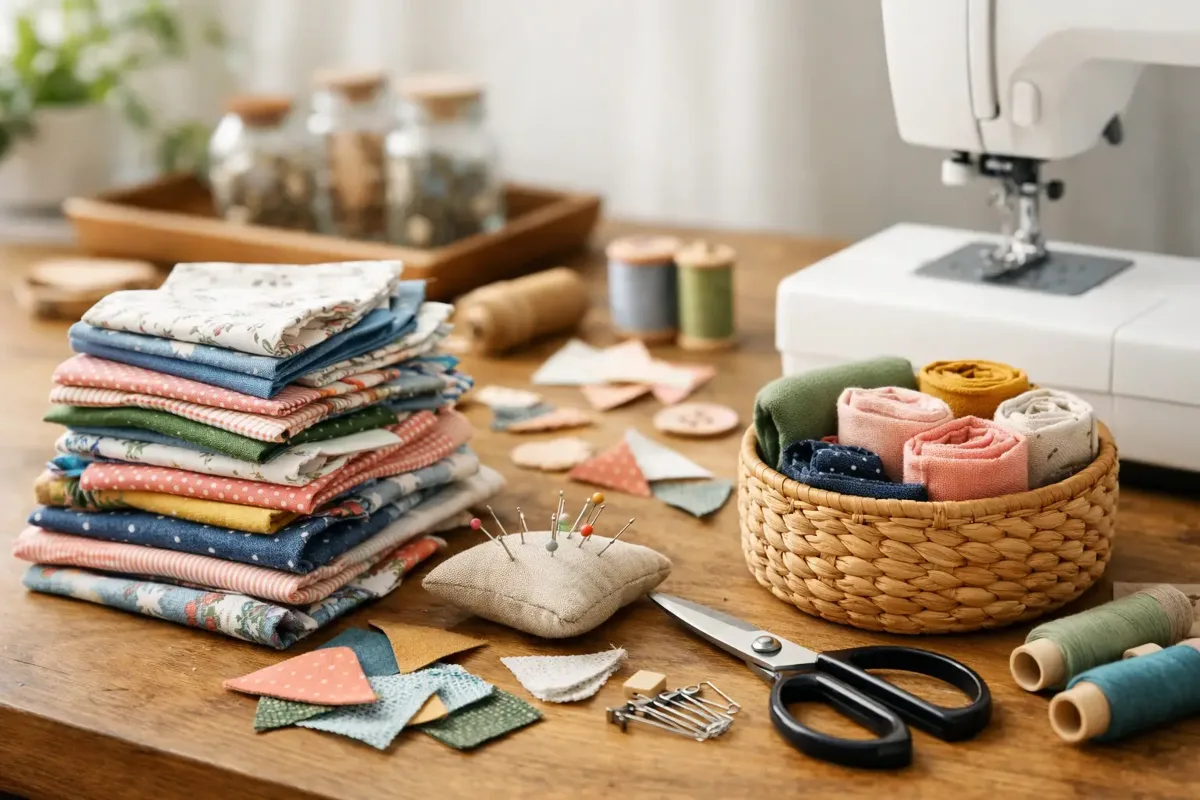
A piece of leftover ribbing that's just enough for a hat. A lovely woven fabric with only half a metre left after making a dress. And the question of whether you can really still sew something from it. This is exactly where zero-waste sewing begins: not with the ambition of never having a single scrap left over, but with the wish to choose fabric more thoughtfully, cut more cleverly and see leftovers as material full of possibilities.
That's good for your purse and for your sewing space. Above all, though, the most personal pieces often come from what you already have: a pocket bag in a contrasting colour, a patch on a pair of children's trousers or a little pouch made from your favourite fabric.
What zero-waste sewing really means
The term sounds radical, but in everyday sewing it's surprisingly practical. It's all about avoiding waste as far as possible. That starts with planning your project and doesn't end at cutting out. A sewing pattern that uses the full width of the fabric is one option. A bag made from several scraps is another. Durable clothing that fits well and is worn often is also part of a more mindful approach to materials.
Sewing doesn't always work entirely without offcuts. Curves, bias grain, pattern direction or a particular fabric width all set limits. If you want to cut a checked fabric so that it matches perfectly, for example, you'll sometimes need a little more material. That isn't a mistake. What matters is planning realistically and not automatically regarding the leftovers as worthless.
So zero-waste sewing doesn't mean putting yourself under pressure with every project. It means making good decisions: buying the right fabric, arranging pattern pieces sensibly and keeping a use for smaller offcuts in the back of your mind.
Waste less fabric before you even buy it
The most effective step happens before the scissors touch the fabric. Take a close look at the sewing pattern: what fabric width does it assume? Do any pattern pieces need to be placed on the fold? Does the garment need ribbing, lining or interfacing? And how do your requirements change if you combine two fabrics?
It's especially worth taking a careful look when sewing for children. A top might need half a metre of jersey, but the neck and cuff ribbing can be cut from a leftover you already have. For trousers, a small piece of contrast fabric can be used for knee patches or pockets. That way you shop more purposefully without compromising on quality or results.
Your choice of fabric also affects what the leftovers can become later. Plain jersey, sweatshirt fabric, ribbing, cotton woven fabric and canvas are particularly rewarding because they combine so well. A bold print is beautiful, but if the motif is very large, the leftovers are often only good for small accents. Where it makes sense, pair it with a matching plain fabric right from the start. This gives the project a calmer look and increases the chance of using up both materials completely.
At Die Stoffkönigin you can order fabrics from just 20 cm. This is especially handy when all a project is missing is a splash of colour, some ribbing or a small lining piece. Just make sure you check the measurements of your pattern pieces beforehand: not every piece will fit across the full fabric width with a small amount.
Choosing the right sewing pattern
Not every sewing pattern is automatically scrap-friendly. Large, strongly curved pattern pieces for full skirts or circle dresses tend to leave gaps in between. That might still be exactly the right project. If you want to save fabric, however, straight-lined patterns are often easier: tops, leggings, harem trousers, snoods, cushion covers, fabric baskets or bags usually make better use of the space.
Also look out for sewing patterns that deliberately combine different fabrics. Colour blocking, yokes, contrast sleeves or patch pockets don't look like scrap projects – they look like design. In children's clothing especially, smaller pieces of fabric can be used very harmoniously this way.
Plan your cutting instead of just diving in
Lay all the pattern pieces on the fabric before you cut. This small extra step saves a surprising amount of material. Rotate pieces within the permitted grain direction, slide smaller pieces into the empty spaces and check whether pockets, facings or ribbing would work in a contrast fabric.
With fabrics that have no visible direction, you can often turn some pattern pieces through 180 degrees. With fabrics that have a pile, sheen, lettering, figures or a clear pattern direction, that isn't possible – all pieces then need to point the same way. Watch out for this with one-way printed jersey too, or a motif may end up upside down.
A common mistake is cutting out the large pieces first and only then thinking about where the small ones will fit. It's better to look at all the pieces as a whole. Lay out the largest pattern pieces first, but don't cut yet. Then place sleeves, pockets, ribbing or facings in the gaps. Take a quick photo of the layout on your phone if you want to lay it out the same way again later.
Seam allowances deserve attention too. Some sewing patterns already include them, others don't. Adding them twice uses fabric unnecessarily and changes the fit. Forgetting them leaves you with too little material at the seam. A glance at the instructions before cutting prevents both.
Sort your fabric scraps so they stay usable
A big basket of unsorted scraps is creative, but rarely practical. Instead, sort fabrics by type and approximate size: jerseys with jerseys, woven fabrics with woven fabrics, ribbing separately. Very small scraps can go in their own box, while larger pieces stay neatly folded with a little note attached, such as "50 x 30 cm sweatshirt fabric" or "ribbing, 20 cm high".
This note saves time later. You won't have to spread out and measure every piece again when you're looking for something for a doll's top, a bib or an inside pocket. The grain of the fabric also stays easier to see when scraps are stored neatly folded rather than scrunched up.
Not every scrap has to be sewn up down to the last thread. Tiny, frayed or glue-stained pieces are simply unsuitable for many projects. Small, clean cotton or jersey scraps can, however, be used as stuffing for decorative hangings, pincushions or handmade toys. In clothing and baby items, only use stuffing where it is securely enclosed and can't escape.
Ideas for large and small scraps
Scraps make especially lovely projects when material and purpose go well together. A piece of canvas or sturdy home décor fabric is ideal for fabric baskets, bread bags, make-up bags and bag linings. Cotton woven fabric quickly becomes make-up remover pads, gift bags, bunting or patchwork elements. Jersey scraps are perfect for hats, headbands, underwear, doll's clothes or appliqués. Ribbing scraps are ideal for sleeve cuffs, necklines, hairbands and narrow waistbands on children's trousers.
For very small pieces, visible accents are a great choice. Sew a heart, a star or a circle onto a plain top as an appliqué. Reinforce the knees of well-loved children's trousers with a patch. Add a small patch pocket to a top, or turn two matching scraps into a key fob. Details like these don't just save fabric – they often save clothes that would otherwise be thrown out because of a stain or a hole.
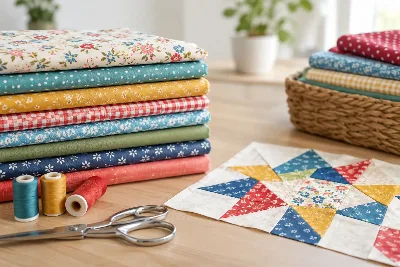
Patchwork is a wonderful option, but it does need some planning. Combine fabrics not only by colour, but also by weight and stretch. Jersey and firm woven fabric behave differently and shouldn't be mixed freely in wearable clothing unless you have some experience. For cushions, wall hangings or bags, on the other hand, the mix can be very appealing. If you're combining stretchy scraps, a suitable interfacing will stabilise some seams and stop everything from distorting.
Using up scraps shouldn't become a chore
It's tempting to want to turn every piece into something straight away. But that quickly leads to projects nobody needs. Ask yourself instead: will this item be used, given as a gift, or does it genuinely contribute to a larger project? A well-made bag that's used every day makes more sense than ten decorative items that disappear into a drawer.
If you don't have an idea for a scrap, keep it for a while. It might come in handy later as a pocket lining, facing or contrast detail. After a while, though, it's fine to let go: swap fabrics with friends, or pass them on to sewing groups, schools or creative organisations. That way the material stays in circulation without your stash getting out of hand.
Sewing to last is the best way to reduce waste
Less fabric waste doesn't just come from clever cutting, but also from pieces that last a long time. Choose fabric that suits its purpose: hard-wearing canvas for bags, easy-care jersey for everyday tops, water-repellent fabric for puddle trousers or rain jackets. Reinforce areas that take a lot of strain and finish your seams neatly. That way, your handmade pieces stay lovely for longer and don't need replacing too soon.
Plan for growth and change, too. Children's trousers with fold-over cuffs can fit for longer. A dress with a generous hem allowance grows a little with its wearer. A dress that has become too short can become a skirt with an added ruffle, and a favourite top gets a second chance with new sleeves or an insert.
Zero-waste sewing doesn't have to be perfect. Start your next project with one simple question: what else could this leftover become before it disappears into a drawer? Often the best idea is already lying right next to your sewing machine.
Matching categories
Matching products
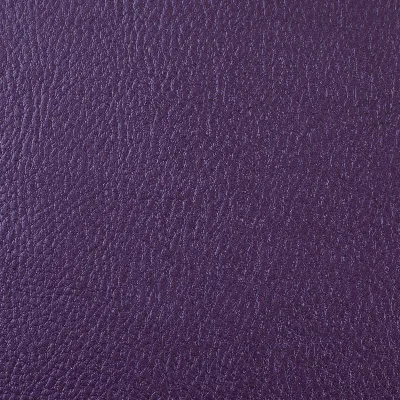
Faux Leather Rex Metallic Solid Purple by Swafing
€7.95per 0.5 m
Unit price €15.90 / m
Swafing Heike Fine Rib Ribbing Naturweiß 009
€4.75per 0.5 m
Unit price €9.50 / m
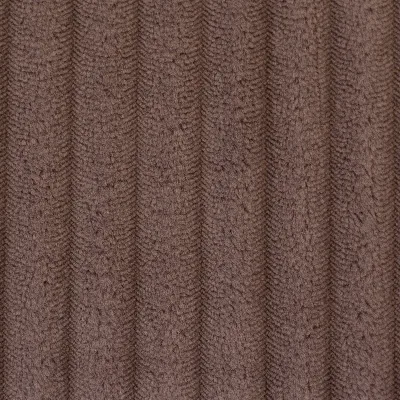
Plush Wide Cord Montevideo by Swafing Taupe
€7.95per 0.5 m
Unit price €15.90 / m
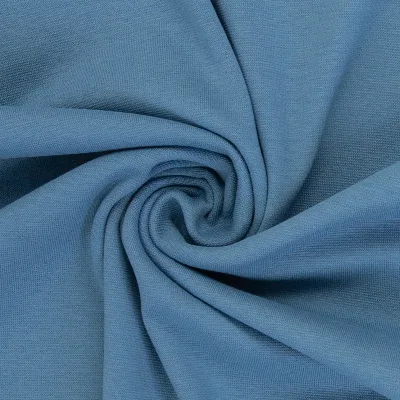
Swafing Heike Fine Rib Ribbing Rauchblau 258
€4.75per 0.5 m
Unit price €9.50 / m
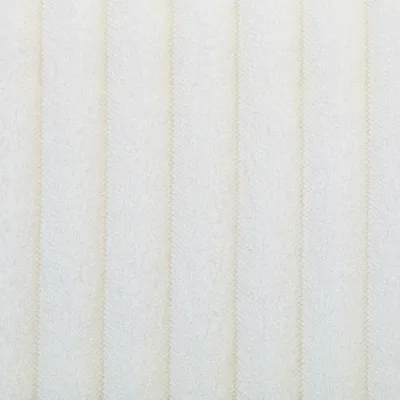
Plush Wide Cord Montevideo by Swafing Natural White
€7.95per 0.5 m
Unit price €15.90 / m
Swafing Heike Fine Rib Ribbing Rot 638
€4.75per 0.5 m
Unit price €9.50 / m