Which fabric really works for harem trousers?
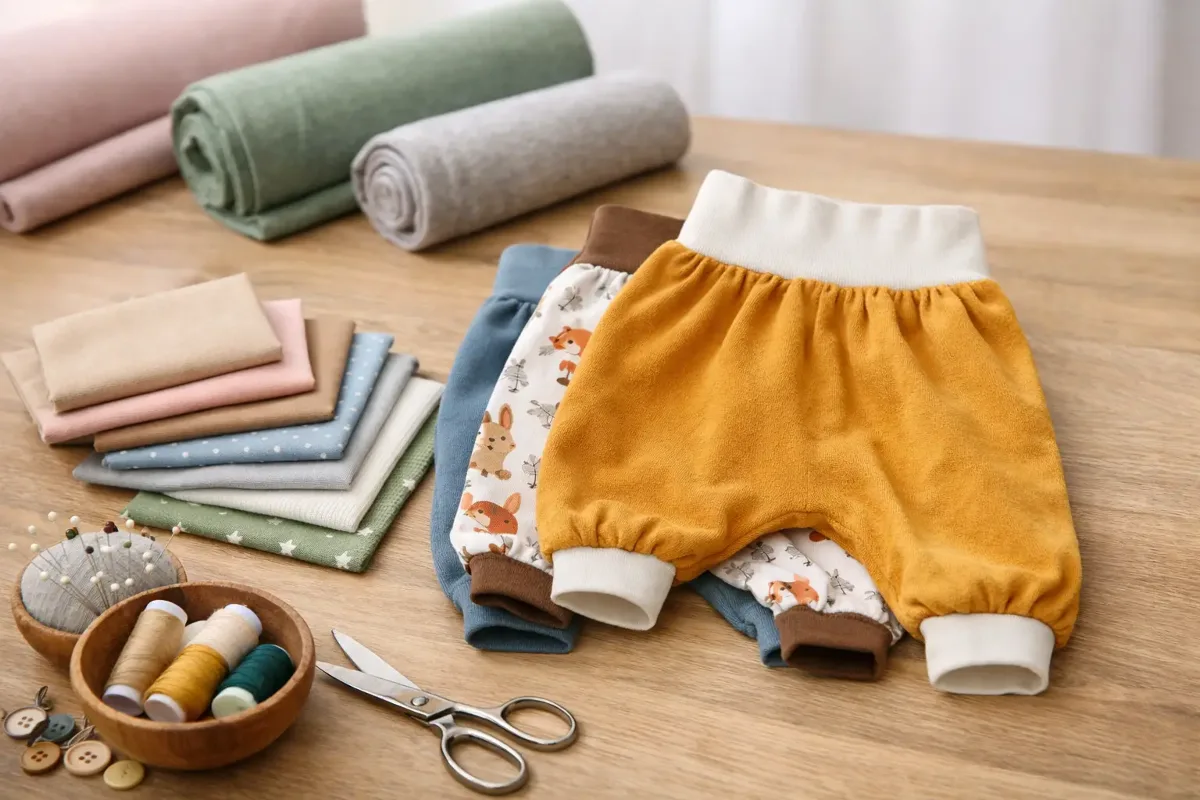
Harem trousers should give little ones plenty of freedom to move, sit comfortably round the tummy and still look good after countless crawling sessions or afternoons at the playground. But which fabric is the right one for harem trousers? The answer depends less on a cute print and more on the pattern, the season and how the trousers will be worn. A light, airy summer pair calls for different choices than a cosy autumn version.
The lovely thing about harem trousers is that their generous cut forgives small beginner's mistakes, and with wide ribbing they often grow with your child for a while. The fabric determines the drape, warmth, care and how the trousers feel to wear. If you check these properties before cutting, you'll enjoy the finished garment for a long time.
Which fabric for harem trousers? The most important decision
For most harem trousers, jersey is the most straightforward choice. This stretchy fabric moves with every wriggle, feels lovely against the skin and works especially well for baby and children's trousers. Cotton jersey with elastane holds its shape, stretches reliably and recovers well after wearing – handy when the trousers are in use every day.
Jersey also suits slimmer-cut harem trousers because it never feels restrictive. If you sew with an overlocker, you'll find it quick and neat to work with. A standard domestic sewing machine works too: a jersey needle, a stretch stitch or a narrow zigzag will stop the seams from popping when the trousers are pulled on.
For a little more warmth and body, French terry, often called summer sweat, is an excellent alternative. The right side is smooth, while the reverse shows the typical small loops. French terry is thicker than jersey but not as warm as brushed sweatshirt fabric, which makes it perfect for harem trousers in spring, on cooler summer days and in between seasons.
Brushed sweatshirt fabric is the one to choose for the colder months. Its soft, fluffy inside is pleasantly warm and turns harem trousers into a cosy pair for autumn or winter. Bear in mind, though, that very thick sweatshirt fabric adds bulk. With a cut that is already roomy, the trousers can quickly look very voluminous. For petite babies, a lighter French terry is therefore often the more practical everyday option.
Muslin for airy summer harem trousers
Muslin is one of the most popular fabrics for lightweight children's clothing. It's soft and breathable, and its crinkled surface gives it a relaxed, natural look. For warm days, holidays and sensitive baby skin, a pair of muslin harem trousers is a lovely idea.
Unlike jersey, muslin usually has no stretch, so the pattern needs to allow for this. A wide-cut pair of harem trousers with generous waist and leg ribbing works very well, whereas a slimmer pair is less suitable. Also make sure you wash muslin before cutting: it can shrink noticeably in the first wash and usually only develops its characteristic texture afterwards.
Muslin frays more at raw edges than jersey, so finish the seam allowances with an overlocker or a zigzag stitch. It's well worth the effort, as the fabric is pleasantly easy to care for and doesn't need ironing to keep its signature look. If you're sewing an especially soft pair for a newborn, muslin is a wonderful candidate.
Woven fabric, corduroy and linen: when they work
Not every pair of harem trousers has to be made from knit fabric. Woven cotton, linen or lightweight baby cord can also look fantastic, provided the pattern has enough ease. These fabrics give the trousers more structure and are a good choice if you'd like to sew a slightly smarter version.
Woven cotton is light, sturdy and available in lots of designs. It suits summery harem trousers but shouldn't be too stiff: with firm poplin or densely woven home décor fabrics, the trousers can quickly feel less mobile. For little ones, a woven fabric with a soft drape is usually more comfortable.
Linen and linen blends are breathable and have a beautiful, natural drape. Pure linen does crease visibly, however, and can feel a little rough for very active children. A linen-cotton blend is often easier: it stays airy but is a bit softer and simpler to care for.
Needlecord is ideal for autumn and winter. It adds warmth and texture without being as thick as heavy upholstery cord. Pay attention to the direction of the pile: all pattern pieces must be cut in the same direction, otherwise the colour will look different depending on how the light falls. And with corduroy too, the pattern mustn't be too snug, as the fabric doesn't give.
The ribbing must suit the main fabric
On harem trousers, ribbing is more than just a pretty finish. It keeps the trousers in place at the waist and legs, exactly where they should sit. So it's best to use proper ribbing, either tubular or by the metre, with good recovery. Jersey can be used as ribbing at a push, but it tends to bag out more quickly and doesn't hold as firmly.
The length of the ribbing depends on the sewing pattern and how stretchy the material is. Very stretchy ribbing is cut shorter than firmer qualities. When attaching it, stretch the ribbing evenly but don't stretch the trouser fabric along with it. That way you avoid ripples and the finish stays comfortable.
When it comes to colour, you have two lovely options: ribbing in the same shade gives the harem trousers a calm, cohesive look, while contrast ribbing makes printed fabrics really pop and is especially handy if you want to put a small remnant to good use. For babies, a sufficiently deep waistband is a good idea – one that sits gently over the nappy area without digging in.
Planning fabric quantity, prints and care realistically
How much fabric you need depends on the size, how wide the pattern is and the width of the fabric. For a small pair of baby harem trousers, 40 to 50 centimetres of main fabric at a width of 140 to 150 centimetres is often enough. Larger children's sizes, wide fabrics with a directional print or particularly roomy patterns need more. Checking the fabric requirements on the sewing pattern is always more reliable than a general rule of thumb.
With animal motifs, vehicles, flowers or large characters, the direction of the print matters. Lay out the pattern pieces so the motifs point upwards. Allow a little extra if you want the front and back to match exactly. With stripes, it's worth lining up at least the side seams as neatly as possible.
Wash the fabric before sewing in the same way you plan to wash the finished trousers. This prevents nasty shrinkage surprises and rinses out any finishing treatments. With dark or bold colours in particular, washing them separately the first time is sensible. For children's clothing, fabrics that can be washed at 30 or 40 degrees and keep their shape even after frequent washing are a real plus.
The right choice for the season and occasion
For a first pair of harem trousers that should be easy to sew and get plenty of wear, cotton jersey with elastane is hard to beat. If you'd like a warmer everyday pair, go for French terry. For frosty days, brushed sweatshirt fabric fits the bill, as long as the pattern isn't also extremely wide. Muslin, lightweight woven cotton and linen blends, on the other hand, are great partners for airy summer styles.
If you're unsure, hold the fabric in your hand and ask yourself: should the trousers drape softly or have a bit of structure? Do they need plenty of give for crawling, climbing and running about? And how warm will it be when they're worn? At Die Stoffkönigin you'll find fabrics available in small quantities, so even a single pair of harem trousers is easy to plan.
In the end, don't just choose by the print – choose by the everyday life the trousers will have to keep up with. That way a beautiful piece of fabric becomes a firm favourite that's happily put on, washed and worn again and again.
Matching categories
Matching products
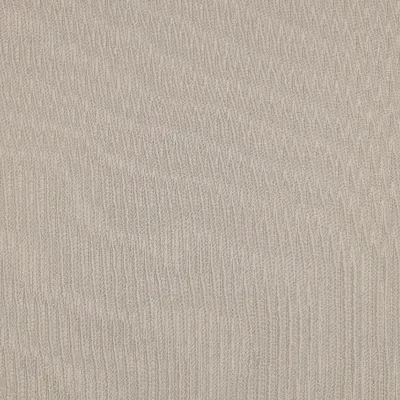
Rib jersey, sand
€7.45per 0.5 m
Unit price €14.90 / m
French Terry Flowing Bloom Marble in Gold/Red by Swafing by Sarah Mariam
€8.95per 0.5 m
Unit price €17.90 / m
Muslin Thea Colourful Triangles White
€7.45per 0.5 m
Unit price €14.90 / m
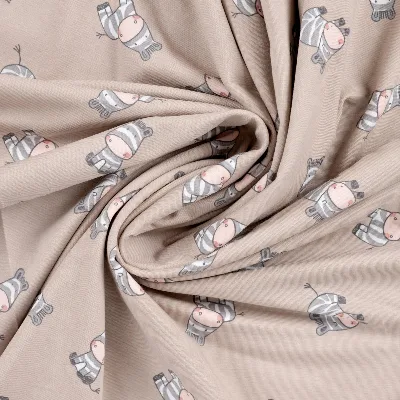
Cotton jersey, zebras, sand
€7.95per 0.5 m
Unit price €15.90 / m
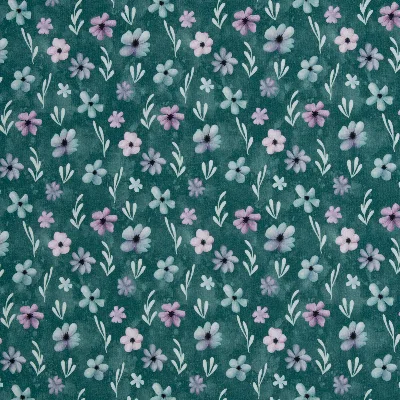
Modal French Terry Velvet Bloom Flowers on Emerald by Swafing by Mrs. Mint Design
€9.45per 0.5 m
Unit price €18.90 / m
Muslin Double Gauze Jenke Plain Burgundy
€5.45per 0.5 m
Unit price €10.90 / m