How to Shop Sale Fabrics Wisely and Plan Them Well
A gorgeous fabric at a bargain price can throw your sewing plans into disarray. You love the print, your basket fills up, and then at home you suddenly realise the matching ribbing is missing or there isn't enough for the dress you had in mind. Shopping sale fabrics wisely isn't about saving as much as possible. It's about finding fabrics that genuinely suit your projects, your style and your stash.
Reduced fabric by the metre is a great opportunity for new favourite pieces, children's clothes, bags or home textiles. Take a clear look at material, quantity and what it can be combined with, and your bargain won't sit on the shelf. It will soon end up under your sewing machine.
Why sale fabrics are more than leftover stock
Fabrics end up in the sale for all sorts of reasons. Seasonal colours make way for new collections, individual designs are discontinued, or only limited quantities remain. None of that says anything bad about the quality. Timeless cotton fabrics, cosy fleece, plain-coloured jersey and hard-wearing canvas in particular can make especially good project partners when they're reduced.
Price should never be your only deciding factor, though. A cheap viscose won't help much if what you actually need is a sturdy fabric for a shopping bag. On the other hand, a reduced softshell might be just right if a pair of playground trousers for the kids is already on your list. If you know what a fabric is for before you buy it, you save twice in the end: money and unused metres of fabric.
Sale offers are exciting for experienced sewists too. They give you room to experiment, perhaps with a new sewing pattern, an unusual colour combination or a small embroidery project. For a test project, the fabric price can be a little more relaxed, as long as the fabric's properties suit the pattern.
Shopping sale fabrics wisely: project first, print second
The prettiest design can easily tempt you into an impulse buy. It's more practical to pause before you browse and ask yourself: what do I actually want to sew in the next few weeks? Perhaps your wardrobe needs a few tops, a gym bag is due for nursery, or the sofa could do with new cushion covers. Plans like these make it much easier to work out which type of fabric makes sense.
The right type of fabric makes the difference
Jersey is usually a good choice for T-shirts, leggings and comfy children's clothes. For stretch patterns, make sure the fabric has the stretch the pattern requires. Ribbing finishes sleeves, necklines and hems, but it doesn't always have to be an exact colour match. A subtle contrast can actually look especially good with a plain jersey.
Woven cotton is often a good fit for bags, storage baskets, patchwork, decorations or light skirts, depending on the pattern and fabric weight. For projects that need to withstand some wear, such as make-up bags or seat cushions, sturdier fabrics like canvas are often the better option. Fleece keeps you warm, and softshell protects against wind and light rain. Both do a very different job from a drapey viscose for blouses or dresses.
With reduced fabric, read the product description especially carefully. Composition, weight, width and care instructions tell you whether your idea is realistic. If you're unsure, picture the fabric alongside your sewing pattern. Does it need drape, body, stretch, warmth or durability? That one question will save you from plenty of buying mistakes.
Working out a realistic amount of fabric
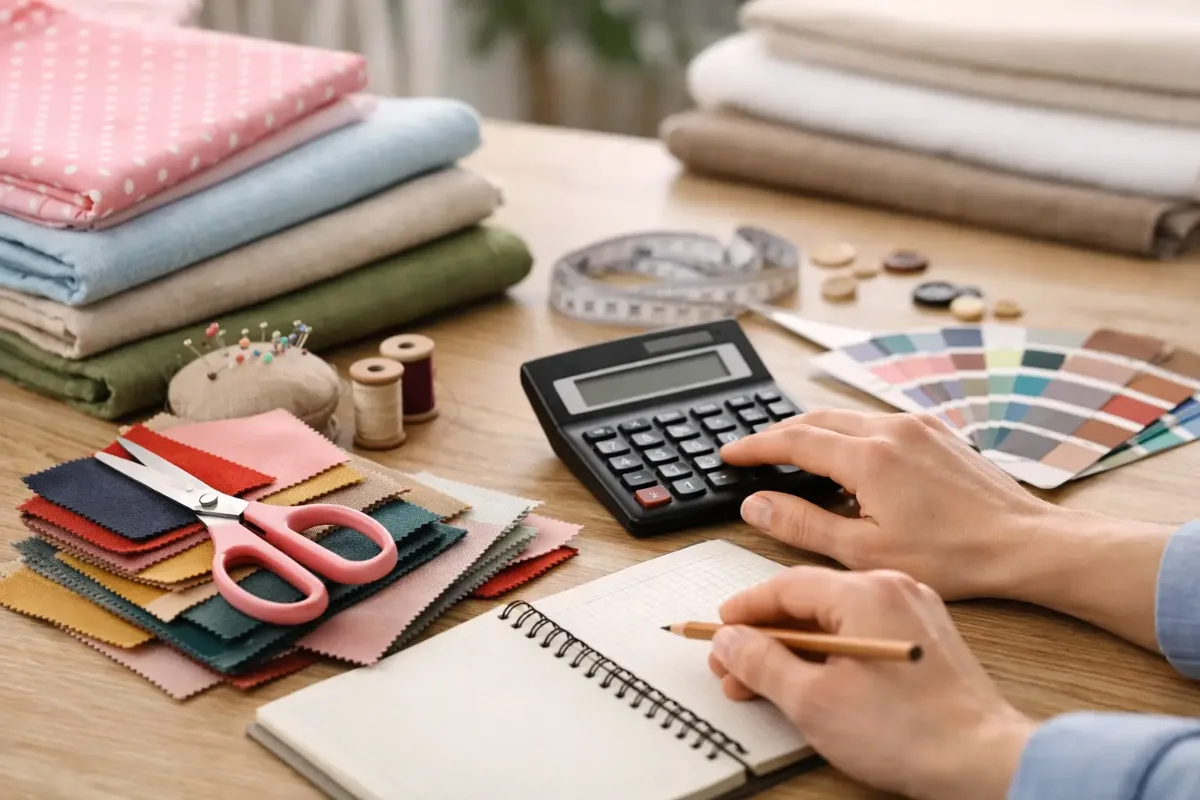
With sale fabric, the quantity available is sometimes limited. So don't just check the fabric requirements on your sewing pattern. Also allow for pattern repeats, shrinkage in the first wash and a little extra for cutting. With large motifs, stripes or checks, you may need considerably more, because the design has to line up.
A small amount may be enough for a baby top, but for an adult-sized dress it can quickly get tight. With flexible planning, you can still put smaller amounts to good use: as sleeves, a yoke, pocket linings, an appliqué or a contrast panel. Children's clothes in particular can become unique one-offs when two harmonising fabrics are combined, and they won't look like a compromise.
The low minimum order of 20 cm is especially helpful here. You don't have to buy several metres for every idea. Small amounts are ideal for ribbing, colour accents, dolls' clothes, bags, scrunchies or trying out a new fabric quality. For large main pieces, of course, you should still plan generously.
Think about coordinating fabrics straight away
A fabric doesn't have to work on its own to be a good buy. Look at the colours you already have in your sewing room. Does the reduced floral jersey go with a plain pink, mustard or navy? Can the canvas be turned into a bag with a zip, webbing and a matching lining fabric?
Plain fabrics and subtle prints are particularly practical. They can be combined across several projects and help make up for small quantities. With very bold prints, on the other hand, it's worth an honest check: would you sew with this print if it weren't reduced? If you hesitate, it's better left in the shop, however tempting the price.
Judging quality in the sale
Reduced doesn't automatically mean second-rate. Still, a careful look is worthwhile, especially if a fabric is meant for a favourite project. With woven fabric, an even weave matters. With jersey, the surface should feel pleasant and spring back into shape after a gentle stretch. A look at the fibre blend and care recommendations will also show you whether the fabric suits your everyday sewing.
For clothes that get a lot of wear, washability and comfort often matter more than a particularly eye-catching design. Children's clothes are washed frequently, bags take a lot of strain, and cushions need to suit your interior style. A fabric can be inexpensive, but it should still meet the demands of what it will be used for.
When it comes to colour, bear in mind that screens can display shades differently depending on the device. If a fabric needs to match a garment or ribbing you already have, take your time over the colour description and any product photos. In a shop, you can lay a coordinating fabric right next to it. And if you're torn between two shades online, personal advice is often more sensible than buying on the off chance.
Use your stash rather than just adding to it
A sale can be a good excuse to rediscover your own fabric cupboard. Try sorting the fabrics you already have by colour, type or planned project. You'll often find that all you're missing is half a metre of ribbing, a matching lining or a neutral jersey to finally turn older treasures into something.
It's a more sustainable way to shop, too: rather than buying something just because it's cheap, you're adding to your stash with intention. A reduced fabric that brings two existing remnants together into a cohesive project is far more useful than three spontaneous one-off purchases. For patchwork, bags and children's clothes, combinations like these are often especially charming.
At Die Stoffkönigin, alongside fabric by the metre, you'll also find haberdashery, sewing patterns and accessories to help you plan your projects. That's handy when your sale fabric still needs the right zip, sewing thread or ribbing. The key thing remains the same, though: decide first what you want to sew, then choose the extras to go with it.
When a full-price fabric is the better choice
Sometimes a reduced fabric isn't the best solution, even if the quality is good. That applies, for example, to a garment that needs a very specific colour, or to a large project when only a limited amount of fabric is available. And with complex patterns that come with very specific fabric recommendations, it's rarely worth switching to an unsuitable alternative just because of the price.
If you want to sew the same outfit for several children, make curtains, or buy more of a fabric later on, a fabric that's regularly in stock is often less stressful. Sale fabric can sell out quickly. Here it's not the discount that matters, but how much certainty your project needs.
In the end, a good fabric purchase doesn't feel like hunting for the lowest price. It feels like looking forward to cutting out: you know your pattern, you've got the quantity covered and you already know which thread will go with it. Then your next sale fabric is more than welcome in your basket, along with a clear idea and plenty of enthusiasm for sewing.
Matching categories
Matching products
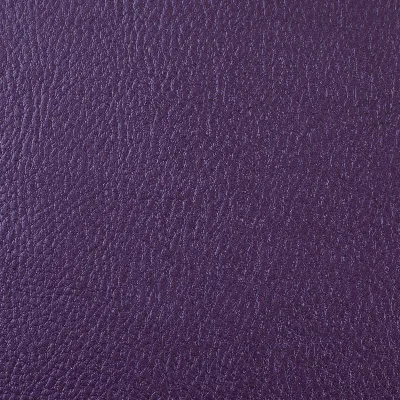
Faux Leather Rex Metallic Solid Purple by Swafing
€7.95per 0.5 m
Unit price €15.90 / m
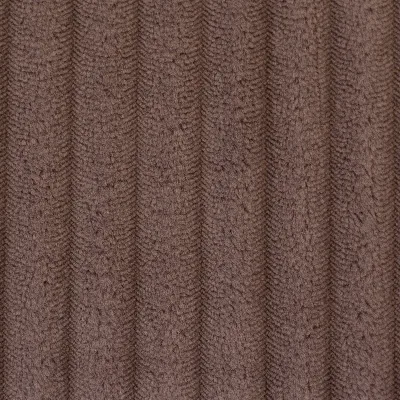
Plush Wide Cord Montevideo by Swafing Taupe
€7.95per 0.5 m
Unit price €15.90 / m
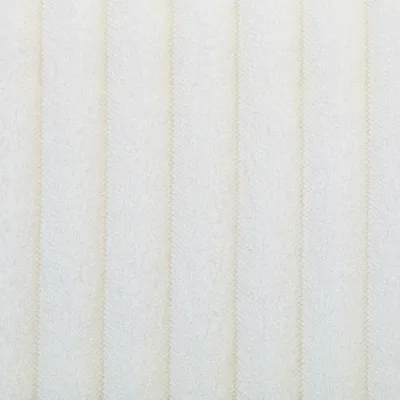
Plush Wide Cord Montevideo by Swafing Natural White
€7.95per 0.5 m
Unit price €15.90 / m
Faux Leather Rex Metallic Solid Black by Swafing
€7.95per 0.5 m
Unit price €15.90 / m
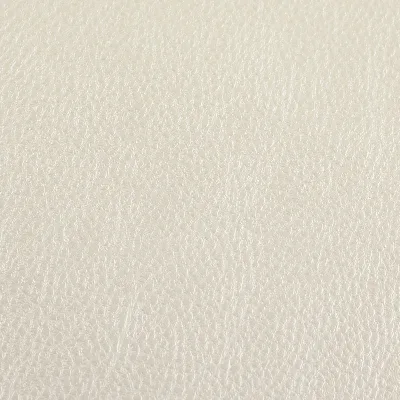
Faux Leather Rex Metallic Solid Natural White by Swafing
€7.95per 0.5 m
Unit price €15.90 / m
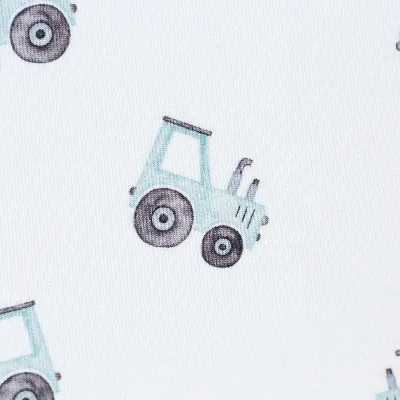
Cotton Jersey Nara Tractors on White by Swafing
€8.45per 0.5 m
Unit price €16.90 / m