Choosing Interfacing for Collars Made Easy
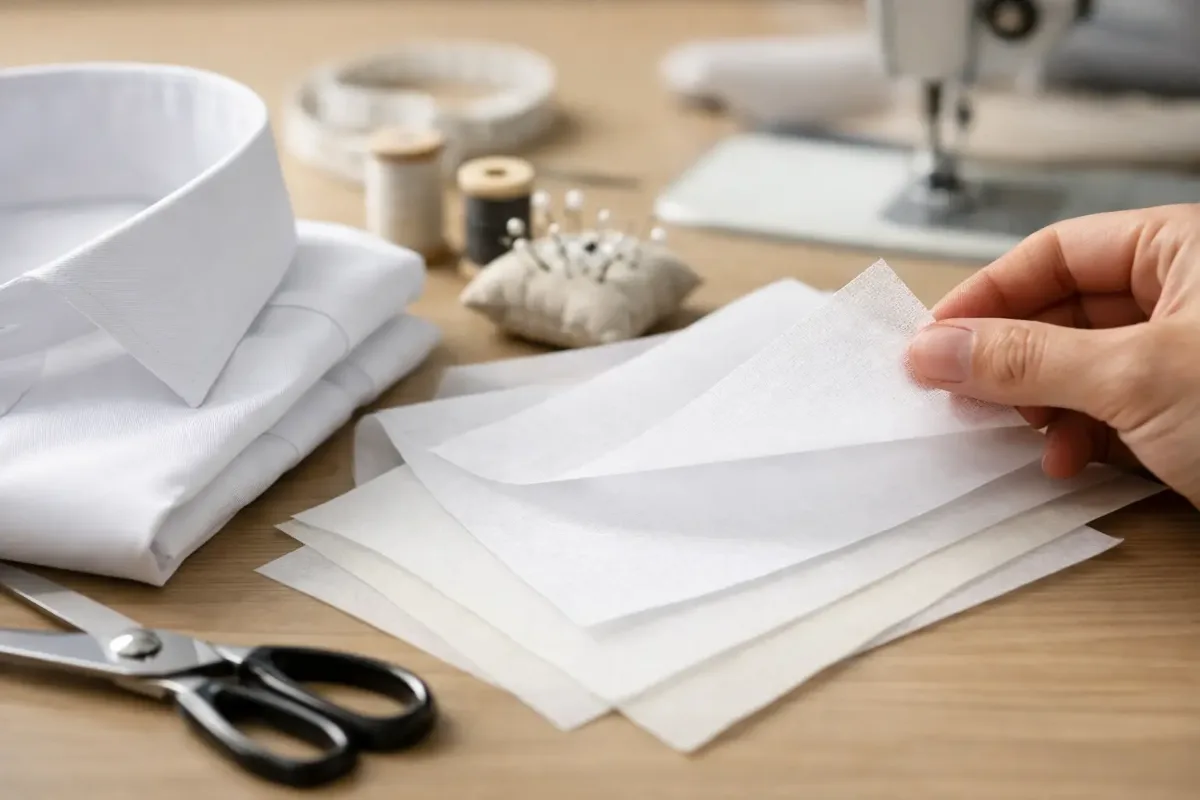
A collar can lift a sewing project – or be exactly where it falls down. If the fabric drapes beautifully but the collar looks too soft, too stiff or wavy, the culprit is almost always the wrong reinforcement. So if you want to choose the right interfacing for a collar, you don't just need any old interfacing – you need one that suits your fabric, your pattern and the look you're after.
Why your choice of collar interfacing matters so much
The collar sits right in the line of sight. It needs to hold its shape, turn out neatly and stay comfortable to wear. This is exactly where interfacing works behind the scenes. It adds stability, affects the handle and often decides whether a collar looks crisp, soft, elegant or ready for everyday wear.
Lots of home sewists know the feeling: you've chosen the fabric carefully, the pattern fits, and yet the collar sticks out oddly or collapses at the points. That's no sign of poor sewing. Often the combination of main fabric and interfacing simply isn't right. It's well worth taking a closer look here, especially for blouses, shirts, dresses and children's clothes.
Choosing interfacing for collars – start by understanding your fabric
Before you look at product names or weights, one simple question helps: how does your fabric behave on its own? A fine viscose needs different support from a dense cotton poplin or a linen with some body.
Lightweight fabrics such as voile, batiste or thin blouse viscose react quickly to interfacing that's too firm. The collar ends up board-stiff, the edges show through or the fabric develops little puckers. A light, soft interfacing is usually the better choice here.
With medium-weight fabrics such as poplin, shirting or lightweight cotton, the interfacing can give a little more support. Classic shirt and blouse collars in particular benefit from not sagging. Even so, the collar should still turn out easily and not feel as stiff as cardboard.
Sturdier fabrics such as linen, lightweight denim or firmer blends already have body of their own. They often need less reinforcement than you'd think. Too much interfacing quickly makes the collar bulky, especially at the seam allowances and points.
What types of collar interfacing are there?
In practice, many sewists reach for fusible interfacing – and for good reason. It's easy to work with neatly, doesn't shift and is the most straightforward option for lots of garment projects. For collars it's usually the first choice, especially on blouses, shirts and dresses.
Woven interfacings behave more like fabric and are often ideal if you want a natural feel when wearing. They pair well with quality dressmaking fabrics because they alter the drape less artificially. With fine or slightly more fluid fabrics in particular, this can make a big difference.
Non-woven interfacings are practical and versatile, but depending on the material they can feel a little more technical. For simple projects or robust fabrics they make perfect sense. With very fine fabrics, though, it's worth testing carefully so nothing shows through or becomes too rigid.
Sew-in interfacings come into play when a fabric is heat-sensitive or you deliberately want a different construction method. For a classic everyday collar, however, fusible options are often simpler and more reliable.
The right weight: soft, medium or firm?
This is where the real decision lies. If you want to choose interfacing for a collar, it's best to look not only at the fabric but at the end result you have in mind.
If the collar should fall softly and femininely, as on a floaty blouse or a dress with a small collar, a lightweight interfacing is usually right. It supports the shape without overpowering the fabric.
If the collar should look neat, crisp and a little more formal, for example on a shirt collar or a classic blouse, a medium weight often works well. For many projects this is the safe middle ground.
A firm interfacing is mainly suited to collars that are meant to show deliberate structure. That can make sense for statement collars, stand collars or certain jacket fabrics. For ordinary blouse fabrics, however, it's quickly too much. If you're unsure, going one step softer is usually the better decision. Adding stiffness afterwards is tricky – and a collar that's too stiff can hardly be softened again.
The pattern matters just as much
Not every collar calls for the same interfacing. A small Peter Pan collar usually needs less body than a pointed shirt collar. A stand collar should hold its shape but mustn't press uncomfortably against the neck. A large revere collar on a light dress, in turn, needs a different balance between drape and stability.
Size plays a part too. The bigger the collar, the more visible a wrong choice becomes. Without suitable interfacing, large collars quickly flip outwards or look limp. Small collars, on the other hand, can become needlessly thick with too much interfacing.
If your sewing pattern recommends a particular interfacing, that's a good starting point. Even so, it's worth checking it against your actual fabric. The same pattern sews up differently in batiste than in Oxford cloth or linen.
Test pieces instead of guesswork
The safest method is unspectacular but very effective: test. Fuse a small piece of interfacing onto a scrap of your main fabric. Fold it, try turning it or hold it up to your neck. You'll soon notice whether the fabric still looks natural or whether the collar would end up too stiff.
When you're torn between two weights, a comparison on fabric scraps is worth its weight in gold. What looks similar on the roll can behave quite differently once fused. It saves time, materials and frustration.
Common collar mistakes
A classic mistake is buying interfacing purely by how it feels in your hand. An interfacing can feel soft on its own and still be too dominant on a lightweight fabric. What matters is always the combination.
Equally problematic is automatically wanting to make the collar extra firm. Many people think more support is always better. In reality, good garments often need exactly the right amount. A beautiful collar has shape but stays flexible.
The fusing itself is often underestimated too. If the temperature, steam or pressure aren't right, the interfacing bonds unevenly. That leads to bubbles, ripples or messy patches. So follow the manufacturer's instructions, press rather than glide the iron, and leave the piece to cool flat afterwards.
Which interfacing suits which project?
For blouses in lightweight cotton or viscose, a light to medium, fairly soft interfacing usually makes sense. That way the collar stays wearable and doesn't look stuck on.
For classic shirts in poplin or shirting, a medium interfacing with a little more body often works well. It keeps the collar points lying neatly and helps the shape hold up in everyday wear.
For dresses with decorative collars, a lot depends on the style. Romantic designs with a soft drape usually need less firmness. Clean, graphic shapes or larger statement collars tend to benefit from a little more structure.
With children's clothes, it pays to hold back. The collar should look pretty but stay soft enough. Interfacing that's too rigid can quickly become uncomfortable when children are playing and running about.
If you're torn between two interfacings
A simple question of priorities helps here: should the collar mainly look good or feel especially soft? Ideally both, of course, but in practice the emphasis shifts depending on the project. For a business shirt, a clean, crisp stand matters more. For a summer blouse, comfort and drape can take centre stage.
If you don't have much experience yet, you'll usually fare better with a light to medium interfacing than a firm one. It's more forgiving of small inaccuracies, is nicer to work with and is less likely to look overdone. In a well-stocked specialist shop like Die Stoffkönigin, this kind of guidance is often exactly where advice really helps: not just any interfacing, but the right one for your fabric and your project.
Choosing collar interfacing also means seeing the whole project
The collar doesn't stand alone. Does the interfacing match the facing, the button placket and the overall handle of the garment? A very firm collar on an otherwise soft blouse can look out of place. Conversely, a floppy collar on a sharply cut shirt quickly looks unfinished.
That's why it's worth looking at the bigger picture. If you think about fabric, pattern and the effect you want together, choosing becomes much easier. And if the collar ends up looking as though it simply turned out well as a matter of course, you chose exactly the right interfacing.
Sometimes sewing isn't about finding the most spectacular solution, but the one that feels just right. That's exactly what turns a handmade garment into a piece you love to wear and enjoy finishing.
Matching categories
Matching products
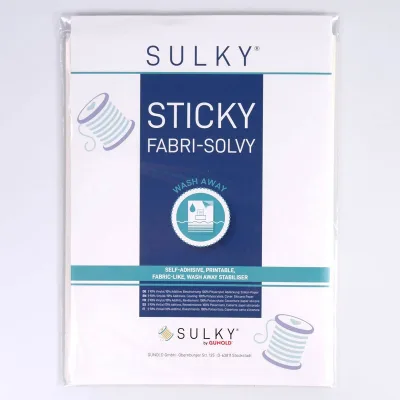
Sulky Sticky Fabri-Solvy 12 sheets 21.5 × 28 cm in White
€24.50per piece
Unit price €34.03 / m²
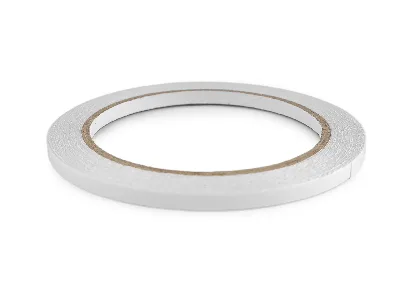
Double-Sided Fabric Tape, 5 mm, 18 m
€6.90per piece
Unit price €0.38 / m
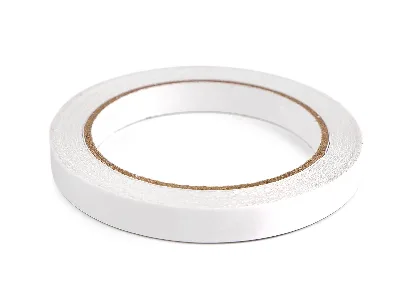
Double-Sided Fabric Tape, 12 mm, 18 m
€10.90per piece
Unit price €0.61 / m
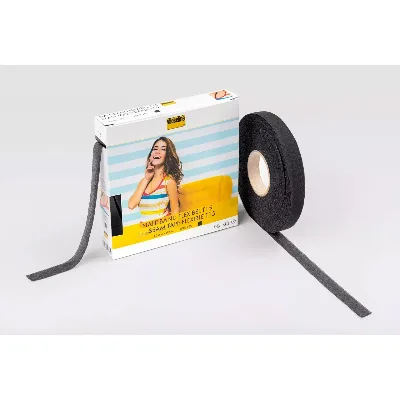
Vlieseline hemming tape T15 15mm in Black
€0.68per 0.5 m
Unit price €1.35 / m
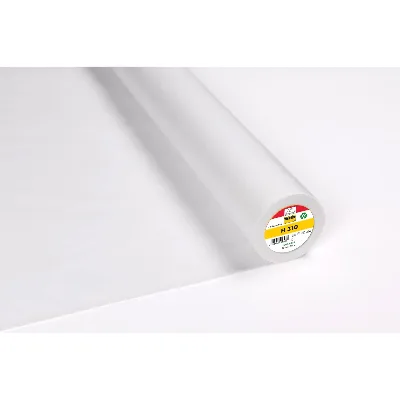
Vlieseline fusible interfacing H310 in White
€4.75per 0.5 m
Unit price €9.50 / m
Prym hemming tape in White
€11.50per piece