Choosing Lining Fabric for Bags Made Easy
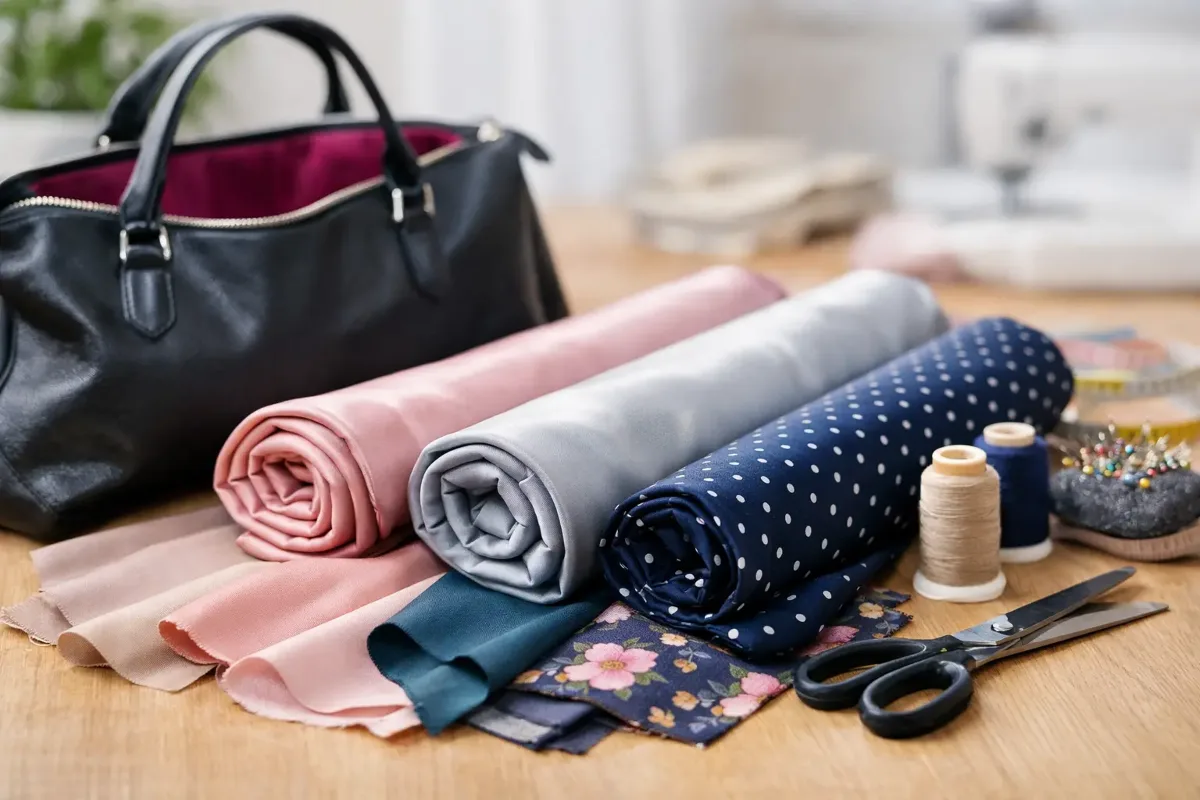
A bag can look gorgeous on the outside, but if the inside is too thin, goes out of shape or keeps catching in the zip, the fun of sewing soon fades. That's why it pays to take a closer look when choosing lining fabric for bags: it plays a big part in how sturdy, practical and high-quality your finished project turns out.
The right bag lining doesn't just have to look good. It should suit your outer fabric, stand up to wear and tear and be pleasant to sew on your machine. Whether you're making a make-up bag, a tote, a rucksack or a small crossbody bag, what the bag will be used for points you in the right direction.
What a good bag lining fabric needs to do
Lining separates the contents of the bag from the outer material, hides the seam allowances and gives the inside a neat finish. In many bags, though, it does even more. It helps the bag keep its shape, protects delicate outer fabrics and provides a base for inner pockets, key straps and zipped compartments.
How firm the lining should be always depends on the project. A lightweight fabric shopping bag needs a different lining from a weekender that's regularly filled with books, a water bottle and a change of clothes. Reinforcement comes into it too: a thin cotton fabric can work really well with suitable interfacing, whereas a canvas that's already firm often needs less extra stabilising.
As well as the look, pay attention to these qualities: the fabric should fray as little as possible, not slip about too much and suit how much care you're willing to give it later on. For children's bags or bags you use every day, it's especially handy if the lining is easy to wash.
Choosing lining fabric for bags: these materials work well
Woven cotton and poplin
Woven cotton is a true all-rounder for bag linings. It's lovely to sew, comes in lots of colours and prints and is perfect for make-up bags, project bags, pouches, small rucksacks and medium-sized totes. It's a particularly reliable choice for beginners, as it doesn't slide away under the presser foot easily.
Poplin is usually a little finer and smoother than classic woven cotton. It's well suited to lightweight bags or a neat lining with a playful print. For large bags that carry a lot of weight, however, you should combine poplin with interfacing or opt for a firmer woven fabric.
Canvas and heavyweight cotton fabrics
Canvas has plenty of body on its own. That makes it a good fit for bags that need to hold their shape, such as shopping bags, book bags, lunch bags or base linings. As a full lining, though, very firm canvas can get bulky – especially where several layers, webbing or zips meet.
A combination is a good solution: firm canvas on the outside, medium-weight woven cotton on the inside. If the bag needs to be particularly sturdy, reinforce the base, side panels or inner pockets specifically rather than building every surface from heavy material. That way the sewing stays manageable.
Twill and similar firm woven fabrics
Twill fabrics are hard-wearing and often have a visible diagonal texture. They suit bags that are carried a lot and need a durable interior. They're also a good choice for inner pockets that need to hold a phone, pens or small bottles securely.
As these fabrics can be a bit bulkier, trim or grade the seam allowances at thick spots where needed. This makes corners easier to turn out neatly and keeps edges from looking lumpy.
Polyester lining and smooth lining fabrics
Classic polyester lining looks elegant and glides easily. It can be a sensible choice for evening clutches, small handbags or bags with a delicate outer fabric. In a large everyday bag, though, it has its drawbacks: it's often thin and slippery and gives little support to inner pockets.
If you'd like a sleek look, check the weight of the fabric and plan in some reinforcement if necessary. When cutting out, pattern weights work better than pins, and a fine, sharp needle prevents pulled threads. For beginners, woven cotton is usually the more relaxed alternative.
Coated and water-repellent fabrics
For wash bags, changing bags, beach bags or bags for wet sports kit, a wipe-clean lining is really practical. Coated cotton, water-repellent fabrics or special bag fabrics protect the rest of the material from moisture and dirt.
This is where technique matters. Coated fabrics don't like unnecessary needle holes, as every hole stays visible and can weaken the surface. Sew as precisely as you can, use fabric clips rather than pins and test on a scrap first to see how your material feeds under the presser foot.
Thinking about outer fabric, reinforcement and lining together
The most common mistake with bags isn't down to the lining fabric alone, but to a mismatched combination of materials. A heavy faux leather or canvas outer with a wafer-thin, unreinforced lining can quickly give way on the inside. On the other hand, a small bag becomes unnecessarily stiff if the outer fabric, lining and interfacing are all very firm.
Before cutting out, ask yourself: what will the bag need to carry? Should it drape softly or stand up on its own? Will it be washed often? And how many layers will your sewing machine have to cope with at the ends of zips or where the straps are attached?
For a lightweight project bag, woven cotton inside and out is often enough, perhaps with a thin interfacing. A sturdy tote benefits from a firm outer fabric, a medium-weight woven lining and reinforcement for the base and strap attachments. In a rucksack, the lining and reinforcement can be more heavy-duty, but the seam areas should still be sewable.
The right colour and print
The inside of a bag is allowed to surprise. A colourful or printed lining is a joy every time you open the bag and also makes it easier to see what's inside. In a dark bag, black headphones, keys or lip balm disappear astonishingly quickly. A light lining that isn't pure white is therefore practical for many everyday bags.
Strong contrasts can look beautiful, but they tend to show up small imperfections on zipped pockets and edges. If you'd like a calmer result, pick up a colour from the outer fabric or choose a neutral shade such as beige, grey, navy or black. With light outer fabrics, bear in mind that dark prints or bold colours may show through, depending on the material.
The scale of the print matters too. Small ditsy prints are forgiving for linings, as they hardly need matching at the seams. Large motifs need a little more planning when cutting out, especially if you want them centred on an inner pocket.
How much lining fabric do you need?
The fabric requirements in your sewing pattern are always the best starting point. Allow extra fabric if you want to match prints, sew inner pockets in a contrast fabric or prewash the fabric before cutting. Bags with lots of compartments use more lining than you might expect at first.
For your own designs, don't just measure the front and back. The base, side panels, flaps, zip facings, pockets and seam allowances all need to go into the plan. Small projects can often be made with very little fabric. Die Stoffkönigin sells fabric by the metre from 20 cm – handy when you only need a small amount for an inner pocket, a base or a contrasting detail.
Before you sew: wash, cut, test
Cotton fabrics can shrink slightly in their first wash. So, where possible, prewash both the lining and the outer fabric in the same way you plan to care for the finished bag. For coated materials, faux leather or special bag fabrics, follow the care instructions, as not every material is suitable for the washing machine.
Cut out the lining carefully and, if you have several similar pieces, mark the top edge or the pocket position. Nothing is more annoying than discovering an upside-down inner pocket after turning the bag through. A quick test seam through all the relevant layers will also show whether your needle, thread and stitch length are right.
Choose a lining that suits your bag and your sewing experience rather than going for a pretty print alone. If you're unsure, lay the outer fabric, lining and any interfacing side by side and feel the combination in your hands. That's often where you can already tell whether it will become a bag you'll love using for a long time.
Matching categories
Matching products
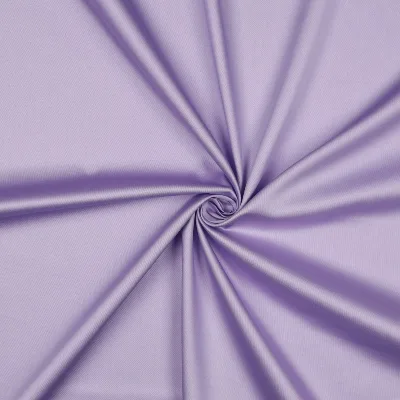
Satin in Purple
€5.45per 0.5 m
Unit price €10.90 / m
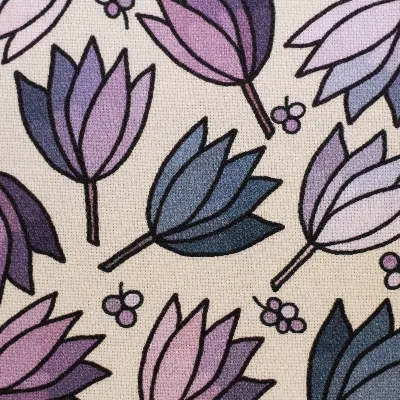
Canvas Floral Tales by Emjo Design Tulips on Cream by Swafing
€7.95per 0.5 m
Unit price €15.90 / m
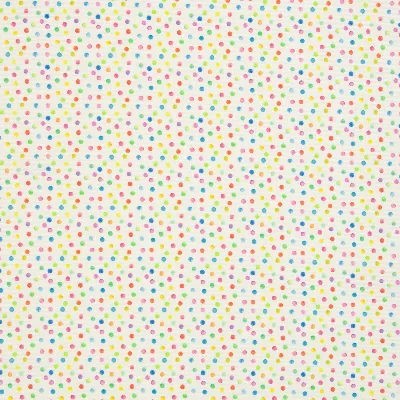
Coated Cotton Colourful Dots White
€9.95per 0.5 m
Unit price €19.90 / m
Satin in Petrol
€5.45per 0.5 m
Unit price €10.90 / m
Canvas Doha Leopard in Apricot/Brown by Swafing
€7.45per 0.5 m
Unit price €14.90 / m
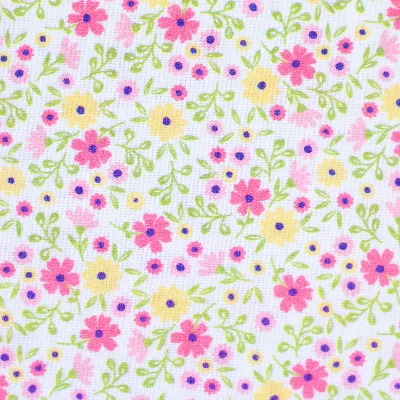
Coated Cotton Flowers in Yellow/Hot Pink/White
€9.95per 0.5 m
Unit price €19.90 / m