Cotton or viscose: which suits you?
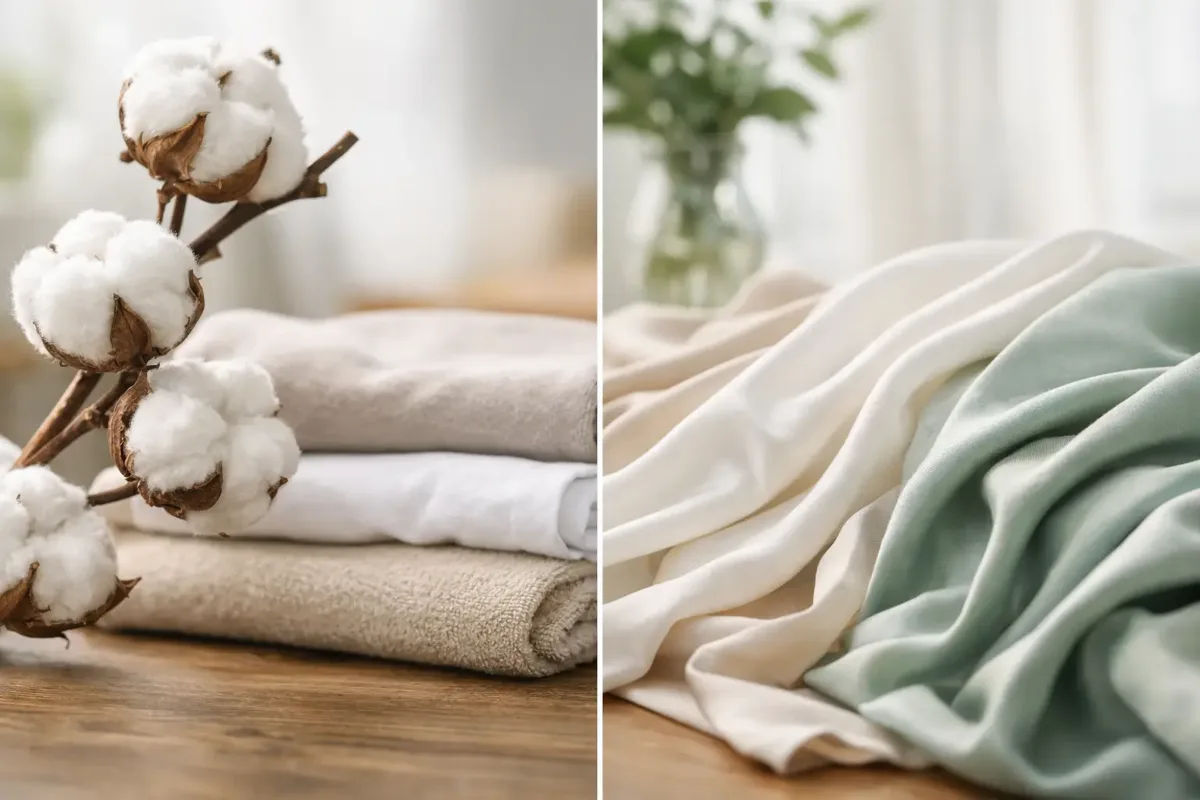
Want an airy summer dress that falls softly around the body, but a new children's top that can survive plenty of trips through the wash? When it comes to cotton or viscose, the print on the fabric shelf isn't the only thing that matters. Both fabrics feel lovely, but they have very different strengths when it comes to wearing, cutting and sewing. Keep that in mind and you'll enjoy your handmade favourite for much longer.
Cotton or viscose: the key difference
Cotton is a natural fibre obtained directly from the cotton plant. It's a familiar all-rounder: kind to skin, breathable, hard-wearing and available in many different qualities. From sturdy woven fabric for patchwork and bags, to poplin for blouses, to stretchy jersey for tops, cotton is remarkably versatile in the sewing room.
Viscose is made from cellulose, usually from wood, which is why it counts as a regenerated cellulose fibre. Although the raw material is natural in origin, it is chemically processed and spun into fibres during manufacture. Depending on the quality, the result looks and feels more like silk, and sometimes like cotton or linen. Its most typical feature is a soft, fluid drape.
Both materials absorb moisture well and feel pleasant against the skin. Even so, they don't behave the same way when you sew them or wear them day to day. Cotton is usually more stable and easier to handle. Viscose drapes more beautifully but needs a little more patience and care when cutting.
When cotton is the better choice
If a project needs to be sturdy, washed often or hold its shape, cotton is often just right. It's especially rewarding for beginners: woven cotton fabrics are easy to mark, cut cleanly and usually feed through the sewing machine without any major surprises.
Cotton is particularly popular for children's clothing. Cotton jersey moves with the body and is ideal for T-shirts, leggings, harem trousers, pyjamas or comfy dresses. Woven cotton, on the other hand, works well for shirts, skirts, dungarees, aprons and lightweight summer trousers. With stretch sewing patterns, check whether jersey or sweatshirt fabric is specifically required. A non-stretch woven cotton can't simply stand in for jersey.
Cotton is also a reliable partner for creative projects beyond clothing. Woven cotton is great for fabric organisers, make-up bags, cushion covers, patchwork, fabric baskets, placemats and lots of home décor ideas. The firmer the quality, the better it holds its shape in bags, placemats or small storage pieces, for example. For bags, though, extra reinforcement can still be worthwhile.
Another plus: cotton generally copes well with frequent washing. That's handy for kitchen accessories, children's items and clothing that gets a lot of wear. It can crease, however, and may shrink the first time it's washed. Pre-washing is therefore a good idea, especially for clothing, larger home décor projects and precisely cut pattern pieces.
Which cotton for which project?
Not all cotton is the same. Poplin is fine, smooth and fairly densely woven – lovely for blouses, dresses, skirts or shirts. Muslin is loose, soft and wonderful for burp cloths, light scarves, summer clothing and baby projects, but it needs a design that suits its relaxed character.
Canvas and other heavier cotton fabrics are ideal for bags, rucksacks, cushions or sturdy accessories. Cotton jersey is the right choice for stretchy garments. If you want to sew a structured garment, with a shirt collar or button placket for instance, you'll often benefit from the body of a woven cotton.
When viscose really shines
Viscose shows its strengths wherever fabric should fall softly and movement should be visible. A viscose dress sways as you walk, a blouse looks light and flowing, and a full skirt gains an elegant silhouette without looking stiff. On warm days in particular, viscose often feels pleasantly cool because it absorbs moisture well.
Woven viscose is a lovely choice for blouses, tunics, wrap dresses, culottes, wide-leg trousers, light skirts and airy jumpsuits. It can also work for scarves or softly draping lining pieces. Sewing patterns with gathers, ruffles or a full skirt really bring out its fluid character.
Pure woven viscose isn't suitable for close-fitting tops, however, because it doesn't stretch. For those you'll need viscose jersey with elastane or another suitable stretch fabric. Viscose usually isn't the first choice for very fitted trousers, sturdy bags or projects that need a lot of structure either.
Viscose can be a little more delicate than cotton, especially when cutting and sewing. It slips more easily, may fray depending on the quality and is more likely to distort if pulled. That's no reason to avoid it. With a few simple tricks it becomes easy to manage – and rewards you with a particularly beautiful result.
Cutting and sewing viscose: keeping it stress-free
Before cutting, wash your viscose the way you plan to wash the finished garment. Many viscose fabrics shrink a little in the first wash. Then let the fabric dry completely and press it at the right temperature before laying out your pattern pieces.
A large, smooth surface helps when cutting. Lay the fabric out carefully without letting it hang over the edge of the table, as its own weight can pull it out of shape. Plenty of pins or fine fabric clips will keep the sewing pattern in place. A rotary cutter and cutting mat can also be a real help with slippery fabrics, because the fabric barely needs to be lifted.
Use a fresh, fine universal needle, for example size 70 or 80. Sew a small test on a scrap first. That way you'll find out whether the stitch length, thread tension and needle work well together. A slightly shorter stitch length often gives a neat finish on fine woven fabrics. Finish the edges promptly with an overlocker or a zigzag stitch so they don't fray as you continue working.
When pressing, it's best to start at a medium temperature and test on a scrap. A damp pressing cloth protects delicate surfaces. Don't drag the iron along the seam; lift it and set it down again instead. That way necklines, shoulders and bias edges keep their shape better.
Comfort, care and durability compared
Cotton and viscose both feel pleasant against the skin, but in different ways. Depending on the weave, cotton feels drier, more natural and more textured. Viscose often feels smoother, softer and cooler. For a summer dress that should hang loosely, there's a lot to be said for viscose. For a top that has to keep up with everyday life at the playground, in the garden or doing sport, cotton jersey is often more practical.
When it comes to care, it's worth checking the manufacturer's instructions for the specific fabric. Cotton can often handle higher temperatures and is easy-care overall. Printed fabrics, jersey with elastane or bold colours usually stay looking good for longer, though, if they're washed inside out and not too hot.
Viscose usually prefers a gentle cycle at a low to medium temperature and shouldn't be spun harder than necessary. Hang it up to dry, ideally smoothed out on a hanger or over several lines. In the tumble dryer, viscose can lose its shape or crease more. On the plus side, it usually irons smooth again easily.
Durability isn't just about the material. A good-quality fabric, a suitable pattern and careful sewing make a big difference. In areas under a lot of strain, such as pocket openings, button plackets, ribbing or straps, it's worth stabilising the seam allowances or following the pattern instructions closely.
It's not just the fabric: think about the pattern and project too
Even the most beautiful viscose won't look convincing if the pattern really calls for a firm fabric with structure. Likewise, a softly cut wrap dress made from stiff cotton quickly loses the drape it's meant to have. So before you buy, always check the fabric recommendations in the sewing pattern and the fabric weight, if it's given.
A simple test helps too: take the fabric in your hand and let a piece hang down loosely. If it tends to hold its shape, it's better suited to clean lines, bags or structured clothing. If it flows softly downwards, it works well for draping, loose-fitting designs and swishy hems. At Die Stoffkönigin, you'll find fabrics already sorted by material and use – that makes choosing easier, but it's no substitute for thinking about your specific project.
If you're unsure, order a smaller amount first for a test garment, an accessory or a trial run. Because fabric by the metre is often available in small quantities, you can take your time trying out the feel, drape and colour. A toile can save you a lot of frustration on a more involved garment.
The best decision starts with your sewing project
Cotton is the easy-going, stable choice for lots of everyday, children's and home décor ideas. Viscose is at its most beautiful when lightness, soft drape and an airy feel are the priority. So it's not about which fabric is better overall, but which one best suits your sewing pattern and your everyday life. Go ahead and drape the fabric over your arm, picture the finished piece and then choose the fabric that makes exactly that look possible.
Matching categories
Matching products
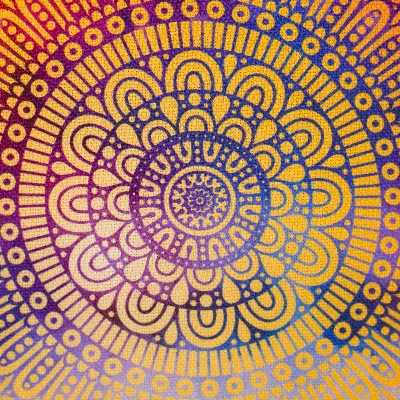
Canvas Doha Mandalas Pink/Purple by Swafing
€7.45per 0.5 m
Unit price €14.90 / m
Viscose Peonies Peonies on Lime Green by Swafing by Cherry Picking
€7.95per 0.5 m
Unit price €15.90 / m
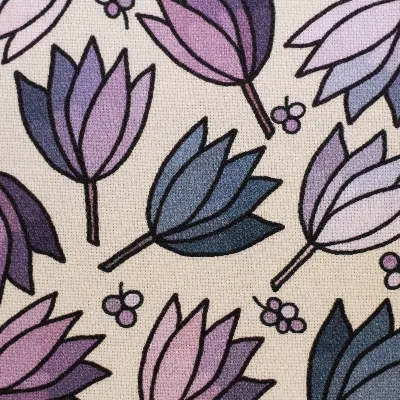
Canvas Floral Tales by Emjo Design Tulips on Cream by Swafing
€7.95per 0.5 m
Unit price €15.90 / m
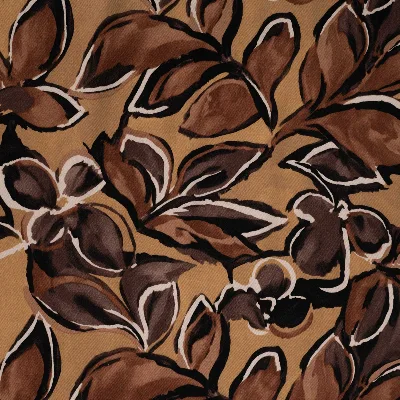
Viscose, leaves, taupe
€7.45per 0.5 m
Unit price €14.90 / m
Canvas Doha Leopard in Apricot/Brown by Swafing
€7.45per 0.5 m
Unit price €14.90 / m
Woven viscose, black
€6.45per 0.5 m
Unit price €12.90 / m