Cutting Sweatshirt Fabric Neatly Made Easy
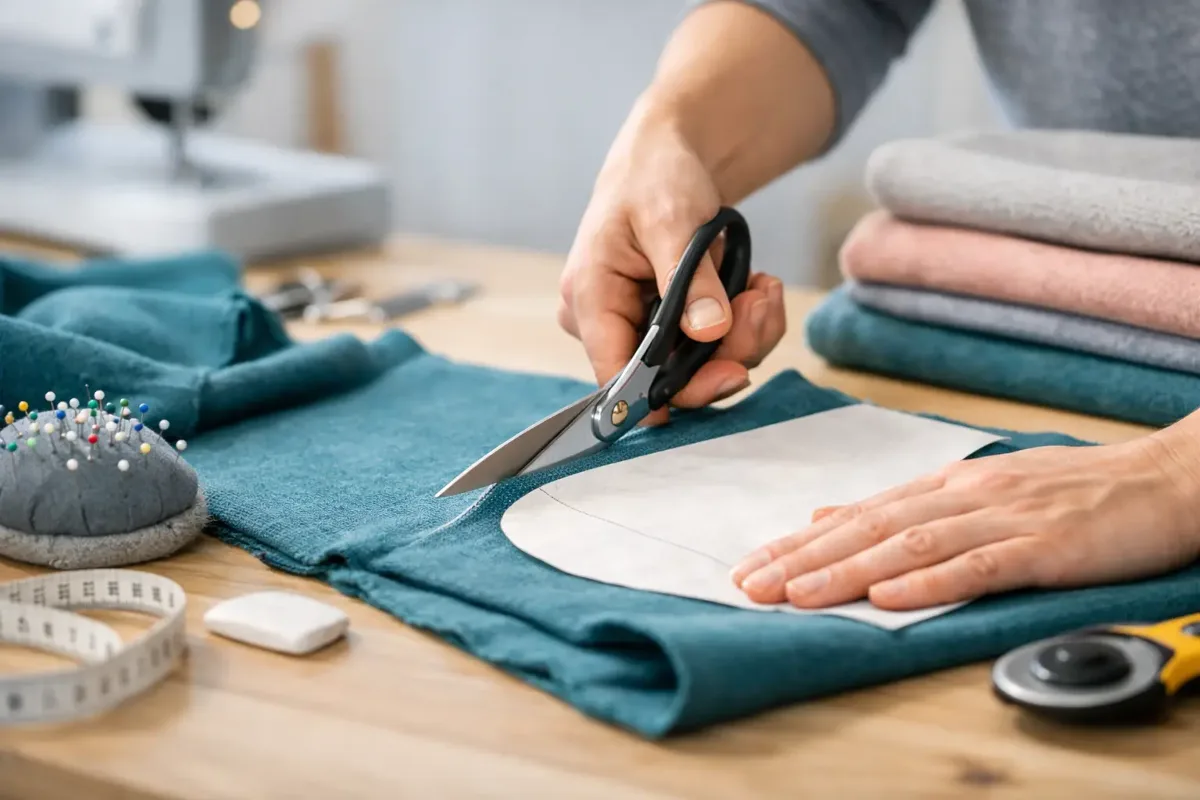
After cutting, one sleeve is suddenly longer than the other, the ribbing twists and the front pulls off at an angle. With sweatshirt fabric, these annoyances usually don't happen at the sewing machine but well before. Learning to cut sweatshirt fabric neatly therefore mainly means letting the stretchy fabric lie relaxed, paying attention to the grainline and securing your pattern pieces firmly. With a few simple tricks, cutting out becomes much less stressful.
Why sweatshirt fabric needs extra care when cutting
Sweatshirt fabric is a knit. Unlike woven cotton, it stretches well across its width and then springs back. Depending on the quality, it may be brushed on the inside, have loops on the reverse like French terry, or be especially soft and lofty. These lovely qualities are exactly what make it ideal for hoodies, joggers, jumpers, children's clothing and comfy dresses. When cutting, however, they bring a small challenge: the fabric can slip on the table, curl at the edges or lie distorted without you noticing.
A neat cut determines the fit. If a pattern piece isn't parallel to the grainline, a top can twist after washing or a trouser leg can hang crooked. If the fabric is stretched while you cut, the piece will end up too small. So it pays to work not as quickly as possible, but as calmly as possible.
Preparing sweatshirt fabric before cutting
Prewash your sweatshirt fabric if the finished garment is going to be washable. Many sweatshirt fabrics shrink a little in the first wash. Wash it as closely as possible to the way you plan to care for the finished piece, then let the fabric dry completely. If needed, press it at a temperature suited to the material. Slightly creased fabric is hard to line up accurately.
Spread the fabric out on a large, clean surface. A dining table, a cutting table or a smooth floor with a clean covering all work well. What matters is that the fabric doesn't hang over the edge anywhere – otherwise its own weight can stretch it lengthways. If your surface isn't big enough, it's better to cut in two stages rather than lay the fabric under tension.
With tubular sweatshirt fabric, first open one side along the fold if the pattern pieces need more room side by side. Leave the fabric folded, though, if the sewing pattern specifically calls for cutting on the fold. Before every cut, check that the edges really are lying smoothly on top of each other. With stretchy fabrics in particular, the top layer quickly creeps a few millimetres further than the bottom one.
Checking the grainline, stretch and right side of the fabric
The grainline marked on the sewing pattern must run parallel to the selvedge. This is especially important with sweatshirt fabric, because the greatest stretch usually runs across the grain. As a rule, a garment should stretch around the body, not grow unintentionally in length.
Gently pull the fabric once lengthways and once widthways. That way you can feel in which direction it gives the most. With some designs, such as stripes, panels, small motifs or a visible pattern, the direction of the print also comes into play. Lay out all the pieces so that motifs won't end up upside down. Watch out for the nap as well: brushed sweatshirt fabric can look lighter or darker depending on the direction of the pile. The front and back should therefore be laid out in the same direction.
You can often recognise the right side of the fabric as the nicer side with the crisper print. With plain sweatshirt fabric, a small sticker or a pin on the right side can help. Mark the side before you remove the pattern pieces. This prevents mix-ups, especially with mirror-image pieces such as sleeves or pockets.
Learning to cut sweatshirt fabric neatly: the right technique
First lay out all the pattern pieces without pinning them. This lets you see whether you have enough fabric, whether the grainline is right and how you can use the print economically. Check whether the seam allowance is already included in the sewing pattern. If it isn't, mark it evenly or cut with a seam allowance ruler. Uneven seam allowances make accurate sewing harder later on.
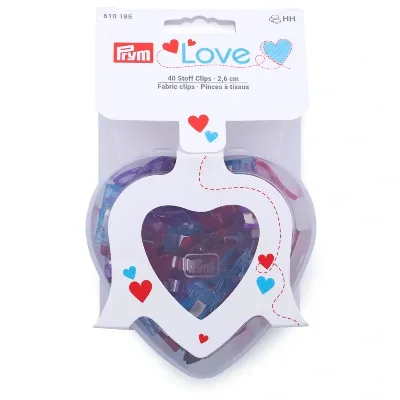
Fine pins, fabric clips or pattern weights are all suitable for holding things in place. Place pins within the seam allowance and, if possible, at right angles to the cutting edge, so you can cut closely alongside them. With very soft or loosely knitted sweatshirt fabric, weights are often nicer to use, as they don't leave holes and distort the fabric less.
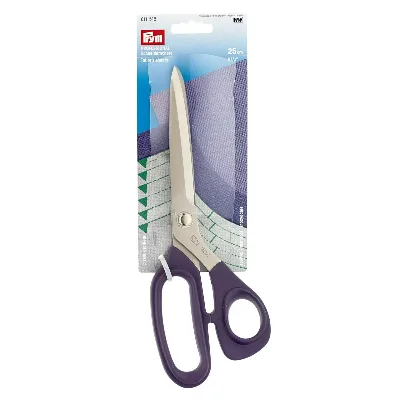
Sharp fabric scissors are the best choice for many sewing projects. Don't lift the fabric as you cut; instead, leave it lying flat and guide the scissors in long, steady cuts. Don't cut with blunt household scissors – they can make the edge fray and pull the fabric upwards.
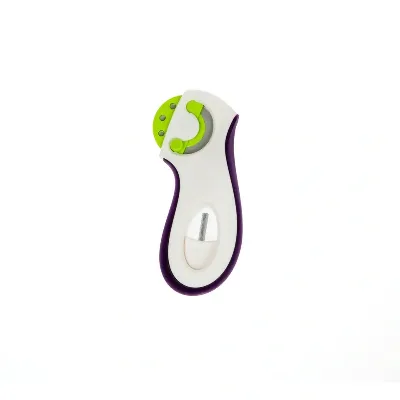
A rotary cutter with a cutting mat gives particularly precise edges when you're cutting straight lines, long hems or several layers. The blade must be sharp and the fabric must lie entirely on the mat. A rotary cutter takes a little practice: hold the pattern or ruler firmly without shifting the sweatshirt fabric sideways. For tight curves, good fabric scissors are often easier to control.
Keep markings small and clear
Notches, balance marks, dart points and pocket positions are all part of the pattern piece. Only snip notches very shallowly, about two to three millimetres deep. Deep snips can show in the seam later or stretch out on very stretchy sweatshirt fabric.
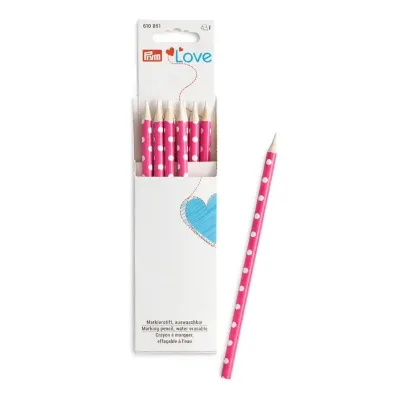
Transfer points and lines with a suitable marking pen, tailor's chalk or small tacking stitches. On dark, printed or brushed fabric, test on a scrap first to make sure the marking can be removed again. These little markings save a lot of time when sewing up, because sleeves, front and back line up correctly straight away.
Cutting in a single or double layer?
Cutting in a double layer saves time if both layers lie exactly on top of each other and you need a mirror-image pair. This is handy for simple sleeves, legs or ribbing. After the first cut, though, check that the bottom layer hasn't slipped. With thick, very stretchy or smooth sweatshirt fabric, it can shift without you noticing.
Cutting in a single layer takes a little longer but gives you more control. This method is recommended for large prints, fabrics with a pattern repeat, asymmetric pattern pieces, or when the front and back are to be positioned differently. It's also a good choice for very high-quality fabrics, because you can align each piece deliberately. For the mirror-image piece, flip the pattern over or work with the clearly marked right side of the fabric.
Common mistakes and how to avoid them
The most common mistake is tension on the fabric. If you pull the sweatshirt fabric firmly apart while smoothing it out, you'll cut an enlarged piece. Instead, let the fabric lie loosely and smooth it into shape with flat hands only. Ripples at the edge are no reason to stretch the whole fabric – take your bearings from the grainline and the selvedge.
Squeezing pieces too tightly together rarely saves much fabric either. Leave a little space between pattern pieces so that you can cut cleanly. Otherwise, fiddling with the scissors can quickly lead to small nicks, especially on curves. Also, don't cut by eye when a pattern piece needs to go on the fold. The folded edge must be properly closed, otherwise you'll later find you're missing a bit of width without realising it.
Another classic: pattern pieces are taken off the table straight after cutting and end up jumbled in the sewing basket. Leave the paper pieces on the fabric for now, or label each piece with masking tape. If needed, note the size, pattern piece number and right side of the fabric. This is especially helpful with multiple sizes, similar colours or a project for the whole family.
The right tools make all the difference
To start with, you don't need lots of equipment. Sharp fabric scissors, a tape measure, pins or clips and a flat work surface are enough. If you sew clothing regularly, you'll soon come to appreciate a large cutting table, pattern weights, a rotary cutter and a self-healing cutting mat.
Pay attention to the sewing pattern itself, too. Clear markings, an easy-to-follow cutting layout and details on fabric requirements and stretch take away a lot of uncertainty. If you have questions when choosing sweatshirt fabric, matching ribbing or notions, the personal advice team at Die Stoffkönigin will be happy to help you put together the right materials for your project.
For your next project, why not set aside a small scrap of sweatshirt fabric? You can use it to test how your scissors, rotary cutter, marking pen or pins behave. Those few minutes give you confidence – and a neatly cut piece of fabric turns far more easily into a favourite that's worn often and for a long time.
Matching categories
Matching products
Prym Professional pair of scissors 25 cm in Violet
€45.90per piece
Prym Ergonomics rotary cutter 45mm in Violet
€29.00per piece
Prym holding aid 2,6 cm 40 pieces in Multicolour
Back soon€17.90per piece
Prym Love marking pen in Hot Pink
€4.30per piece
Sublimierkreide weiß sichtbar
€1.25per piece
Swafing Eike Brushed Sweat Naturweiß 010
€7.95per 0.5 m
Unit price €15.90 / m