Sewing Machine Accessories That Really Help
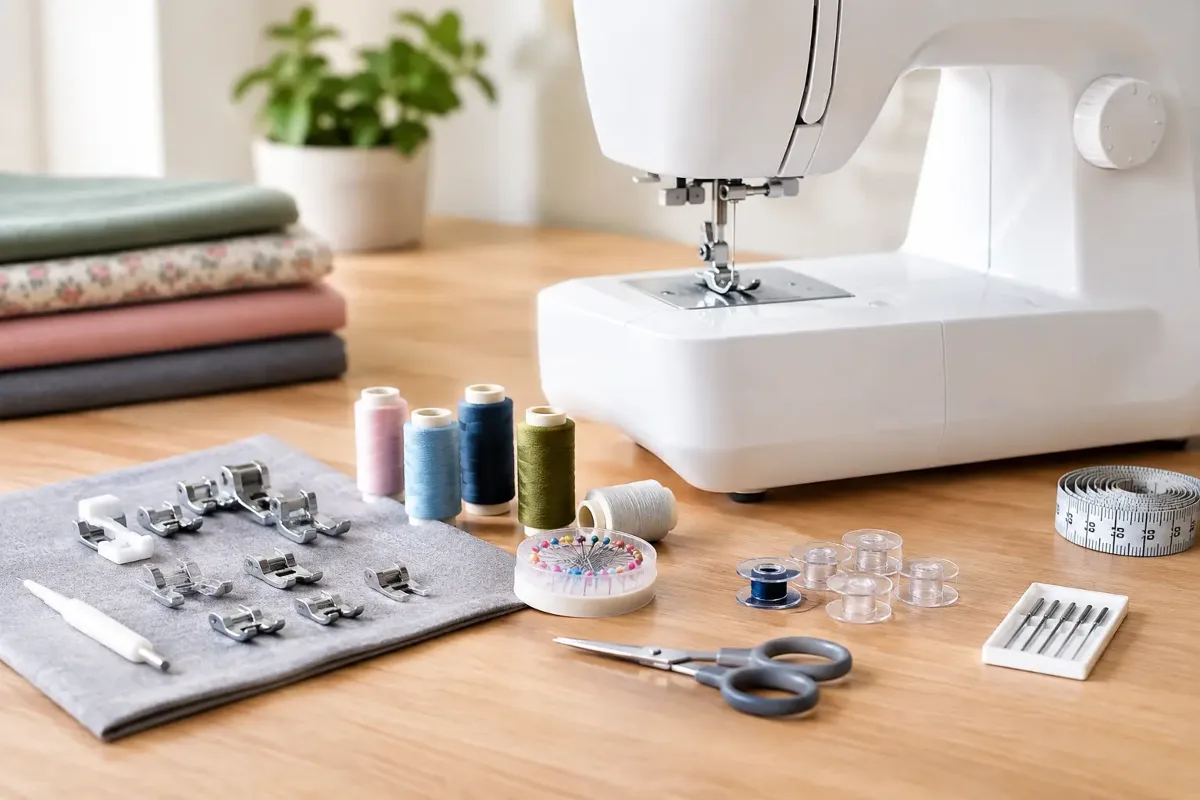
A jersey T-shirt with a wavy hem, a zip that ends up crooked or a top thread that keeps snapping: often the sewing machine itself isn't the problem. The right sewing machine accessories make all the difference in situations like these. And you don't need a huge collection straight away. Choose a few pieces carefully, use them properly, and you'll sew more neatly, more calmly and with far more enjoyment.
Sewing machine accessories: project first, purchase second
Accessories should suit your fabric, your technique and your own machine. A walking foot is wonderful for stretchy fabrics or several layers, but it won't help much if a blunt universal needle is damaging your cotton. Equally, the best jersey needle is no use if the fabric gets dragged out of place under the presser foot because you're not using a suitable foot.
So start by looking at what you're planning: are you sewing jersey clothing, a lined canvas bag or curtains from home décor fabric? Will you be working with a zip, buttonholes or several layers of fabric? And always check your machine's manual. Not every foot or bobbin is compatible with every model.
Especially if you're a beginner, quality pays off more than a big accessory set full of parts that end up lying unused in a drawer. Start with the things you'll need often. Specialist accessories can then grow along with your projects.
Sewing machine needles: small but crucial
A fresh, suitable needle is one of the most effective sewing aids there is. Needles go blunt, can bend slightly and then cause skipped stitches, snags or untidy seams. It's worth changing yours after a larger project at the latest, or as soon as your stitches start to look off.
The universal needle is the all-rounder for many woven fabrics such as cotton, poplin or lightweight canvas. For jersey, sweatshirt fabric and other stretchy fabrics, on the other hand, you'll need a jersey or stretch needle. Its tip pushes the knitted loops aside instead of piercing them. This prevents tiny holes and stops skipped stitches on stretchy seams.
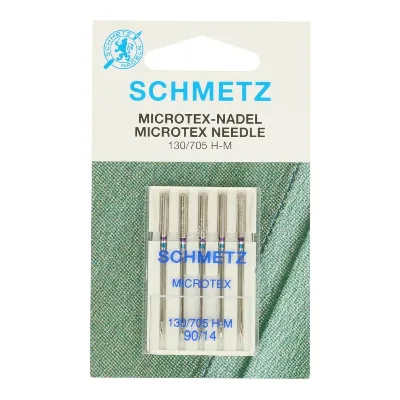
For denim, bag fabrics or several firm layers, a jeans needle is the better choice. It's sturdier and passes more easily through densely woven material. Microtex needles are particularly suited to fine, tightly woven fabrics such as woven viscose or coated materials when you need a precise seam.
Needle size matters too. Fine fabrics generally need a fine needle, heavy fabrics a thicker one. As a rough guide, size 70 or 80 works well for many dressmaking fabrics, while 90 may be a good idea for thick canvas or denim. If in doubt, sew a test piece from your actual fabric – ideally with exactly the thread you'll be using later.
Thread and needle need to match
A good all-purpose sewing thread is a reliable basis for many projects. Very thick thread, however, needs a large enough needle, otherwise it rubs in the eye of the needle and breaks. On fine fabrics, thread that's too thick can quickly look clumsy. So if your seam doesn't look neat, don't just check the thread tension – check the combination of fabric, needle and thread as well.
Presser feet for straight seams, hems and zips
The standard foot that usually comes fitted to your machine can do a surprising amount. For straight seams, simple hems and many woven fabrics it's often all you need. But as soon as the fabric slips, stretches or calls for a special technique, the right presser feet will save you time and frustration.
A zip foot lets you sew close to zip teeth or piping without the foot getting in the way. That makes it really handy for bags, cushion covers and garments with zips. Depending on your machine, a buttonhole foot gives you even buttonholes and takes a lot of the measuring work off your hands.
The walking foot is especially popular. It feeds the top layer of fabric along as well, stopping the layers from shifting against each other. That's helpful for jersey, sweatshirt fabric, coated fabrics, quilts or several layers of bag fabric. It doesn't replace careful pinning or clipping, though – on long seams, using both together is the safest approach.
For a neat, even hem, a blind hem foot can be useful. If you often work with bias binding, you might appreciate a matching bias binding foot. Specialist feet like these are mainly worth it if you use a technique regularly. For a one-off project, a steady hand, a test piece and a little patience are often enough.
Bobbins, bobbin cases and neat stitches
The bobbin thread is often underestimated. Yet even stitching depends heavily on the bobbin being inserted correctly, wound neatly and suitable for your machine. Wherever possible, use bobbins that genuinely match your machine model in shape and height. Bobbins that look similar can still cause problems.
Wind the bobbin thread evenly and avoid bobbins that are damaged, warped or badly scratched. It's handy to have a few bobbins ready wound in frequently used colours: white, black, grey and beige, for example. That way you can carry on sewing quickly when you change colour, without having to wind a new bobbin every time.
If loops form on the underside of the fabric, the cause is often the top thread. Rethread it with the presser foot raised and check that the machine is threaded correctly. Only then is it worth looking at the bobbin and bobbin case. If you're not experienced, it's best not to adjust the bobbin tension – the problem is often easier to solve.
Measuring, marking, cutting: the accessories around the seam
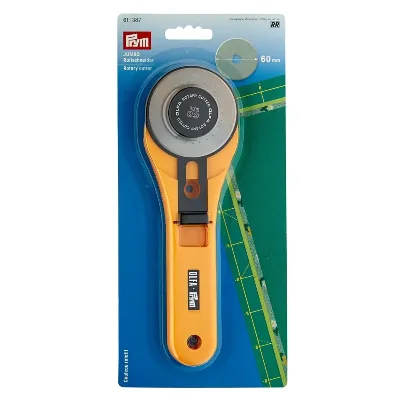
Good seams start before you get to the sewing machine. A tape measure, a sewing gauge and a clear patchwork ruler help you prepare pattern pieces and hems accurately. For straight edges, a rotary cutter with a cutting mat is a pleasure to use, especially with cotton, jersey or several layers. The blade must be sharp, otherwise edges fray or layers of fabric shift.
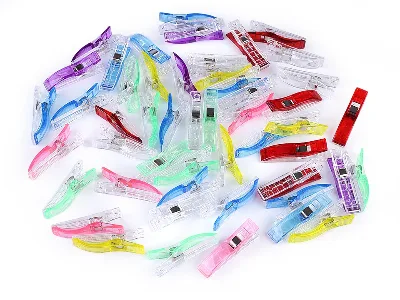
For holding fabric in place, fabric clips are a practical addition to pins. They're particularly good for thick layers, faux leather, coated fabrics or places where pin holes might remain visible. Pins still have their place, for example on fine fabrics and curved edges. Just make sure you don't sew over them – hitting a pin can damage your machine needle.
Fabric markers or tailor's chalk make darts, buttonholes and hemlines easier. Test the marking on a scrap of fabric first: some lines disappear with water, others with heat, and not every material reacts the same way. On delicate or dark fabrics, a light-coloured chalk pencil is often the simpler choice.
Care accessories protect your sewing machine
Lint from cotton, sweatshirt fabric or fleece quickly builds up around the hook area. That's why a small cleaning brush belongs in every sewing corner. After a few projects, remove the needle plate if your manual allows it and carefully brush out the fluff. Compressed air is less suitable for this, as it can push lint deeper into the machine.
Whether and where your machine may be oiled is explained in the manual. Modern models often need much less oil than older machines. Only ever use sewing machine oil, never household oil. If you use your machine regularly, you should also have it professionally serviced at suitable intervals.
A dust cover protects against dust, especially if the machine sits on a table between sewing sessions. For transport or classes, a sturdy bag is helpful. That way, accessories, cable and foot pedal stay together and your machine arrives safely.
A small basic kit you'll actually use
For most sewing projects, a well-chosen basic kit is enough to start with: suitable universal and jersey needles, a few original bobbins, high-quality sewing thread, a seam ripper, fabric clips or pins, a tape measure, a marking tool and good fabric scissors. Depending on your plans, add a zip foot – and a walking foot if you sew a lot of jersey or several layers of fabric.
At Die Stoffkönigin you'll find fabrics and haberdashery for many of these projects in one place – from children's clothing to a handmade bag. If you're unsure which accessories suit your fabric and sewing pattern, a short description of your project will help with choosing.
Before you make the first cut, sew two or three test seams. This small step quickly shows whether your needle, thread, stitch length and presser foot work together – and saves your lovely fabric from unnecessary unpicking.
Matching categories
Matching products
Machine Needles
€3.90per piece
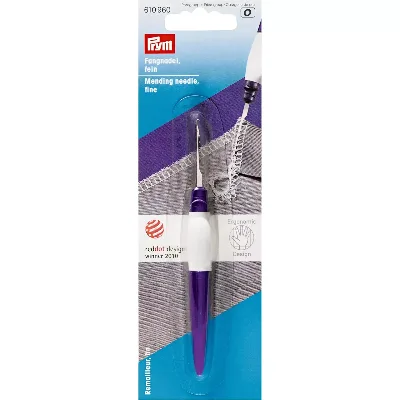
Prym hand sewing needle in Violet
€6.50per piece
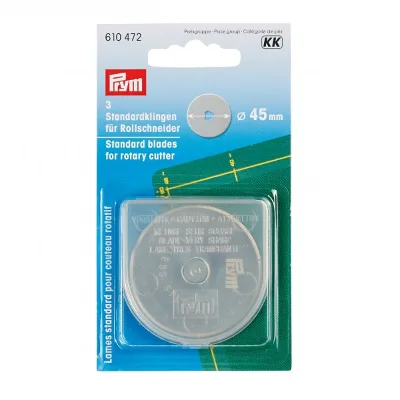
Prym replacement blade 45 mm in Silver
€19.90per piece
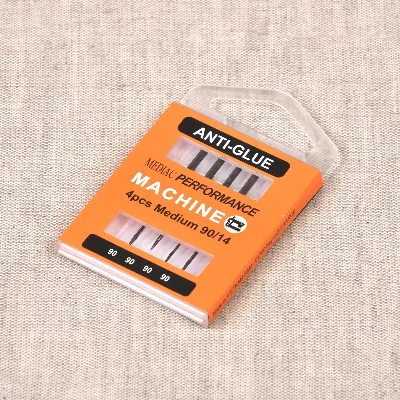
Machine Needles Anti-Glue 90/14, 4 pieces
€5.90per piece
Wonderclips / Stoffklammern
€7.50per piece
Prym OLFA Jumbo rotary cutter 60mm in Yellow
€32.50per piece