Buying haberdashery online: what your project needs
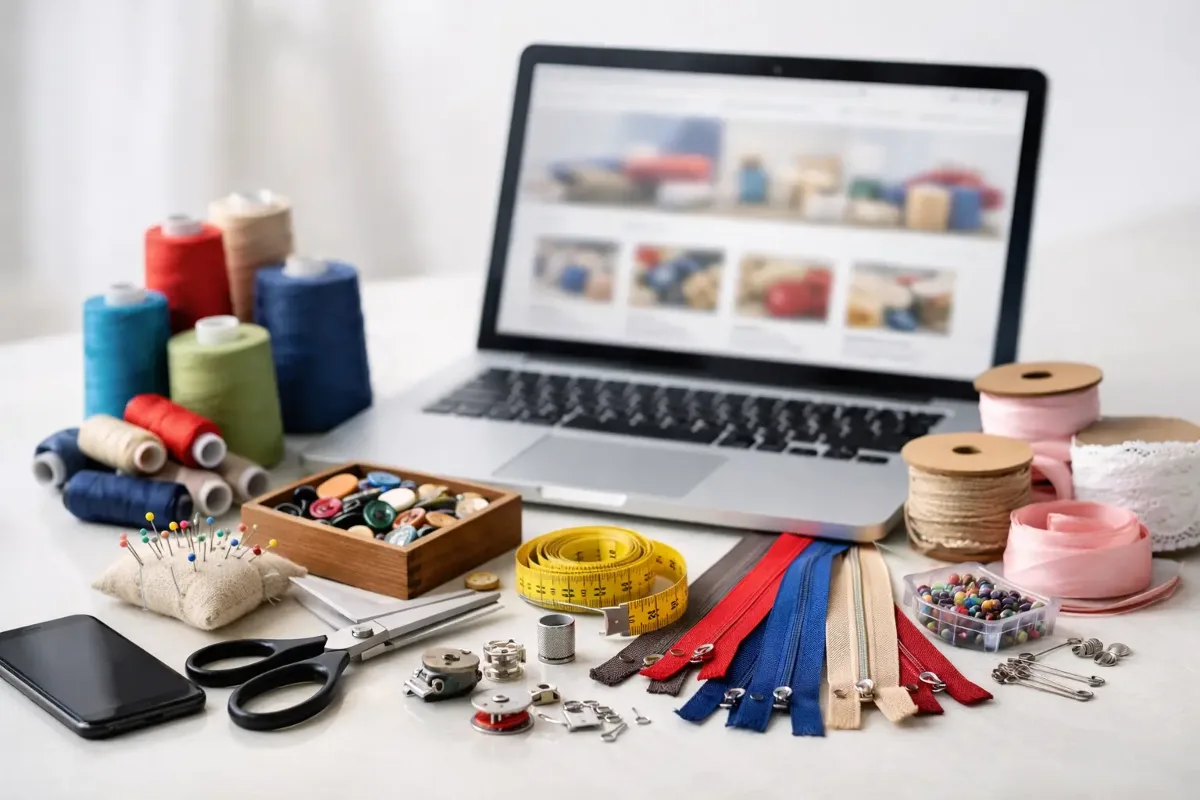
The fabric is ready and waiting, the sewing pattern has been chosen – and then you find you're missing a thread in just the right colour, a zip of the right length or a jersey needle. When you buy haberdashery online, you don't want to spend ages puzzling it out; you want to find notions that suit your fabric, your pattern and your own skill level. That's exactly what matters: not every sewing notion is right for every project.
Buying haberdashery online – the right fit, not just anything
Haberdashery covers all the little things that turn cut fabric pieces into something wearable, durable and beautiful. That includes sewing thread, needles, zips, buttons, elastic, interfacing, bias binding, cords, press studs, safety eyes and much more. What you choose helps decide whether a seam lies neatly, a cuff keeps its shape or a bag holds up reliably in everyday use.
The choice online is especially wide. That's handy, but it can also raise questions: which needle works with jersey? How long does the zip need to be? Do I need fusible interfacing, or would a firmer sew-in interfacing be better? Good product descriptions, clear size details and sorting by use all help you pick exactly the right option from the many on offer.
For small projects, it's especially worth paying attention to quantities and measurements. If all you need is some ribbing for a child's T-shirt, a metre of elastic for a pair of trousers or a single zip for a bag, you shouldn't have to buy unnecessarily large amounts. A low minimum order on fabrics goes hand in hand with buying haberdashery: it lets you plan a project as a whole without ending up with big leftovers.
Check your fabric and pattern first, then choose your notions
The best starting point is always your project. A floaty viscose dress needs different supplies from a lined softshell coat, a jersey T-shirt or a sturdy canvas tote. Before you order, have a look at the materials list on your sewing pattern. It usually gives the key details on zip length, interfacing, elastic width, buttons and thread.
If there's no list, or you're working on a project of your own, three questions will help: how much strain does the piece need to withstand? Should it drape softly or hold its shape? And how will it be washed and cared for later? For children's clothing, for example, soft, skin-friendly solutions are important. For bags, on the other hand, stability, hard-wearing seams and suitable fastenings often count for more than a particularly fine material.
Colour deserves a second look, too. Thread doesn't always have to match the fabric exactly. On patterned fabrics, a shade taken from the print usually looks more harmonious than a supposedly matching thread that turns out to look too cool or too dark next to it. For visible topstitching, the thread can deliberately contrast. For inconspicuous seams, choose a shade slightly darker than the fabric – it often stands out less than a thread that's too light.
Sewing thread: the foundation of hard-wearing seams
For most clothing and home décor projects, a good-quality all-purpose thread is a reliable choice. It works on cotton, jersey, woven fabric and many blends. What matters isn't just the colour but also the quality: evenly twisted thread runs smoothly through the machine and gives you a neat stitch.
On stretchy fabrics such as jersey or ribbing, the seam needs to stretch along with the fabric. You can achieve this with a stretch stitch, a narrow zigzag or an overlocker. A suitable all-purpose or stretch thread can be a good idea, depending on your machine and project. It's best to try out your settings on a scrap of fabric before sewing your cut pieces. Especially with very stretchy fabrics, this quick test saves a lot of unpicking.
Bags, denim details or visible decorative stitching may call for a thicker thread. In that case, your needle, thread tension and possibly your bobbin need to suit it too. The rule here is: a lovely thick thread alone doesn't make a strong seam. If your machine skips stitches or the thread snaps, the combination of thread, needle and settings usually isn't quite right yet.
Needles: small but crucial
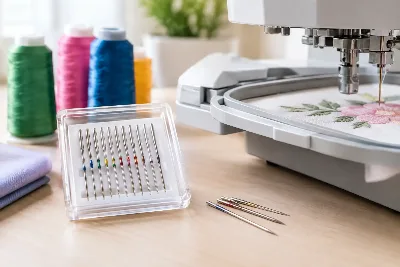
Many sewing problems are caused by an old or unsuitable needle. A blunt needle can damage fine fabrics, pull threads or produce messy stitches. So change your machine needle regularly – especially after larger projects, when sewing through thick layers, or if your machine suddenly starts sewing differently from usual.
Universal needles suit many woven fabrics. For jersey, sweatshirt fabric and other knits, jersey or stretch needles are the better choice, because their point pushes the loops aside instead of piercing them. For denim, canvas or several layers of firm fabric, you'll often need a jeans needle. Microtex needles, meanwhile, are designed for fine, densely woven materials where precision is key.
The needle size depends on the fabric. A fine needle makes sense for lightweight cotton or viscose, while softshell, canvas or heavier woven fabric may need a thicker one. It shouldn't be too thick, though, or it will leave visible holes. If you're unsure, test the stitch on a doubled scrap of fabric. The seam should lie flat, with no holes, skipped stitches or puckered threads.
Planning zips, buttons and fastenings properly
Zips are often only ordered when the project is almost finished. It's better to plan their length and type right from the cutting stage. An open-ended zip is meant for jackets, as it opens fully at the bottom. For bags, skirts, cushions or pencil cases, you'll usually need a closed-end zip. Continuous zip tape is especially practical if you're sewing several bags or want to stay flexible on length.
The length is usually measured from the start to the end of the teeth, not including the fabric tape. If you're using a sewing pattern, stick to the length given. If you want to change it, check whether the opening will still be easy to sew and use. A longer zip can be shortened for some bags, but for dresses or trousers the specified length is usually the safer option.
With buttons, the diameter matters as well as the look. Measure any existing buttonholes or check the details in your sewing pattern. Special safety rules apply to baby clothes and toys: small parts can come loose and don't belong on items that very young children might put in their mouths. Depending on the use, press studs, KAM snaps or hook-and-loop tape can be good alternatives – but they need to be attached properly and be suited to the strain they'll take.
Interfacing, tapes and elastic give shape
Interfacing is easy to leave off the list when buying fabric, but it makes a big difference. It stabilises facings, collars, cuff edges, pocket flaps and bag bases. A light, soft interfacing supports fine fabrics without making them stiff. For bags or fabric baskets, on the other hand, you'll need a much firmer type, depending on the design.
Check whether the interfacing is fusible or sew-in and which fabric it's intended for. Not every interfacing can take high temperatures, and care is needed with coated or very delicate fabrics. A test on a scrap will show whether the fabric ripples, the surface changes or the bond is strong enough.
Elastic and cords should match the width of the casing you're planning. Elastic that's too wide is hard to thread through, while elastic that's too narrow can twist. For trouser waistbands and children's clothing, recovery is important too: the elastic should feel comfortable but spring back into shape after stretching. Bias binding, piping and woven ribbon make lovely finishing touches – but they need a little more precision when sewing. For beginners, a stable fabric that presses well is the best choice for a first project using binding or tape.
Order smartly and stock up sensibly
When buying online, it's worth thinking beyond your current project. Some consumables get used up quickly in the sewing room: all-purpose thread in common colours, spare needles, pins, a seam ripper, a tape measure and a good marking tool are things you'll want to keep close to hand. For specialist notions, though, it makes more sense to buy as and when you need them. A rarely used twin needle or a special bag clasp doesn't need to sit in every drawer.
At Die Stoffkönigin, you'll find fabrics, haberdashery, sewing patterns and embroidery supplies brought together so you can plan your project from the first idea to the final stitch. If you still have questions about colour, material or construction, personal advice often helps more than yet another online search. Especially when combining fabrics or tackling your first bigger project, it's fine to ask for a hand.
Before you order, lay your sewing pattern, fabric choice and list of notions side by side. This quick project check prevents the usual missing bits – and means you can sit straight down at your sewing machine once your delivery arrives.
Matching categories
Matching products
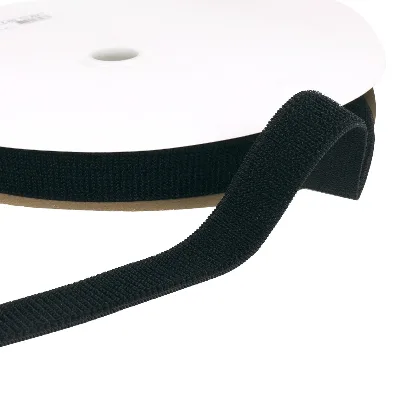
Elastic Hook and Loop Tape 25 mm in Black
€1.75per 0.5 m
Unit price €3.50 / m
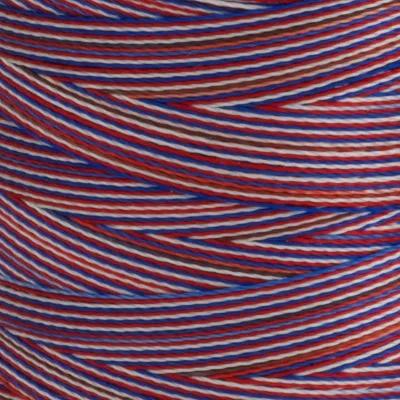
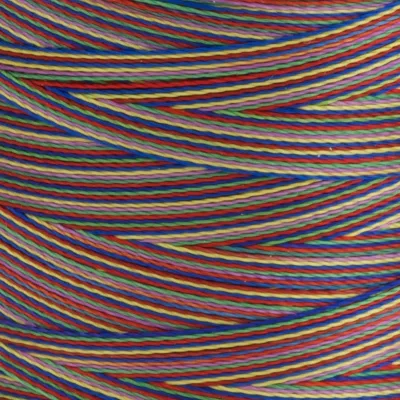
Sulky Rayon 40 Embroidery Thread 780 m Multicolour 2504
€6.90per piece
Unit price €0.01 / m
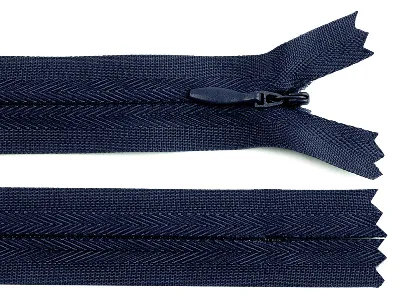
Concealed Zip, 20 cm, Dark Grey
€1.20per piece
Unit price €6.00 / m
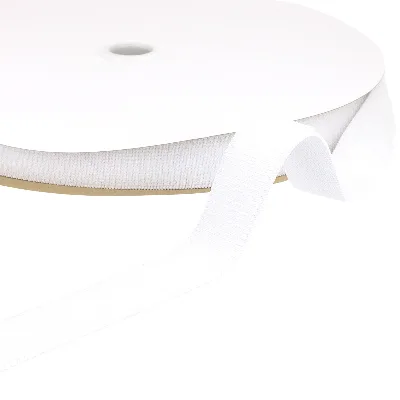
Elastic Hook and Loop Tape 25 mm in White
€1.75per 0.5 m
Unit price €3.50 / m
Sulky Rayon 40 Embroidery Thread 780 m Multicolour 2247
€6.90per piece
Unit price €0.01 / m
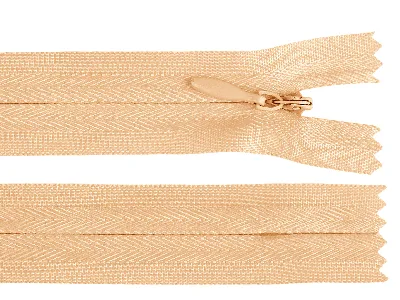
Invisible Zip 40 cm Peach
€2.20per piece
Unit price €5.50 / m