Buying fabric online – how to choose the right one
If you've ever bought fabric online, you'll know the feeling: everything looks lovely on screen, but when it comes to sewing, a pretty photo isn't enough. Does the fabric drape softly or is it quite firm? Is the amount really enough? And is the material even right for the project you have in mind? This is exactly where an ordinary shop and a specialist retailer who thinks along with you part ways.
Buying fabric online is all about choosing the right fabric
The biggest advantage of shopping online is the choice. There's a suitable material for almost every project – from jersey for tops and harem trousers to canvas for bags, softshell for jackets and cotton fabrics for home décor and patchwork. At the same time, it's precisely this variety that can sometimes make the decision difficult.
That's why it's important not to look for the prettiest print first, but to think about what the fabric will be used for. A children's hoodie needs different properties from a cushion cover. For clothing, stretch, drape and how the fabric feels against the skin are often decisive. For bags or baskets, stability matters more. For rainwear the fabric needs to be functional, and for cosy projects it should be soft and warm.
If you start from the project, you'll usually buy more wisely. That saves not only money but also frustration at the cutting table.
Which fabric suits which project?
There's no hard-and-fast rule here, but a few clear pointers make choosing easier. Jersey is a classic fabric for comfortable clothing. It's stretchy, pleasant to wear and especially popular for children's clothes, tops, leggings and pyjamas. Ribbing is a sensible addition to these projects when you want cuffs and hems to be stretchy yet hold their shape.
Cotton woven fabric works well for lots of everyday projects. It's easy-going, cuts and sews neatly and is often a rewarding material for beginners. You can use it for blouses, light skirts, fabric storage baskets, cushion covers or patchwork, for example.
Canvas feels noticeably firmer in the hand. If you're planning bags, rucksacks, seat cushions or other projects that need to hold their shape, it's often the better choice. Viscose, on the other hand, drapes softly and fluidly. It's very popular for dresses, blouses and airy trousers, but needs a little more patience and precision when cutting.
Softshell, fleece and raincoat fabrics come into play when function matters. Softshell protects against wind and light weather, fleece adds warmth, and rainwear fabrics are great for outdoor sewing projects. Here it's worth reading the material description closely, as not every functional fabric is equally suited to every kind of weather and every pattern.
Don't judge fabric online by looks alone
Prints and colours are often what catch your eye first. That's perfectly normal – after all, you want to enjoy the finished piece. Even so, it pays to think one step further. Online in particular, colours can look slightly different depending on your screen. A teal might turn out warmer or cooler, and a beige might look lighter than expected.
Even more important than the colour is often how the fabric behaves. A gorgeous print won't help much if the fabric is too stiff, too thin or too heavy for what you have in mind. That's why you should always read product descriptions in full. The key details are fibre content, width, weight per square metre, stretch and recommended use.
If you're still unsure, a simple mental test helps: should the finished piece drape fluidly, hold its shape, keep you warm or give you freedom of movement? This question usually leads you to the right category faster than hunting for the perfect print.
Planning the right amount of fabric
A common mistake when buying fabric online isn't the wrong quality but the wrong quantity. If you order too little, you'll have to buy more later – and by then that batch may already have sold out. If you order far too much, you'll have plenty in reserve, but often unnecessary costs too.
The amount of fabric you need depends on the sewing pattern, the fabric width, the size and the print. Large motifs or directional prints need more leeway, because you can't lay out the pieces however you like. Children's clothing often needs considerably less fabric than women's clothing. For bags, accessories or home décor, the amount is usually easy to plan if you check the pattern pieces and seam allowances beforehand.
A low minimum order is especially handy. When fabrics are available in small quantities, test projects, combinations or smaller DIY ideas become much more realistic. That's helpful not just for beginners, but also when you only need half a metre for a gift, appliqués or ribbing combinations.
Buying fabric online as a beginner – what really matters
If you haven't been sewing for long, you'll benefit from forgiving materials. Cotton woven fabric is often a good place to start, because it doesn't slip much when cutting and behaves predictably at the machine. Sweatshirt fabric or French terry can also be pleasant to work with once you have a little experience with stretch fabrics.
Very slippery or very stretchy fabrics, such as viscose jersey or fine, smooth qualities, are a bit more demanding. That doesn't mean beginners have to avoid them. But it makes sense to choose them deliberately for suitable projects rather than starting your first zip pouch or first dress with them without any preparation.
A good online shop helps here not only through its range but by being easy to understand. When fabrics are organised by use, material type and typical projects, a large selection doesn't overwhelm you – it gives you real guidance.
Why advice matters online too
Many customers think of speed first when shopping online. That's understandable, especially when a project is already finished in your head. But when it comes to sewing, what counts isn't just what can be ordered quickly, but what actually turns out to be right.
That's why personal support is a real advantage online too. Sometimes all it takes is a question such as whether a fabric is opaque enough for a dress, whether a jersey is suitable for leggings, or which coordinating fabric works well with a main fabric. Questions like these often decide whether a project brings you joy or ends up in a corner.
This is exactly the strength of a specialist retailer with a real connection to everyday sewing. Die Stoffkönigin combines a wide range with advice that doesn't sound theoretical but comes from day-to-day experience with fabrics, sewing patterns and haberdashery. That's especially valuable when you need not just fabric but also matching sewing supplies, embroidery supplies or a PDF sewing pattern printed at full size.
How fabric, supplies and pattern work together
A sewing project rarely succeeds just because of the right fabric. Often it's how everything works together that makes the difference. A lovely jersey may need matching ribbing, a bag calls for interfacing, webbing or a zip, and for a coat project, lining, needles and thread are anything but an afterthought.
If you gather everything separately from different places, you'll often spend more time and still end up ordering something twice or something that doesn't match. It's more practical to use a shop that thinks along with you and understands the project as a whole. That saves effort, reduces uncertainty and helps especially when materials need to go together.
Sewing patterns also play a bigger role in planning than many people think. Some fabrics look suitable at first glance but don't work ideally with a particular pattern. A full, swingy blouse needs a different drape from a structured bag. If you think about fabric and pattern together, the result usually turns out right in the end.
Price, quality and small quantities – a realistic view
Cheap isn't automatically good, but expensive isn't automatically right either. When buying fabric, value for money is what counts. A fairly priced fabric that sews well and suits the project is often a better choice than a supposed bargain that disappoints later.
For hobby sewists in particular, small order quantities are a real plus. Not every project needs several metres. For children's clothing, combinations, bag linings or accent fabrics, small cuts are often just right. That makes creative planning easier and lowers the barrier to trying something new.
If you sew regularly, you'll also know that quality doesn't just show when you first touch a fabric, but when you sew and wear it. Does the fabric sew neatly? Does it distort easily? Does the surface stand up to wear? These questions are often more important than the price per metre alone.
Buying fabric online with more confidence
When you order online, a simple sequence helps. Start with the project, not the print. Then check the fabric properties, width and quantity. After that, think about everything else you'll need – from thread to interfacing. And if anything is still unclear, asking is usually wiser than ordering on the off chance.
That way, a large selection isn't an obstacle but an advantage. You can compare in a targeted way, combine materials well and plan your project more realistically from the start. That's exactly what makes buying fabric online so enjoyable when range, advice and hands-on experience come together.
In the end, the fabric doesn't just need to look good in your basket – it needs to work under the sewing machine and bring you joy in everyday life. If you choose this way, you won't just be sewing any old thing – you'll be sewing exactly what's right for your project.
Matching categories
Matching products
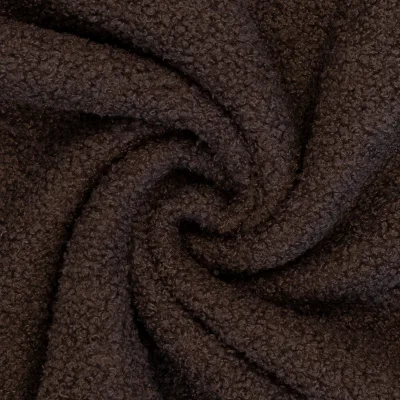
Doubleface Teddy Boucle Fleece Paddy Brown/Mud by Swafing
€9.45per 0.5 m
Unit price €18.90 / m
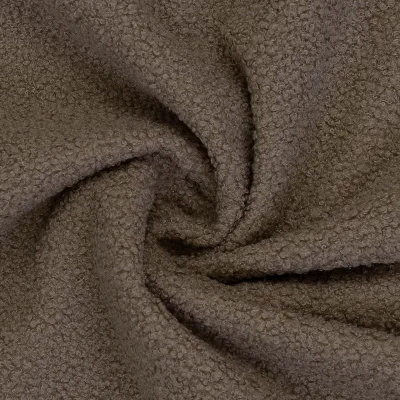
Teddy Boucle Fleece Mud by Swafing
€8.45per 0.5 m
Unit price €16.90 / m
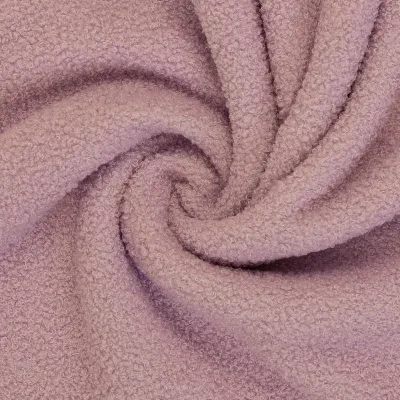
Teddy Boucle Fleece Dusty Pink by Swafing
€8.45per 0.5 m
Unit price €16.90 / m
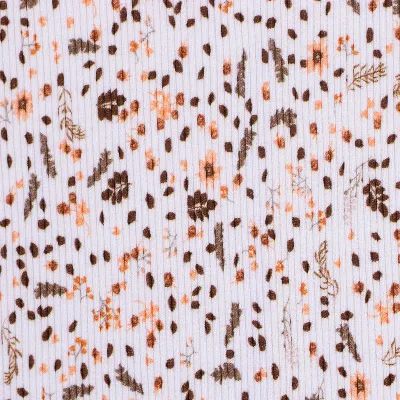
Cotton Rib Jersey Pia Ditsy Flowers on Natural White by Swafing
€8.45per 0.5 m
Unit price €16.90 / m
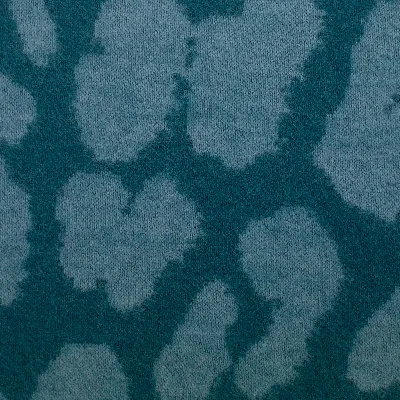
Cotton Jacquard Jersey Emily Leopard Smoke Blue on Petrol by Swafing
€9.45per 0.5 m
Unit price €18.90 / m
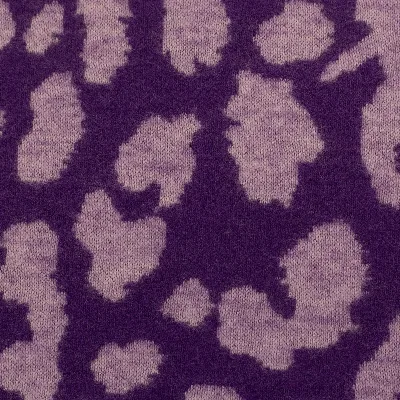
Cotton Jacquard Jersey Emily Leopard Lilac on Purple by Swafing
€9.45per 0.5 m
Unit price €18.90 / m