Working Out How Much Fabric You Need for a Dress Made Easy
Whether a dress succeeds often depends less on the pattern than on whether the fabric actually stretches far enough in the end. If you want to work out how much fabric you need for a dress, you'll need more than a rough guess in metres. The sewing pattern, fabric width, print direction, size and details such as sleeves or ruffles can easily make a difference of half a metre.
The good news: with a few clear considerations, you can plan your requirements surprisingly reliably. Especially when you order fabric by the metre, this saves you unnecessary repeat orders, frustration when cutting out and that sinking feeling that your dream project might have to turn out smaller than planned.
Calculating fabric for a dress - the 4 key factors
Before you reach for the calculator, it's worth taking a quick look at the things that genuinely affect how much fabric you'll use. Many people only go by the length of the dress. That's understandable, but in practice it doesn't go far enough.
The first factor is fabric width. A fabric that's 140 cm wide can be used quite differently from one that's 110 cm or 150 cm wide. The wider the fabric, the more likely the front, back or sleeves will fit side by side. With narrower fabric, you'll often need considerably more length.
The second point is the sewing pattern itself. A simple sleeveless shift dress needs less fabric than a maxi dress with a flared skirt, puff sleeves and a tie belt. Panel seams, a tiered skirt or a large hood also increase the amount you need.
Then there's size and size range. Small children's dresses can be laid out very efficiently. With women's patterns in larger sizes, the arrangement of the pattern pieces changes, and often the length of fabric required does too.
Don't underestimate the fabric design either. Plain fabrics are usually straightforward to cut. With stripes, checks, a large pattern repeat or directional fabrics, you need to allow more extra so that the print and drape come out right.
How to work out the amount of fabric
The safest approach is always to start from the actual sewing pattern. Good sewing patterns include a fabric requirements chart for different sizes and fabric widths. If you've already chosen a pattern, this is your first and most important guide.
If that information is missing or you're sewing without a pattern, you can use a simple rule of thumb. For a simple dress without many extras, the amount of fabric is often roughly twice the length of the dress. This rule works best for women's dresses in woven fabric of standard width. It isn't precise, but it gives you a sensible starting point.
An example: your dress is going to be 100 cm long. Around 200 cm of fabric will then often be in the right ballpark. If the dress has long sleeves, a full skirt or extra features such as flounces, you'll usually need a bit more.
With stretch fabrics such as jersey, you may use slightly less if the pattern is designed for it and the pieces fit neatly side by side. At the same time, the same applies here: with a wrap dress, a circle skirt or statement sleeves, any saving quickly disappears.
Fabric width matters more than many people think
If you want to calculate how much fabric you need for a dress, never treat the fabric width as an afterthought. It's often the reason two customers need different amounts of fabric for exactly the same dress.
At 140 to 150 cm wide, many pattern pieces can be placed side by side, which saves length. With 110 cm wide fabrics, as found with some cottons or specialist dressmaking fabrics, the front and back more often have to be laid one after the other. That pushes the amount up considerably.
So it's worth carefully comparing the fabric information in the sewing pattern with the actual width of the fabric. If the pattern assumes a width of 140 cm but the fabric you've fallen for is only 125 cm wide, the stated length may no longer be enough.
Conversely, with particularly wide fabrics you shouldn't blindly count on needing less. Some pattern pieces may only be laid in one direction, for example with velvet, corduroy or fabrics with a directional print. In that case, the extra width helps less than you might first think.
Roughly how much fabric does each type of dress need?
Of course, everyday sewing does call for some guide figures. For a simple knee-length women's dress without sleeves, you can often reckon on about 1.5 to 2 metres at a fabric width of 140 cm. A dress with short sleeves usually comes in at around 2 metres. For long sleeves, a flared skirt or a maxi dress, 2.5 to 3 metres is not unusual.
Children's dresses are more relaxed. Depending on age, fullness and sleeve style, 0.6 to 1.5 metres is often enough. Here too, though, a simple jersey dress for a toddler is something quite different from a party dress with several skirt layers.
These figures are deliberately rough guidelines. They help with initial planning but are no substitute for checking the pattern. More advanced sewing projects in particular have lots of little quirks that aren't obvious at first glance.
Extras you should definitely factor in
The main shape of the dress is only part of the calculation. Many buying mistakes happen because extra elements get forgotten. A tie belt, pocket bags, facings, cuffs or ruffles don't need huge amounts, but they add up.
Shrinkage is another issue. Natural fibres such as cotton, linen or viscose can shrink when pre-washed. If you calculate tightly and only wash after cutting out, you risk some unpleasant surprises. So it's better to wash first and, if in doubt, allow a little extra.
With patterned fabrics, you also need to think about the pattern repeat. A large floral print or bold stripes only look harmonious if you can line them up when cutting out, and for that you need some leeway. An extra half metre often makes more sense here than ending up with a dress that looks visually busy.
Should you buy just enough or a little extra?
From experience, the answer is pretty clear: buy a little extra, but don't go overboard. Ordering too little fabric usually leads to the more costly problems. Reordering doesn't always work, as colours can vary slightly or a fabric may have sold out in the meantime.
A small reserve makes particular sense if you haven't sewn many garments yet. It's often only when laying out the pattern pieces that you see how efficiently you can really cut. Beginners understandably leave a bit more space or move pieces around several times. That's completely normal.
Even so, you don't need to automatically add a whole metre. For simple dresses, an extra 10 to 20 cm is often enough. For more elaborate patterns, printed fabrics or uncertain fabric widths, you can allow a little more.
If you're planning without a sewing pattern
Some people copy a favourite dress they already own or design freely. In that case, a very practical approach helps: measure a similar garment and mentally break the calculation down into the main pieces. How long are the bodice and skirt, how wide is the hemline, and are there sleeves or flounces to add?
You can also roughly sketch the pattern pieces on paper and lay them side by side. It doesn't have to be perfect. Often it's enough to know the width and length of the largest pieces to judge whether they'll fit across the fabric width.
With freely planned projects in particular, the fabric itself is key. A soft, drapey viscose fabric behaves differently from canvas or linen. This affects not only the look but also how generously you should work when cutting out.
Common mistakes when calculating fabric
A classic is calculating without seam allowance or hem allowance. If your pattern doesn't include them, you'll naturally need a bit more room on the fabric. The difference isn't huge, but if your planning is tight, that's exactly what might be missing.
Fabric direction is just as often overlooked. With nicky velour, corduroy, towelling or velvet, all the pieces have to face the same way. Turning pieces to save fabric is then out of the question, which can increase the amount needed considerably.
Another point is lining. If you want to sew a lined dress, you'll need fabric not only for the main fabric but usually a similar amount for the lining too. This is often underestimated when shopping, because you're mentally focused on the visible fabric.
A realistic route to the right amount
If you want to plan with confidence, work in this order: first decide on the pattern or dress idea, then choose a suitable fabric, then check the fabric width, and only then work out how many metres you need. That way you avoid falling for a fabric that looks lovely for your project but is impractical in terms of width, drape or print.
This is a big advantage with a well-stocked specialist retailer like Die Stoffkönigin. You can compare fabric types, widths and uses in a targeted way and plan your project more realistically as a result, rather than buying on looks alone.
If you're torn between two amounts, go for the slightly larger one. Leftovers can often be turned into hairbands, pouches, pocket linings or children's accessories. Too little fabric, on the other hand, can rarely be creatively explained away.
In the end, your dress shouldn't just be somehow doable – you should be able to cut it out calmly. That's exactly why careful planning pays off, so that excitement doesn't suddenly turn into improvisation.
Matching categories
Matching products
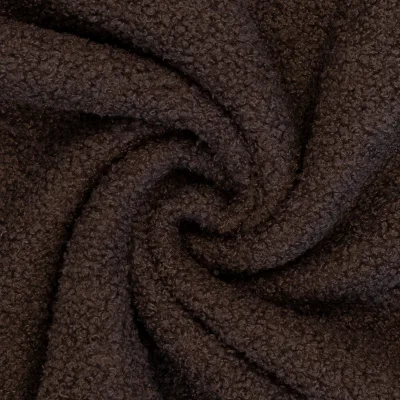
Doubleface Teddy Boucle Fleece Paddy Brown/Mud by Swafing
€9.45per 0.5 m
Unit price €18.90 / m
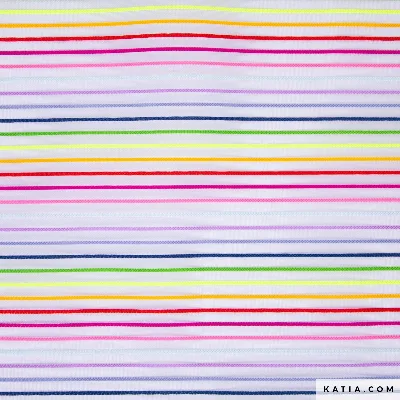
Mesh Stripes in Multicolour on White
€6.45per 0.5 m
Unit price €12.90 / m
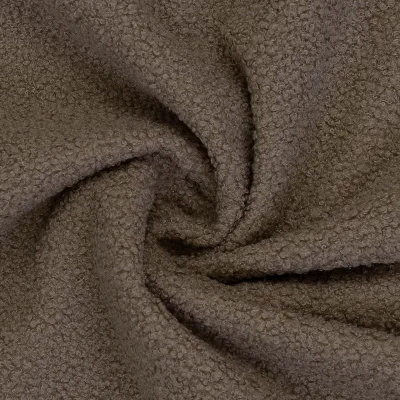
Teddy Boucle Fleece Mud by Swafing
€8.45per 0.5 m
Unit price €16.90 / m
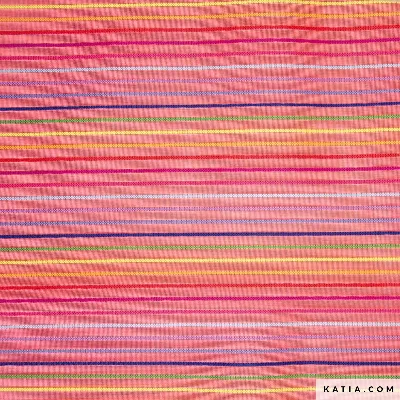
Mesh Stripes in Coral
€6.45per 0.5 m
Unit price €12.90 / m
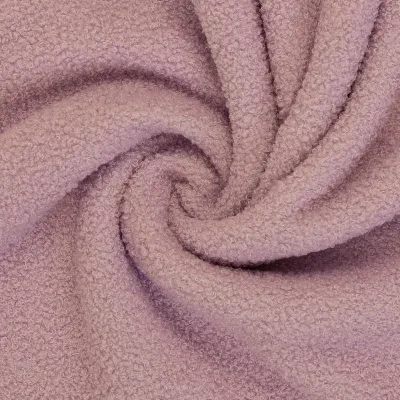
Teddy Boucle Fleece Dusty Pink by Swafing
€8.45per 0.5 m
Unit price €16.90 / m
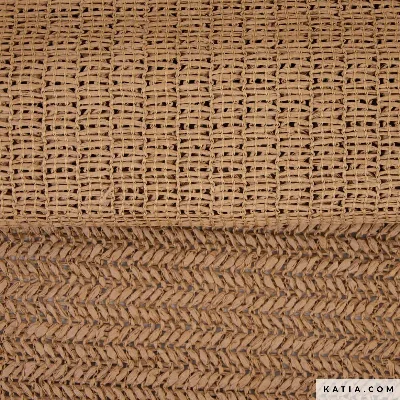
Knit Fabric in Natural
€7.95per 0.5 m
Unit price €15.90 / m