Which interfacing is really right for blouses?
A blouse can be beautifully sewn, but if the collar, cuffs or button band turn out too stiff, too floppy or rippled, the result quickly looks unfinished. The question of which interfacing suits a blouse therefore isn't answered by the sewing pattern alone. Fabric weight, drape, the shape you want and the specific part of the blouse all play a role.
With fine woven fabrics in particular, it's worth choosing your interfacing carefully before you cut. Interfacing is there to support, not to mask the character of the fabric. A softly draping viscose blouse can stay soft, while a shirt-style collar can handle a little more structure.
Which interfacing is suitable for blouses?
For many classic blouses made from cotton poplin, batiste, lightweight woven fabric or viscose, a light to medium-weight fusible interfacing is the right choice. It stabilises the areas that take the most strain without making the garment unnecessarily stiff.
As a practical guide, these properties apply:
- Lightweight interfacings suit batiste, fine cotton, viscose, Tencel and other softly draping blouse fabrics.
- Medium-weight interfacings work well for poplin, Oxford cloth, linen blends or slightly heavier shirting.
- Woven interfacings are especially lovely when you want the blouse to drape naturally while still looking beautifully finished.
- Stay tape or narrow strips of interfacing give targeted support to curves, edges and necklines.
Commonly used types include H 180 and H 200 for light to medium-weight fabrics. A woven interfacing such as G 785 is popular when collars and cuffs need to be firm but mustn't feel like cardboard. With very fine or sheer fabrics, on the other hand, restraint is key: a delicate, lightweight interfacing may be all you need – or it may be better to reinforce individual areas with a layer of fabric instead.
Good to know: Vlieseline is actually a brand name, but in everyday sewing it's often used as a catch-all term for fusible interfacing. So what really matters isn't the name, but always the handle, weight and intended use of the specific interfacing.
Fabric and interfacing have to match
One simple rule helps when choosing: as a rule, the interfacing shouldn't be heavier or noticeably firmer than the main fabric. Otherwise the blouse ends up with hard edges that can show through the softer fabric when you wear it.
For a blouse made from lightweight viscose, a firm shirt interfacing is usually too much. The collar will stand up perfectly, but the transition to the flowing fabric looks unnatural. A lightweight woven fusible interfacing supports the fabric better and keeps its movement.
With cotton poplin, the interfacing can provide a little more stability. For a classic shirt collar, crisp cuffs and a neat button band, a light to medium-weight interfacing is often just right. If you want the blouse to be relaxed and soft, go for the lighter option. For a sharp business look, it can be a little more structured.
Linen and linen blends are a special case. The fabric naturally has texture and a rather dry handle. Woven interfacings usually work better here than bulky non-woven types. They provide support without smoothing away linen's typical character.
Take extra care with sheer fabrics
With voile, chiffon, organza or very thin batiste, interfacing can show through. Pay attention not only to the weight but also to the colour. White under off-white, beige or blush pink can be very noticeable.
Sometimes it makes more sense to cut the collar stand, facing or cuff double from the main fabric and only stabilise selected spots. An interfacing that matches the colour as closely as possible is also the better choice in that case. Always test on a fabric scrap before you fuse all the pieces.
The right interfacing for collars, cuffs and button bands
Not every part of a blouse needs the same reinforcement. If you interface selectively, you'll get a blouse that's comfortable to wear and neatly finished.
Collar and collar stand
The collar needs shape but shouldn't feel bulky when worn. For a classic shirt-style blouse, a light to medium-weight woven fusible interfacing is a good starting point. It keeps the collar points lying neatly and stops the collar from collapsing.
For a softly draping revere collar or a relaxed blouse collar, a very lightweight interfacing is often enough. With particularly fine fabrics, it can make sense to reinforce only the undercollar or the collar stand. That way the upper collar stays soft and the blouse doesn't look over-engineered.
Cuffs
Cuffs get buttoned, unbuttoned and turned back, so they need more support than a simple hem. A medium-weight interfacing works well for cotton blouses and shirting. For viscose or thin linen, go for a lighter type so the cuff doesn't look stiffer than the sleeve.
If the sewing pattern calls for a very wide statement cuff, a bit more stability can make sense. Even so, try one layer first. Two layers of interfacing quickly make a cuff thick and hard to turn.
Button band and facing
The button band stops the buttonholes from stretching and the fabric from pulling between the buttons. In many blouse patterns it's reinforced with a lightweight interfacing. That's usually enough to keep the band lying flat and to let you sew neat buttonholes.
With grown-on button bands, often only the folded-back section is interfaced. With a separate facing, you can interface the whole facing. If the fabric is very soft or loosely woven, this reinforcement is almost always worthwhile. For a deliberately airy summer blouse, though, you can cut the interfacing narrower and use it only where the buttons and buttonholes sit.
Necklines, shoulders and armholes
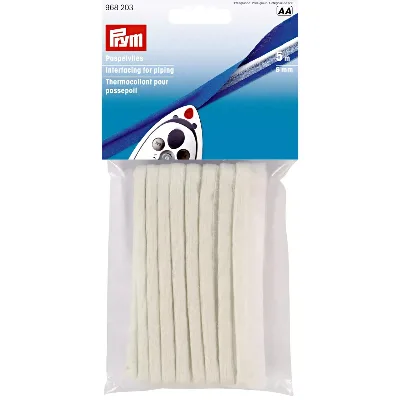
Stay tape is helpful when you don't want curves to stretch. V-necks, deep scoop necklines and bias edges benefit from it in particular. The tape is fused along the seam line and stabilises without stiffening the whole area.
Shoulder seams can also use some support in very soft or stretchy woven fabrics. A narrow strip of interfacing stops the shoulder from stretching out over time. It's a small step with a big impact on the fit.
How to test interfacing before you sew
A test sample saves fabric and frustration. Cut a piece of main fabric and a piece of interfacing slightly larger than the finished cut edge will be. Fuse the interfacing according to the manufacturer's instructions and let everything cool completely. Only then will you see the final handle.
Feel the fabric, fold it and hold it up to the light. If the surface looks smooth, the fabric still moves and the adhesive doesn't show through, you're on the right track. If you get bubbles, ripples or a noticeably stiff handle, choose a lighter type or adjust the temperature, pressure and pressing time.
With delicate fabrics, a pressing cloth protects against shiny patches. Don't slide the iron back and forth – press it down section by section instead. Afterwards, let the piece cool lying flat so the bond can set firmly.
Common mistakes with blouse interfacing
The classic one is an interfacing that's too firm because you want the collar or cuff to look especially neat. It looks convincing on the cutting table, but once you wear the blouse it loses its lovely drape. If in doubt, go one weight lighter.
Just as problematic is choosing an interfacing purely by colour. A matching colour matters for light and sheer fabrics, but it tells you nothing about stability and handle. Check both together.
Pre-washing is also easily overlooked. If you pre-wash your blouse fabric, the interfacing should be prepared accordingly too, if the manufacturer recommends it. That reduces the risk of the fabric and interfacing reacting differently after the first wash.
For a blouse that's comfortable to wear and stays looking good for a long time, the interfacing shouldn't draw attention to itself. Its job is to support the collar, button band and cuffs in the background. If you're unsure about fabric and interfacing, take a fabric swatch with you to your local fabric shop or compare several test samples at home at your leisure – it's exactly this bit of preparation that often turns a nice blouse into a really successful one.
Matching categories
Matching products
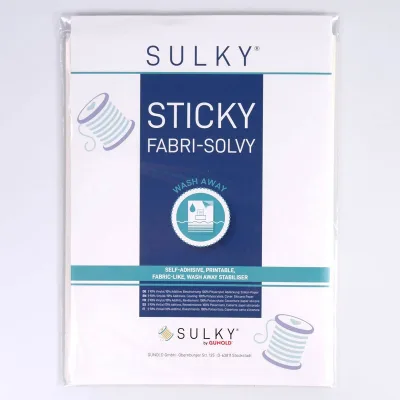
Sulky Sticky Fabri-Solvy 12 sheets 21.5 × 28 cm in White
€24.50per piece
Unit price €34.03 / m²
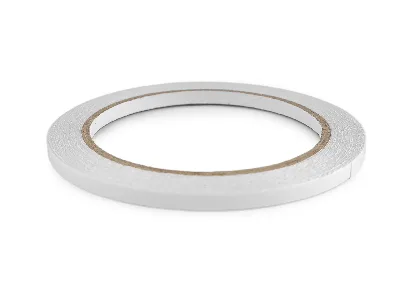
Double-Sided Fabric Tape, 5 mm, 18 m
€6.90per piece
Unit price €0.38 / m
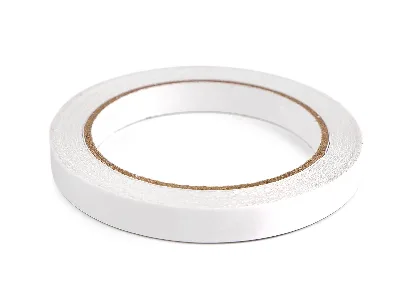
Double-Sided Fabric Tape, 12 mm, 18 m
€10.90per piece
Unit price €0.61 / m
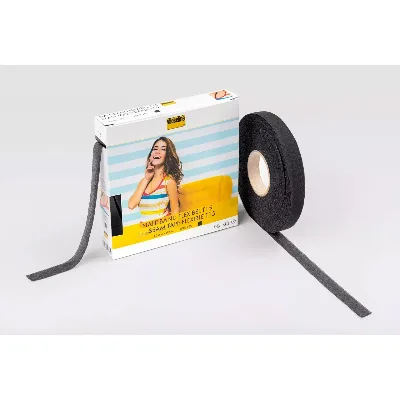
Vlieseline hemming tape T15 15mm in Black
€0.68per 0.5 m
Unit price €1.35 / m
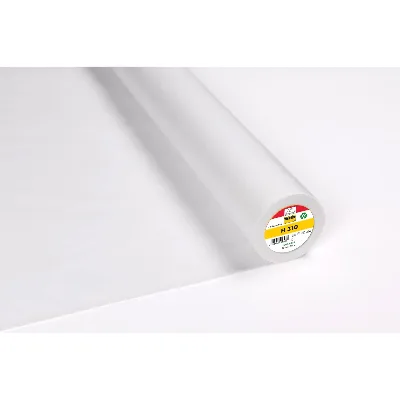
Vlieseline fusible interfacing H310 in White
€4.75per 0.5 m
Unit price €9.50 / m
Prym hemming tape in White
€11.50per piece