Online fabric advice: how to choose the right fabric

A sewing pattern can be as beautiful as you like, but if the fabric doesn't suit it, your planned favourite blouse can quickly turn into a stiff top. Your cosy trousers can become a project that ends up in a corner after the first wash. This is exactly where online fabric advice helps. It makes sense of terms like fabric weight, drape and stretch, and it makes choosing safer even when you can't hold the fabric in your hands.
When you're shopping online, it pays to look at your sewing project first and choose the fabric afterwards. Should a T-shirt move comfortably with you? Does the bag need to stand up on its own? Will the children's jacket face rain, mud and lots of washes in everyday life? If you answer these questions before you buy, you'll find a material more quickly. It won't just look good in the photo. It will also work well when you sew it and wear it.
Online fabric advice starts with your sewing project
The most important starting point isn't the colour but what the piece will be used for. A breezy summer dress usually needs a soft, drapey fabric such as viscose, muslin or a lightweight cotton. A sturdy shopping bag, on the other hand, calls for canvas, home décor fabric or coated cotton. For comfy leggings or a children's T-shirt, stretchy jersey is the obvious choice.
Sewing patterns often include a fabric recommendation. It's a helpful guide, but it isn't a hard-and-fast rule. If it says jersey, any substitute should also have enough stretch. A woven fabric without stretch noticeably changes the fit and freedom of movement. If a firm fabric is recommended for a coat, a thin viscose will be too soft and won't hold the intended shape.
So keep an eye on three properties that go hand in hand: how heavy is the fabric, how does it drape and how much does it stretch? The weight in grams per square metre gives you a rough idea of how substantial it is. But it doesn't tell you everything. Two fabrics of similar weight can feel completely different because of their weave, fibre content and surface.
Stretchy or stable?
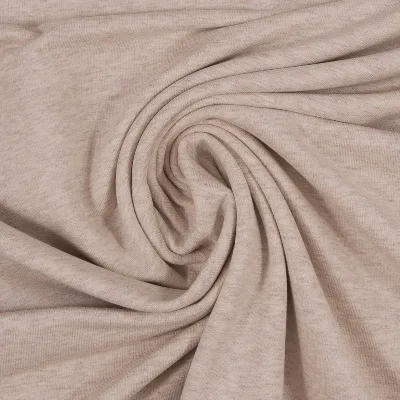
With knit fabrics such as jersey, French terry, sweatshirt fabric or ribbing, stretch is key. Jersey is wonderful for close-fitting clothes, T-shirts, beanies and baby sets. French terry is a little heavier and works well for long-sleeved tops, dresses and light hoodies. Brushed sweatshirt fabric and fleece are warmer. Depending on the quality, they can be bulkier and change how a pattern looks.
Woven fabrics such as cotton, poplin, canvas or muslin usually have very little stretch. In return, they're ideal for blouses, fuller skirts, harem trousers, bedding, fabric storage baskets, bags and patchwork. If a sewing pattern includes ease for movement, a woven fabric can be just right. For a close-fitting top, though, it will be uncomfortable unless you adjust the pattern.
Good advice therefore doesn't just ask ‘What would you like to sew?’ It also asks ‘How should the finished piece fit?’ Loose, fitted, structured or flowing? The answer often narrows down the choice more than the print on the fabric does.
How to recognise the right fabric quality
Product photos show prints and colours, but they can't fully show you how a fabric feels or drapes. That makes detailed product descriptions all the more valuable. Fibre content, width, weight, care instructions and sewing notes all help you plan realistically.
Cotton is a versatile classic. It's comfortable, easy care and suits lots of projects. Pure cotton woven fabric usually looks crisp and holds its shape, while cotton jersey gains flexibility from added elastane. Viscose drapes softly and feels especially pleasant against the skin. It may need a little more care when cutting and sewing. It's excellent for blouses, dresses and full, swishy skirts when you want a flowing result.
Outdoor and everyday projects call for different properties. Softshell protects against wind and light rain and is popular for jackets, puddle suits and hard-wearing clothes. Raincoat fabrics are waterproof or water-repellent depending on the type. They need suitable needles and thread, and the seams often need careful finishing. For bags, seat cushions or home décor that gets heavy use, canvas and sturdy home décor fabrics are good candidates.
Care also plays a part in choosing fabric. A baby bib, a school cone or a sofa cushion has different requirements from a scarf for special occasions. Before you buy, check whether the material can be washed at the temperature you want and whether it can go in the tumble dryer. Natural fibres can shrink. It's best to prewash fabric for clothing before cutting, in the same way you plan to wash the finished piece.
Choosing colours and prints with confidence
Colours on screen can look lighter, darker or warmer depending on your display. If you're buying a large amount of fabric, it's worth not deciding based on a single photo. Extra product views and close-up images help you plan a coordinated look. It also helps to think about how the fabric will go with fabrics or ribbing you already have.
Children's clothes in particular can be colourful. Even so, it's handy to pair a printed main fabric with one or two plain coordinating fabrics. Matching ribbing, a plain pocket lining or a simple lining fabric gives the project a harmonious look. For adult clothing, skin undertone, the occasion and the style of the garment often decide whether a colour will actually get worn.
Prints also affect how much fabric you need. Large repeats, stripes, checks or directional motifs have to be lined up properly when you cut. That can mean you need more fabric than the pattern states. With stripes, it's also worth deciding whether they should run horizontally or vertically, or be deliberately set against each other. That's not a mistake but a design choice, and it's best made before you order.
How much fabric do you really need?
The fabric requirement in the sewing pattern is the best place to start. Add a little extra for large prints, long sizes, deep hems or possible cutting mistakes. Bags also need lining, reinforcement and possibly webbing. Clothing often needs ribbing or interfacing as well.
Small projects are a good reason not to buy too much straight away. If you're sewing a headband, a beanie, appliqués or pocket linings, you can work with small amounts. Fabric sold by the metre from 20 cm is especially handy if you want to try out colours or add a specific coordinating fabric. For a large project, it's better to order the full amount in one piece so that the colour and print come from the same batch.
What to tell us for personal advice
The more precisely you describe your project, the more specific the fabric recommendation can be. A photo of the sewing pattern, or at least of its fabric recommendation, is helpful. Beyond that, the planned size, what the piece will be used for and your preferred colour are usually enough. If you've already picked out notions such as a zip, ribbing or lining fabric, mention those too.
These four pieces of information make the advice especially accurate:
- What would you like to sew, and who is it for?
- Which sewing pattern or measurements are you using?
- Should the fabric be stretchy, warm, water-repellent or especially easy care?
- Which colours, prints or existing coordinating fabrics should be taken into account?
If you're new to sewing, feel free to say so when you're looking for an easy-to-handle material. A fabric can be gorgeous and still be unnecessarily tricky for a first project. Slippery viscose, very fine fabrics or coated materials take a bit of practice. Cotton woven fabric or good-quality jersey are often rewarding choices for many first projects.
That's why at Die Stoffkönigin the focus isn't only on which fabric you like. What really matters is which fabric suits your project, your skills and the way the finished piece will be used day to day. Sometimes the best choice is the easy coordinating fabric rather than the eye-catching favourite print. Sometimes a simple sewing pattern needs exactly that special fabric to become a true one-off.
If you're torn between two fabric qualities, don't just plan for your time at the sewing machine. Picture how the piece will be worn, washed and used. This small change of perspective makes choosing fabric clearer, so you can turn your idea into your next sewing project with confidence.
Matching categories
Matching products
Baumwolljersey Natural White
€7.45per 0.5 m
Unit price €14.90 / m
Woven viscose, black
€6.45per 0.5 m
Unit price €12.90 / m
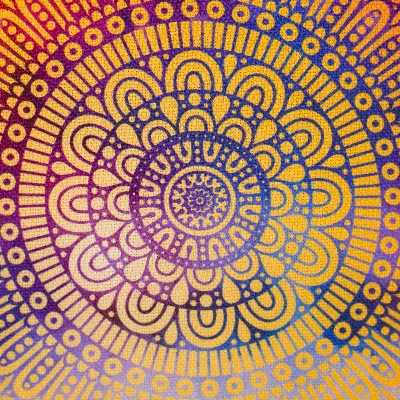
Canvas Doha Mandalas Pink/Purple by Swafing
€7.45per 0.5 m
Unit price €14.90 / m
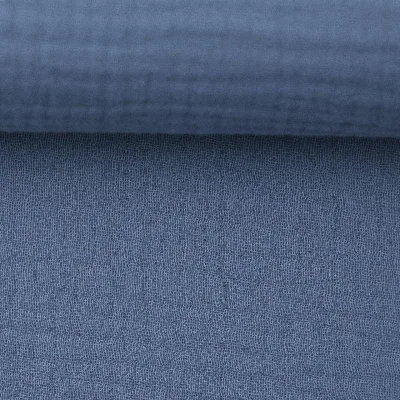
Muslin Double Gauze Jenke Plain Smoke Blue
€5.45per 0.5 m
Unit price €10.90 / m
Swafing Maike French Terry Naturweiß 009
€6.95per 0.5 m
Unit price €13.90 / m
Swafing Heike Fine Rib Ribbing Naturweiß 009
€4.75per 0.5 m
Unit price €9.50 / m