How to Order Fabric by the Metre Online – Getting It Right
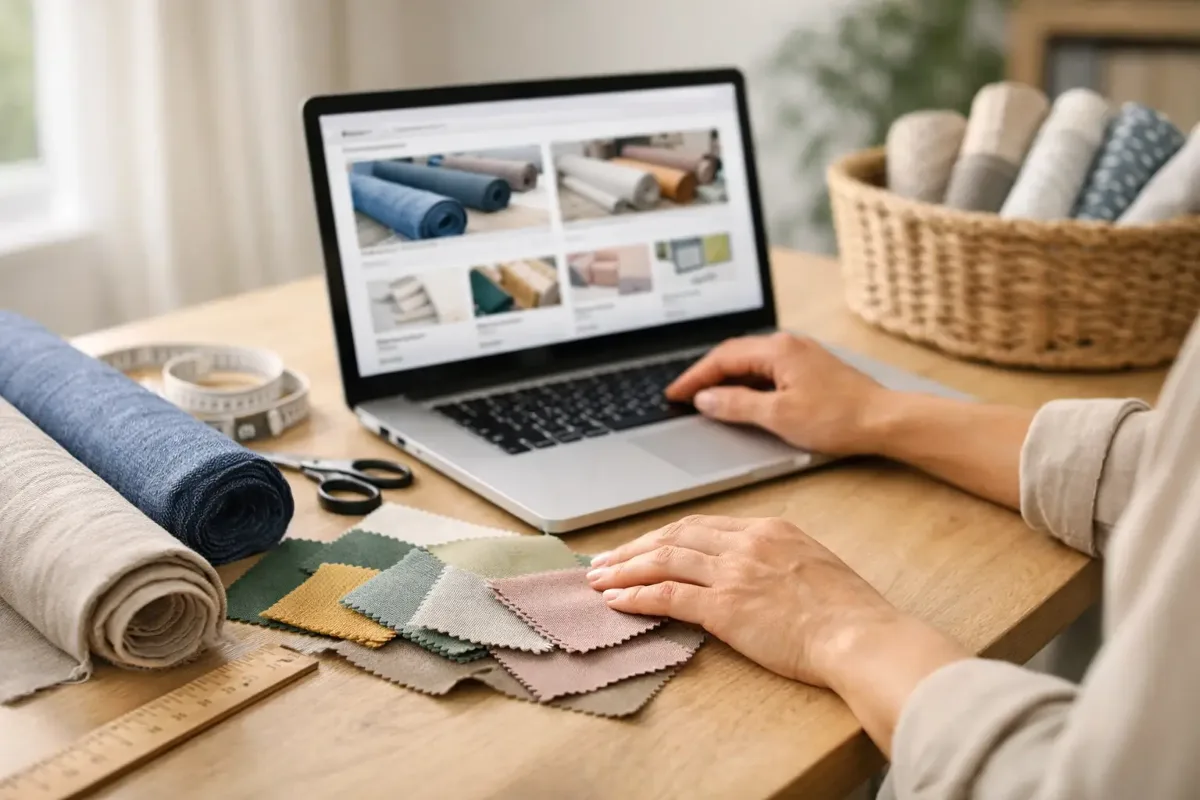
A children's hoodie, a summer dress or new cushion covers often start with the same question: how much fabric do I actually need – and is the material really right for the project? If you want to order fabric by the metre online sensibly, you don't need complicated rules. With a clear eye on how the fabric will be used, its properties and the cutting layout, you can shop very precisely from your own sewing table.
The big advantage of buying online is the choice: you can compare colours, prints and qualities at your leisure. At the same time, a product photo is no substitute for touching the fabric. That's why it pays to look closely at the material description, weight, width and care instructions. That way, a lovely fabric idea becomes a project that's pleasant to sew, comfortable to wear and a joy for a long time.
Choose the project first, then the fabric
The fabric shouldn't just look nice – it should suit what you have in mind. For a close-fitting top or comfy leggings, you'll usually need a stretchy fabric such as jersey. For a sturdy bag, a rucksack or decorative storage baskets, canvas or heavier cotton fabrics are often the better choice. An airy dress drapes differently in viscose than in a woven fabric, while softshell and raincoat fabric are designed for garments that need to stand up better to wind and wet.
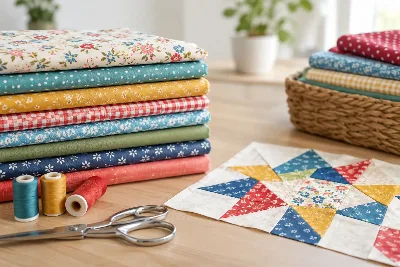
With printed fabrics in particular, how you'll use them is crucial. A large-scale motif looks completely different on a girl's dress, a cushion or a bag than on a small baby top. On small pattern pieces, large motifs can easily end up cut off. If you want to avoid this, choose a smaller print or allow a little extra fabric for cutting.
The season can also help you decide. Sweatshirt fabric and French terry are popular choices for hoodies, harem trousers and cosy dresses. Muslin is light, soft and lovely for scarves, blouses or summer clothing. Fleece keeps you warm, and ribbing gives a neat finish to hems, necklines and sleeves. There's rarely one single best fabric – what matters is what your project needs to do.
Reading fabric type, weight and drape correctly
When buying online, the material details are especially valuable. The composition tells you whether a fabric is mainly cotton, viscose, polyester or a blend. It affects how the fabric feels to wear, how to care for it and how it behaves when sewing. Cotton jersey is usually pleasantly soft and easy to work with for tops or children's clothing. Viscose often feels more fluid but can need a little more attention when cutting.
The fabric weight in grams per square metre helps you gauge how substantial a fabric is. A lightweight fabric isn't automatically worse – it's simply made for different projects than a heavy quality. For opaque trousers, sturdy bags or upholstery covers, something firmer is usually best. For airy blouses, scarves and summer dresses, a light drape is often just right.
Also look out for terms such as stretchy, two-way stretch, soft drape, brushed, water-repellent or coated. These details tell you more about practical use than a photo alone. If you're unsure, personal advice is especially helpful: a little information about the sewing pattern and the planned project is often enough to narrow down the choice of fabric considerably.
Ordering fabric by the metre online: planning the right quantity
Too little fabric is frustrating, because a matching top-up order isn't always possible with dye lots or popular designs. But there's no need to order far too generously either. The best starting point is always the fabric requirement given in the sewing pattern. It often states not only the length needed but also which fabric width that figure applies to.
Many fabrics come in different widths. A sewing pattern that assumes a fabric width of 140 centimetres may need considerably more length with a narrower fabric. Not every pattern piece can be rotated, shifted or laid crosswise at will. With pile, stripes, directional prints or fabrics with a motif running in one direction, you need to pay particular attention to the cutting direction.
A small reserve makes sense if you're working with a fabric for the first time, want to place a print precisely or plan to wash the fabric before sewing. For children's clothing, an extra 20 or 30 centimetres is sometimes enough to work without stress. For a printed skirt, a dress with a large pattern repeat or a bag with several outer panels, the extra allowance can be a little more generous.
A low minimum order is handy. If you really only need a small amount for a headband, a doll's skirt, a little pouch or ribbing, you don't have to buy a whole metre straight away. Fabric sold from 20 centimetres opens up lots of possibilities, especially for coordinating fabrics and small projects.
Don't forget seam allowances, shrinkage and pattern repeat
The quantity given in a sewing pattern usually only applies if you stick to the specified sizes and details. A lengthened tunic, wider sleeves, a hood, pockets or a tie belt all need extra material. With patterns you've drafted yourself, always include seam and hem allowances.
Natural fibres can shrink in the first wash. If you're sewing clothing, bed linen or frequently used home textiles, it's best to pre-wash the fabric. Base this on the care instructions for the finished item. For something that will regularly be washed at 40 degrees, the fabric should be pre-treated accordingly.
A pattern repeat is the distance after which a print repeats itself. With large flowers, animal motifs, panels or stripes, you may need more fabric to place the front and back nicely. This isn't a detail just for perfectionists – it makes a visible difference in the end.
Judging colours and prints realistically
Screens display colours differently. Daylight, screen brightness and individual settings can make a fabric look warmer, cooler or more vivid than it will when it arrives. If a colour needs to match an existing garment, a piece of furniture or a ribbing exactly, it's wise to be cautious.
For important colour combinations, it helps not to go by the name alone. “Berry”, “dusky pink” or “petrol” can look very different depending on the fabric quality. Read the product description carefully and compare the images if there are several views. For a gift or a project with fixed coordinating fabrics, a small test order can be the more relaxed solution.
Prints also need a little distance. A lively digital print can look wonderful, but on a pattern with lots of panel seams it can quickly become busy. In that case, pair it with a calm plain fabric. Conversely, a simple sewing pattern can gain its special character from bold stripes, spots or flowers.
Think about the right haberdashery from the start
A project rarely fails because of the fabric alone. If the matching ribbing, the right zip or suitable thread is missing, the cut pieces often end up sitting around. That's why it's worth taking a quick look at everything you'll need to finish the project. For stretch fabrics, a jersey needle can be important; for very fine or coated materials, a suitable specialist needle.
Interfacing, elastic, cords, snap fasteners or pocket lining should also be planned in early. Not every notion has to be exactly the same shade. With zips, cords and ribbing, a deliberate contrast can actually look really lovely. What matters is that function and material weight go together.
If you're working with a PDF sewing pattern, remember to print it at actual size. A correctly printed pattern saves time, taping and possible mistakes when piecing it together. With larger patterns especially, this is a real help.
When advice makes the difference
Some projects are straightforward: jersey for a T-shirt, ribbing for the finish, done. With others, it's worth asking. That applies, for example, to jacket fabrics, lined bags, special embroidery projects or garments made from very fluid fabrics. Even if you're torn between two types of fabric or a sewing pattern doesn't give a clear material recommendation, an expert eye can help you avoid buying the wrong thing.
At Die Stoffkönigin, a wide selection and personal support go hand in hand. Whether you order online or pop into the shop in Neumarkt: briefly describe what you'd like to sew, which size you're planning and whether the fabric should be stretchy, warm, easy-care or particularly hard-wearing. That makes the advice specific and tailored to your project.
Before ordering, it's a good idea to lay your sewing pattern next to the fabric description once more. When material, width, quantity and haberdashery all fit together, the anticipation can begin – because the most beautiful fabric is the one you don't just admire, but soon enjoy sewing with.
Matching categories
Matching products
Cotton Jersey Forest Animals Forest Animals on Light Beige by Swafing
€8.45per 0.5 m
Unit price €16.90 / m
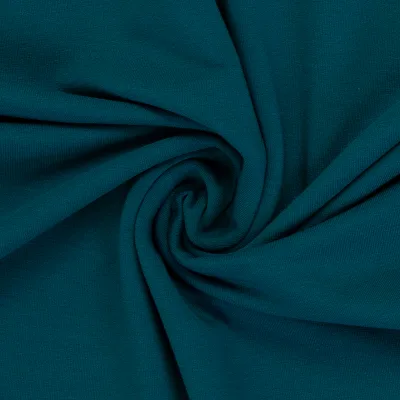
Swafing Maike French Terry Petrol 750
€6.95per 0.5 m
Unit price €13.90 / m
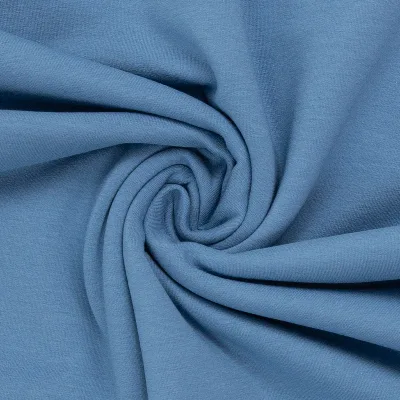
Swafing Eike Brushed Sweat Rauchblau 258
€7.95per 0.5 m
Unit price €15.90 / m
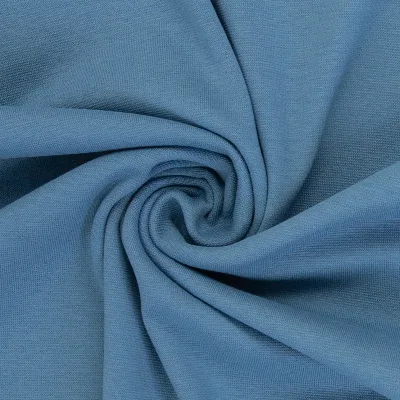
Swafing Heike Fine Rib Ribbing Rauchblau 258
€4.75per 0.5 m
Unit price €9.50 / m
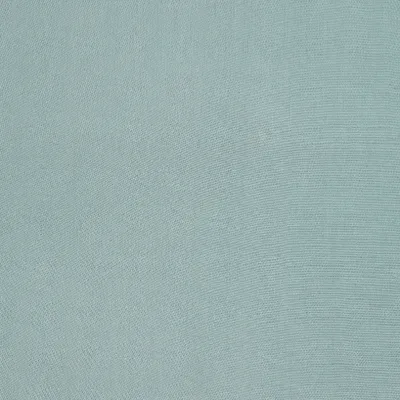
Woven viscose, sage green
€6.45per 0.5 m
Unit price €12.90 / m
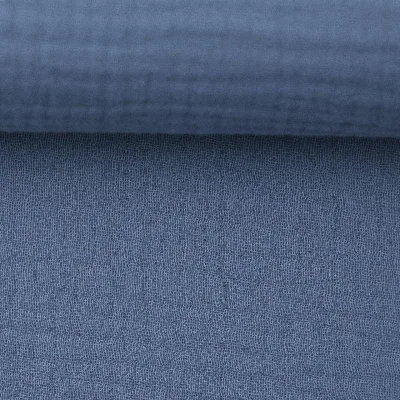
Muslin Double Gauze Jenke Plain Smoke Blue
€5.45per 0.5 m
Unit price €10.90 / m