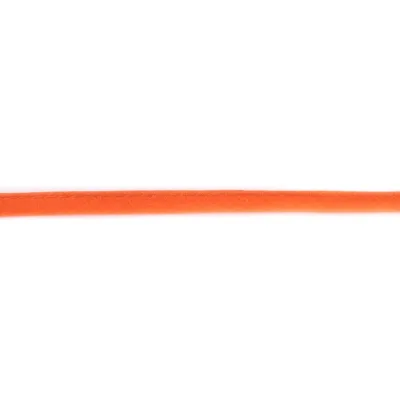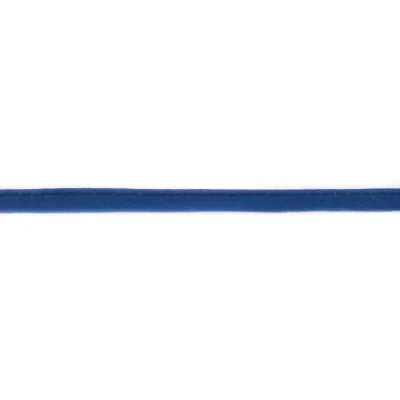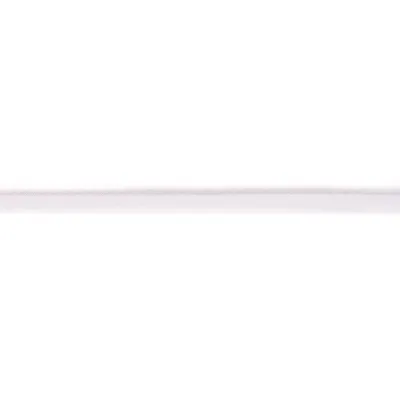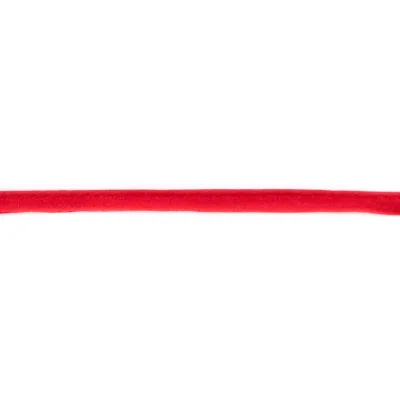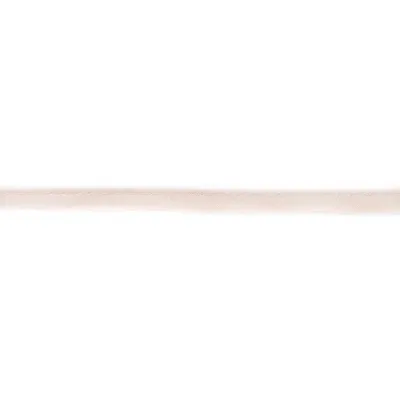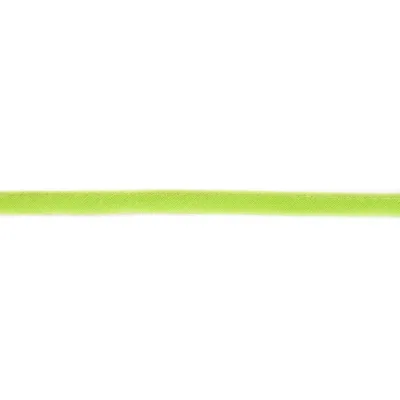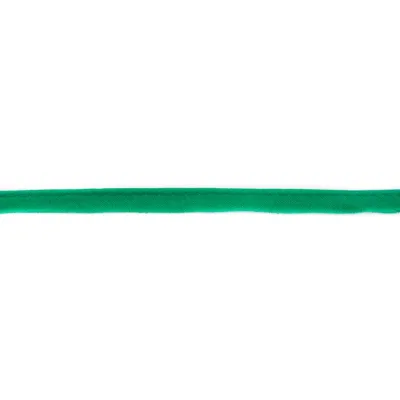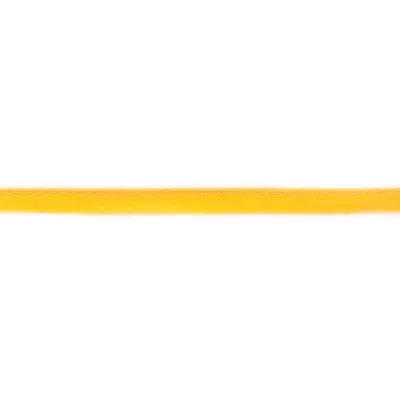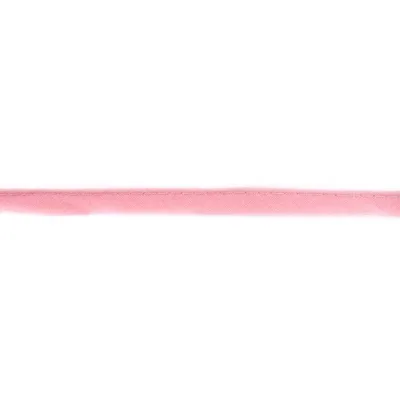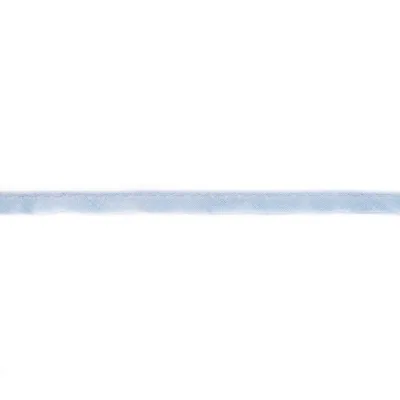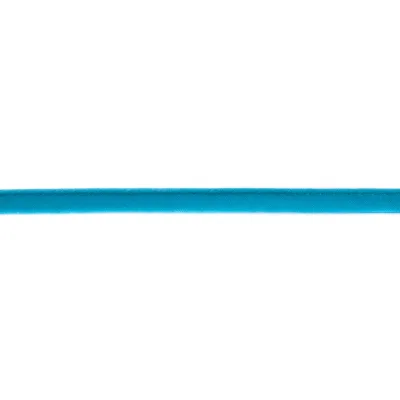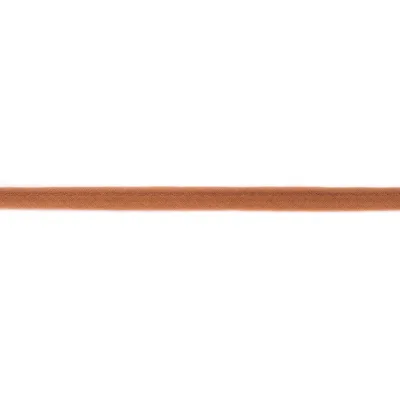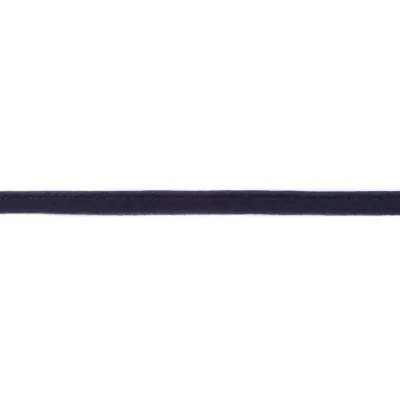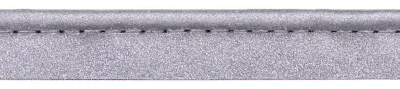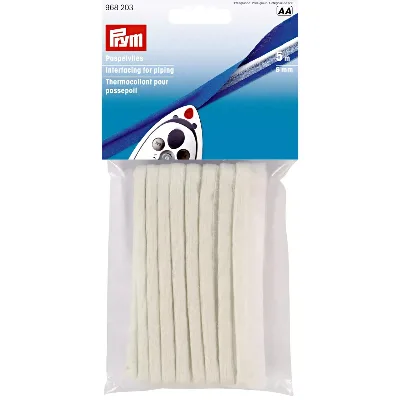
Prym hemming tape in White
€11.50per piece
Free shipping within Germany from €50 · Pay securely with PayPal and Klarna

Firm piping has a stable cord inside a woven strip. It holds its shape and draws a clean, straight line – the right choice for cushions, bags, upholstery work and clothing made from woven fabric.
€11.50per piece
€0.55per 0.5 m
Unit price €1.10 / m
€0.55per 0.5 m
Unit price €1.10 / m
€0.55per 0.5 m
Unit price €1.10 / m
€0.55per 0.5 m
Unit price €1.10 / m
€0.55per 0.5 m
Unit price €1.10 / m
€0.55per 0.5 m
Unit price €1.10 / m
€0.55per 0.5 m
Unit price €1.10 / m
€0.55per 0.5 m
Unit price €1.10 / m
€0.55per 0.5 m
Unit price €1.10 / m
€0.55per 0.5 m
Unit price €1.10 / m
€0.55per 0.5 m
Unit price €1.10 / m
€0.55per 0.5 m
Unit price €1.10 / m
€0.55per 0.5 m
Unit price €1.10 / m
€0.55per 0.5 m
Unit price €1.10 / m
€0.55per 0.5 m
Unit price €1.10 / m
€1.35per 0.5 m
Unit price €2.70 / m
Because the tape does not stretch, the edge stays exactly where you put it. That is crucial in upholstery and on cushion covers, where a crooked piping shows immediately.
On curves the firm tape needs help. Clip the seam allowance at short intervals almost up to the cord, and the tape settles neatly into the curve.
To close a ring, overlap both ends, pull the cord out of one end and fold the empty fabric over. That gives a flat transition instead of a lump.
Sew with a zipper or piping foot. The closer the seam runs to the cord, the more evenly the piping shows afterwards.
Overlap the ends, pull the cord out of one end and wrap the empty fabric around the other. The transition stays flat and is barely noticeable.
Clip the seam allowance at short intervals almost up to the cord. The tape can then fan out and settles into the curve without wrinkles.
Better not. It blocks the stretch and the seam tears under strain. For knitted fabric, reach for elastic piping instead.