Buying sewing supplies: what you really need

If you want to buy sewing supplies, you're often faced not with a small shelf but with a whole world of tools. Zips sit next to interfacing, thread in countless colours next to needle assortments – and then there's the question of what you actually need for your own project, and what only ends up in your sewing basket because it looked useful at first glance. This is exactly where it pays to take a clear look at the project, the fabric and your own everyday sewing.
Many bad buys happen not because the supplies are poor, but because they don't suit the project. A jersey needle helps with stretchy fabrics, but not necessarily with coated cotton. A lovely thread is quickly found, but if weight, material and intended use don't match, excitement soon turns into frustration. Sewing supplies are best bought not on gut feeling alone, but with a few simple ground rules.
Buying sewing supplies always starts with the project
Whether it's a children's T-shirt, a make-up bag, a curtain or a softshell jacket – every project has different requirements. For garments made from jersey you need different needles, different thread and often different notions than for bags made from canvas or cotton home décor. Defining the project first saves money and avoids unnecessary duplicate purchases.
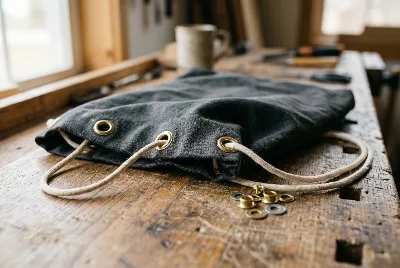
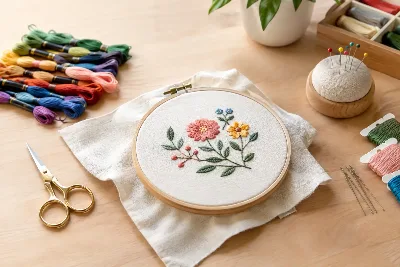
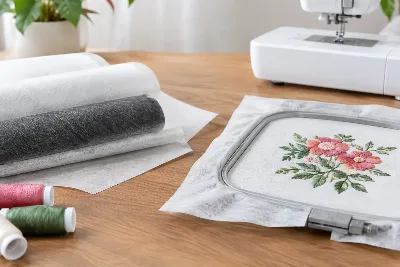
With clothing, what matters most is neat seams, comfort when wearing and suitable fastenings. Here, needles, thread, interfacing, elastic and, where needed, ribbing play a bigger role. With bags or accessories, stability matters more. That's when interfacing, heavier threads, cords, webbing, bag clasps or zips come into play. Embroidery and decorative work, on the other hand, often call for embroidery stabiliser, embroidery thread or special tools that are hardly ever needed in everyday sewing.
Even if you just want to "stock up" in general, you shouldn't buy indiscriminately. A well-chosen basic kit makes sense. Three different pairs of specialist scissors for a first sewing project, probably not.
Which basics are really worth buying
Beginners don't need an overflowing kit, but a few things make sewing much easier. These include good universal needles in several sizes, matching sewing thread, fabric scissors, pins or clips, a tape measure, a marking tool and a seam ripper. That may sound unexciting, but in everyday sewing these are exactly the supplies you use all the time.
Depending on the project, you can add zips, buttons, elastic, bias binding or interfacing. Interfacing in particular deserves a close look. Too soft, and the project loses its shape. Too stiff, and the fabric looks unnatural or is hard to work with. Especially for pocket flaps, facings, collars or cuffs, the right reinforcement is often more crucial than many people think.
Quality pays off with thread, too. Cheap thread sheds lint more often, breaks more easily or causes uneven seams. That doesn't mean you always need the most expensive product. But a solid, evenly made thread often saves your nerves – and ultimately time as well.
Recognising quality without having to try everything
When you're buying sewing supplies, you'll often wonder how to recognise good quality in the first place. With needles, it usually shows in smooth stitching, fewer skipped stitches and a longer lifespan. If your machine suddenly skips stitches or the fabric gets damaged, the cause is quite often an unsuitable or worn needle.
With zips, the teeth, tape and slider should be neatly finished. A zip that already snags before you sew it in rarely gets any better later. With buttons and press studs, everyday practicality matters above all, alongside looks. Children's clothing has different requirements from a decorative cushion.
Interfacings and stabilisers should be chosen clearly according to their intended use. Light, medium or firm isn't just a sales detail – it affects drape, stability and handling. If you're unsure, advice often helps more than three bad buys. Especially with a wide range, it's a big advantage when products aren't just sold but also explained in terms of what they're meant for.
Buying sewing supplies as a beginner – smart rather than complete
Many beginners start out thinking they need "everything" first. That's understandable, but rarely necessary. It makes more sense to build up your kit project by project. If you begin with simple cotton projects, you don't need a big selection of specialist needles, bag hardware or extensive embroidery supplies to start with.
A small basic kit that you can use flexibly is helpful. This includes universal needles, all-purpose thread in standard colours, fabric clips or pins, tailor's chalk or a marking pen, scissors, a seam ripper and a simple interfacing for light to medium-weight fabrics. With these, you can already tackle many first projects successfully.
Specialist supplies should be added when you really need them. That's not only cheaper but also keeps things tidier. Buying step by step helps you learn more quickly which supplies suit your sewing style. Some people prefer clips to pins, others swear by particular tape measures or rotary cutters. That develops with practice.
For more experienced sewists, fine-tuning is what counts
As you gain experience, you choose sewing supplies more deliberately. It's no longer just about whether something basically works, but about how neat, durable or comfortable the result will be. The difference between a stretch needle and a jersey needle, between different interfacings or between open-ended and closed-end zips then becomes relevant.
Small details become more important too. Which thread is suitable for visible topstitching? Which interfacing supports a softly draping viscose without stiffening it? Which needle makes sense for softshell so the material isn't put under unnecessary strain? This is where a well-stocked range proves its worth – one that offers not just standard supplies but also suitable solutions for special fabrics and applications.
Especially if you regularly sew clothing, children's projects, bags or home textiles, it's worth matching fabric and supplies from a single source. That saves searching and makes planning your projects much more relaxed.
Buy sewing supplies online or choose them in store?
Both have their advantages. Online, the selection is often especially large, and you can compare at your leisure what suits your project. That's handy when you know exactly what you need, or when you want to put together fabrics, sewing patterns and supplies in one go.
In store, on the other hand, being able to touch and feel things is a real plus. You can compare colours side by side, feel how firm an interfacing is and ask specific questions if you're unsure. Especially when it comes to colour shades, material weights or choosing suitable extras, personal advice is often worth its weight in gold.
A specialist retailer with both a shop and an online store combines the best of both worlds. You can get inspired, restock exactly what you need or get support with your questions, without having to compromise on choice. At Die Stoffkönigin, many customers value precisely this mix of a personal touch, a wide range and practical guidance.
Typical bad buys when shopping for sewing supplies
A common mistake is buying on looks rather than function. A beautiful button is quickly found, but if the size, weight or way it attaches isn't right, even the best colour won't help much. It's similar with zips. Length, whether it's open-ended and intended use all need to be right, otherwise sewing it in becomes unnecessarily complicated.
Stockpiling without a specific need also often leads to drawers full of odds and ends that never end up being used. Of course it's practical to have the basics at home. But ten metres of special elastic or several packs of very specialised fastenings only pay off if you sew those kinds of projects regularly.
Another issue is the wrong combination of fabric and supplies. Lightweight viscose with interfacing that's too heavy, stretchy jersey with the wrong needle, or outdoor fabrics with standard supplies that can't cope with the demands – combinations like these cost time and sometimes the whole project.
How to plan your shopping sensibly
The easiest way is a short project list. What fabric are you sewing, how much wear will the finished piece need to withstand, which fastenings or reinforcements are needed and which tools do you already have? These four questions alone bring a lot of clarity.
Then you can choose your supplies in a targeted way. A T-shirt usually needs fewer extra items than a bag. For children's clothing, washable, hard-wearing solutions are often more important than decorative details. And for gifts or seasonal projects, it's worth putting together colours and materials early so that everything looks cohesive in the end.
Planning fabric, supplies and sewing pattern together usually makes for more relaxed sewing. That's especially true when you only need small quantities, or when you don't want a project to fall through for want of one little item.
Good sewing supplies won't automatically turn a project into a masterpiece. But they make your work go more smoothly, help materials work together better and ensure the result brings you joy for longer. If you shop with your project in mind rather than at random, your supplies stop being an afterthought and become a reliable part of your creative success.
Matching categories
Matching products
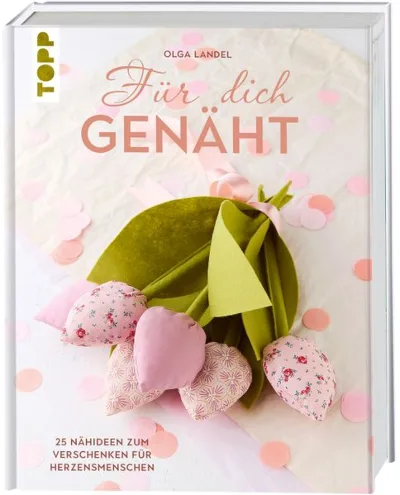
TOPP Book: Sewn as a Gift
€22.00per piece
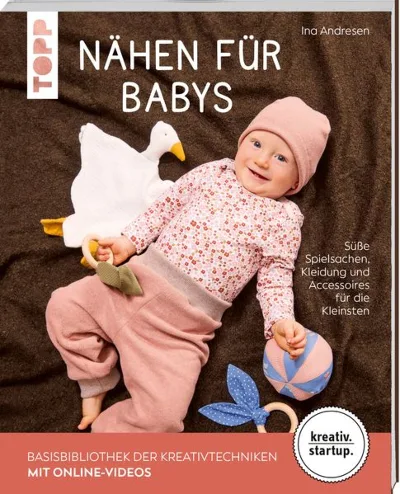
TOPP Book: Sewing Projects Babies Will Love
€12.99per piece
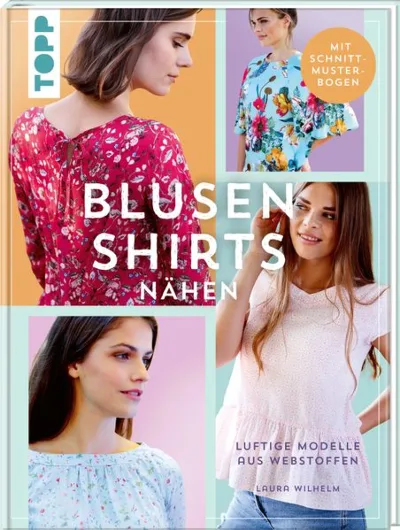
TOPP Book: Sewing Blouse Tops
€22.00per piece
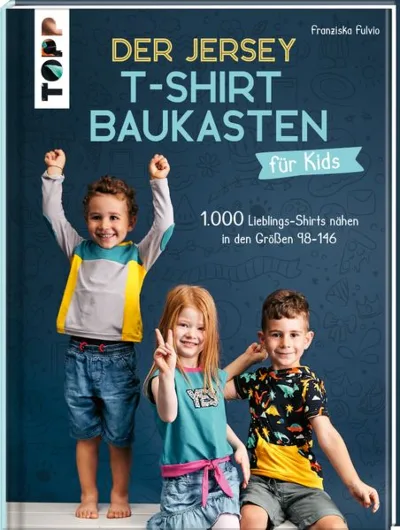
TOPP Book: The Jersey T-Shirt Kit for Kids
€22.00per piece
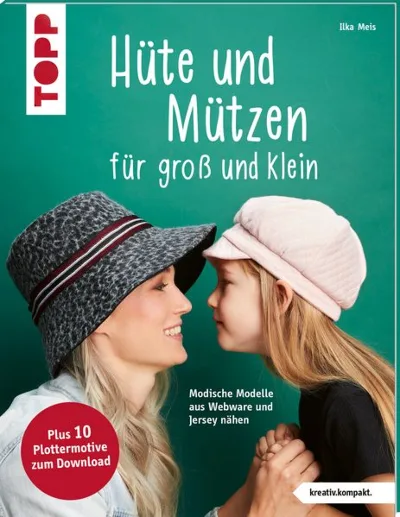
TOPP Book: Sewing Hats and Caps for Young and Old
€10.00per piece
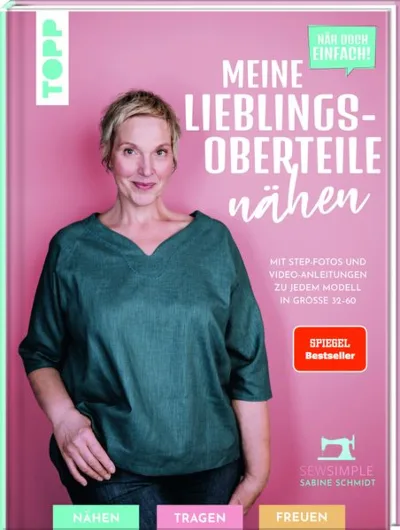
TOPP Book: Just Sew It! My Favourite Tops
€24.00per piece