


 Sewing Techniques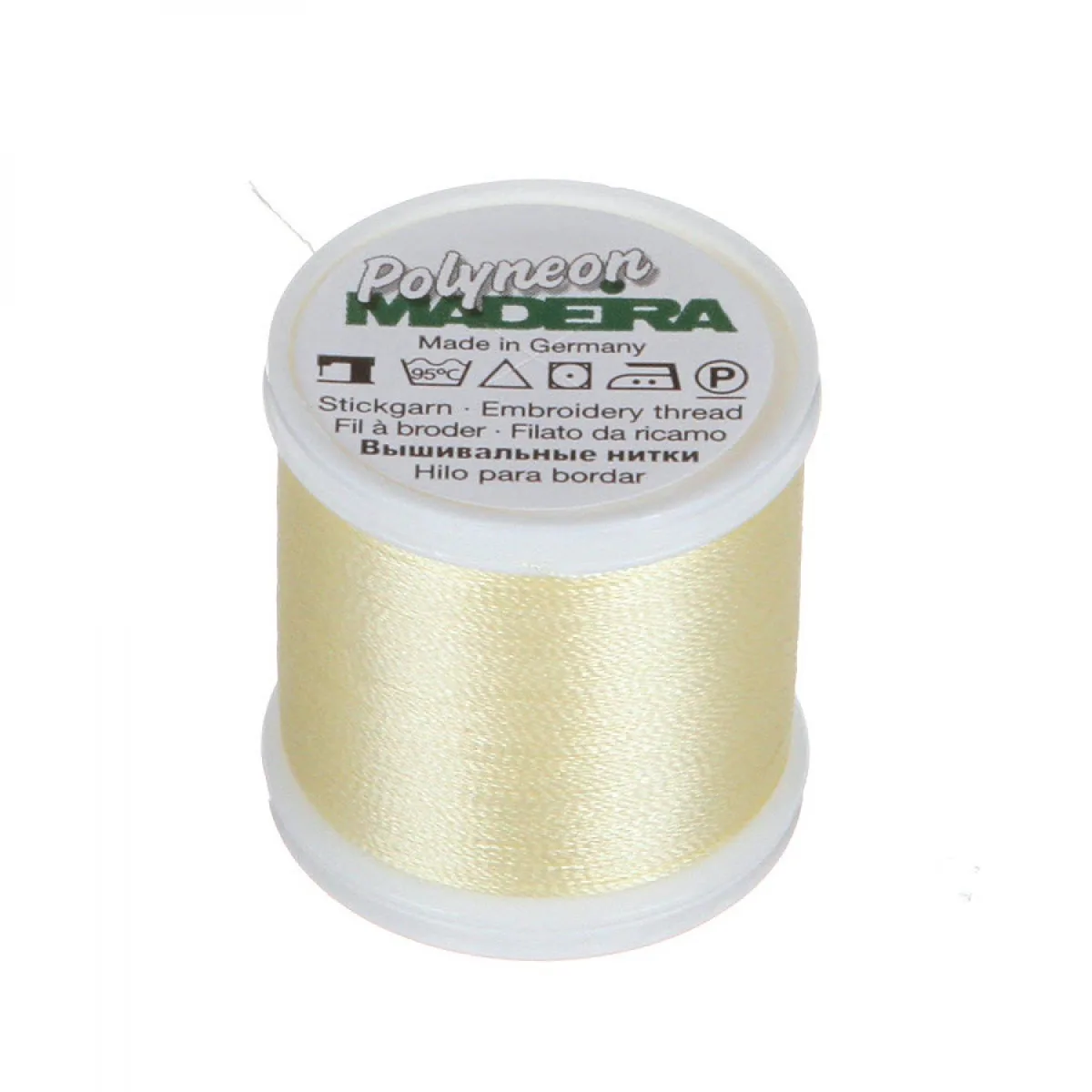
Madeira Polyneon series · 60 colours
Madeira Polyneon Embroidery Thread 400 m Sand
Item no. 22454
€3.65per piece
Unit price €0.01 / m · incl. VAT, plus shipping
A glossy Madeira embroidery thread in Sand. Each spool holds 400 m of polyester at weight 40, colour code 1666. The spool is sold singly. Suitable for embroidery machines and decorative stitches.
Colour: Sand (1666)
in stock
Delivery time approx. 3–5 working days
Free shipping within Germany from €50
- Material
- 100 % Polyethylen
- Colour
- Sand
- Pattern
- Uni
- Care
- wash
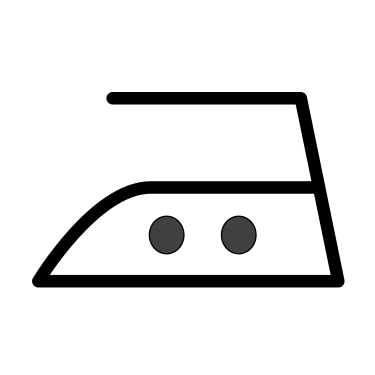 Iron at medium temperature
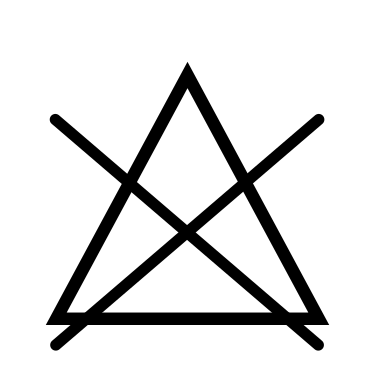 Wash without fabric softener or bleach
 Tumble dry low temperature (gentle)
- Länge (m)
- 400 m
- Farbcode
- 1666
- Manufacturer
- Madeira
Description
The tone Sand belongs to the natural shades: soft, warm and without signal value. Seams disappear into it by themselves. 400 m, weight 40, colour code 1666: three figures worth more in a project book than any colour description. A fine bobbin thread belongs in the case, not this same embroidery thread.
Because this thread resists chlorine, a design holds up on swimwear and workwear washed aggressively. Madeira supplies Polyneon in a palette you can add to over years. The colour code on the spool makes every tone findable again.
What Madeira Polyneon Embroidery Thread 400 m Sand is suitable for
- monograms and lettering
- quilting stitches as a design element
- labelling bags and gym sacks
Sewing tips
- Die Oberfadenspannung beim Sticken lockerer stellen als beim Nähen.
- Ein dünnes Untergarn als Unterfaden nehmen, nicht dasselbe Polyneon.
- Ein Fadennetz über der Spule verhindert, dass sich der Faden in Schlaufen legt.
- Nadelstärke 75 oder 80 mit Stickspitze reicht für die meisten Stoffe.
- Bei dichten Motiven langsamer sticken, sonst erhitzt der Faden und reißt.
- Die Farbnummer ist die Identität des Tons — sie gehört ins Projektheft.
Available in more colours in the Madeira Polyneon series.
Care instructions:
Frequently asked questions
What do I do when the thread breaks?
Usually your machine runs too fast or the tension is too tight. Slow down, loosen the tension and check the thread path. A net over the spool keeps the feed calm.
What is the colour code for?
It is the identity of this colour. With it you reorder the same tone years later, while comparing on a screen or from memory almost always misses.
May I iron over the embroidery?
Best from the reverse and with a cloth between. Polyester takes heat, but direct heat flattens the stitches and robs a design of its relief.
Does this thread shed lint?
Polyester sheds hardly any lint, unlike cotton thread. Even so, dust gathers in the hook area over time. Brushing it out monthly keeps your machine clean and stitching even.

